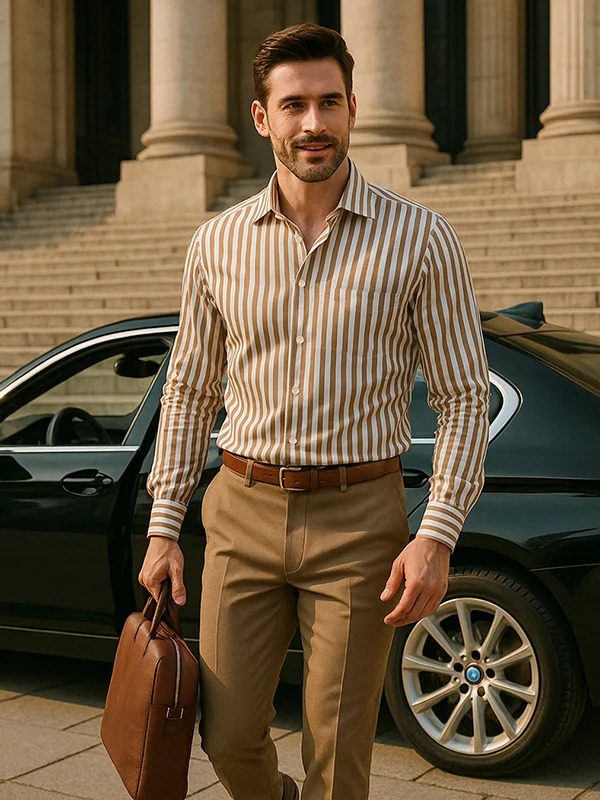
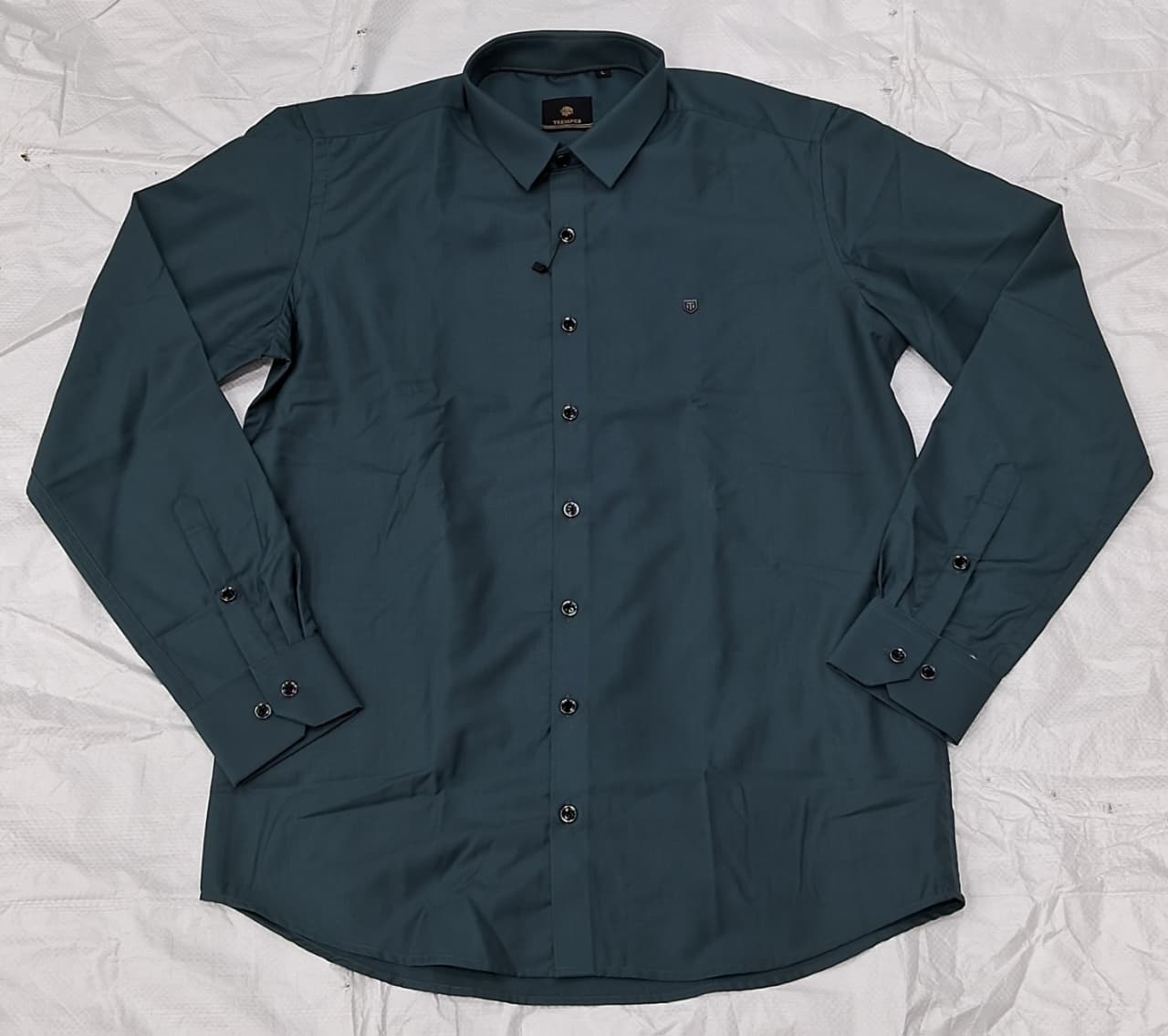
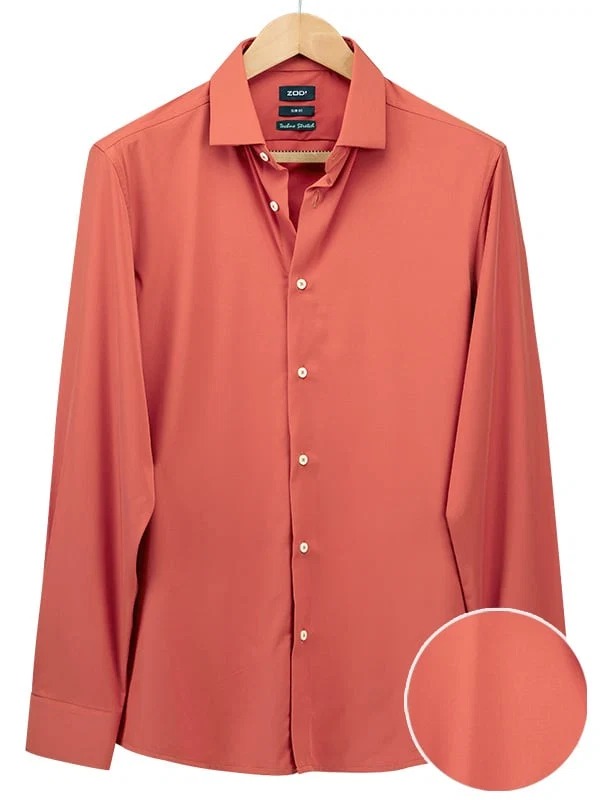
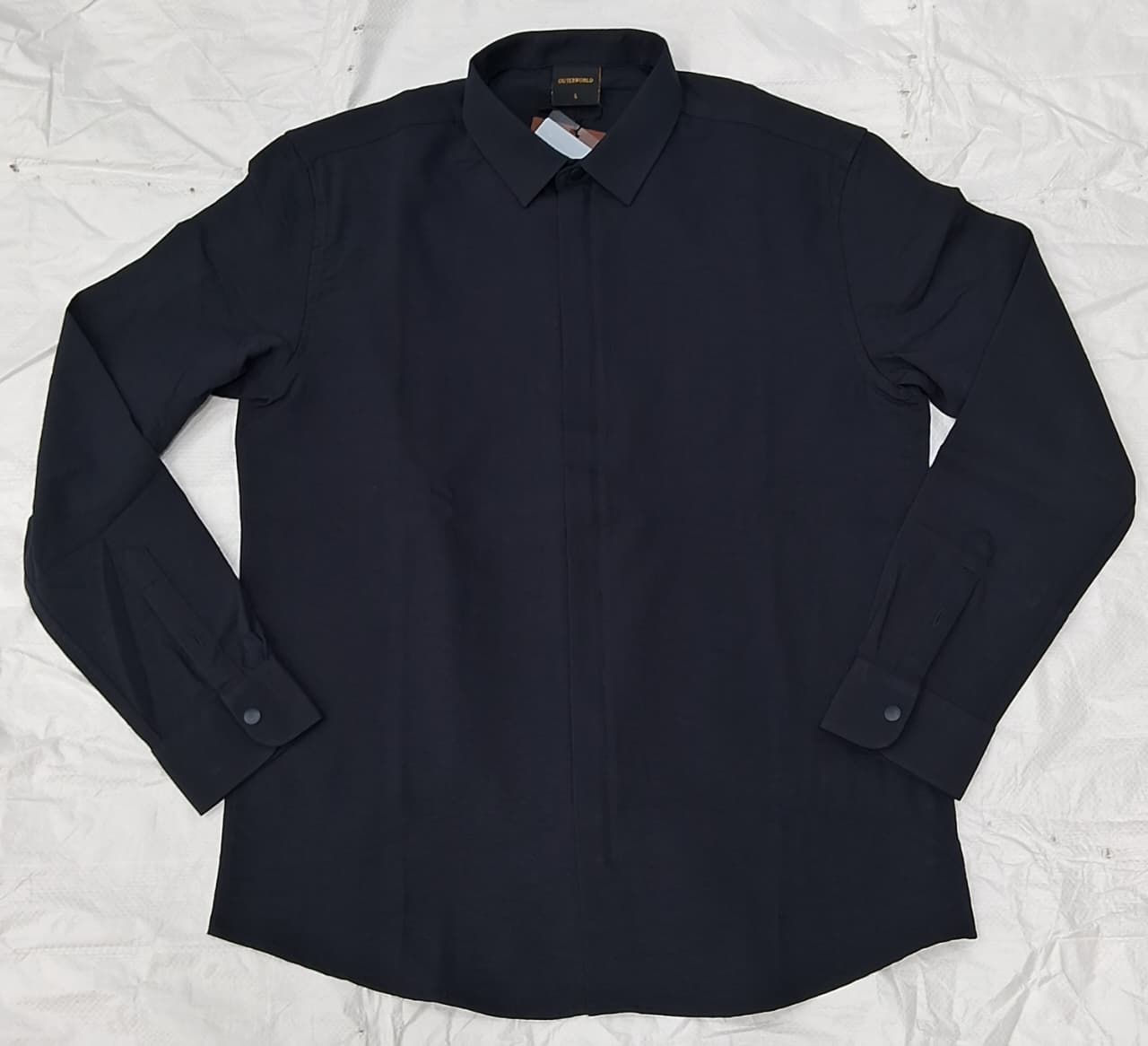
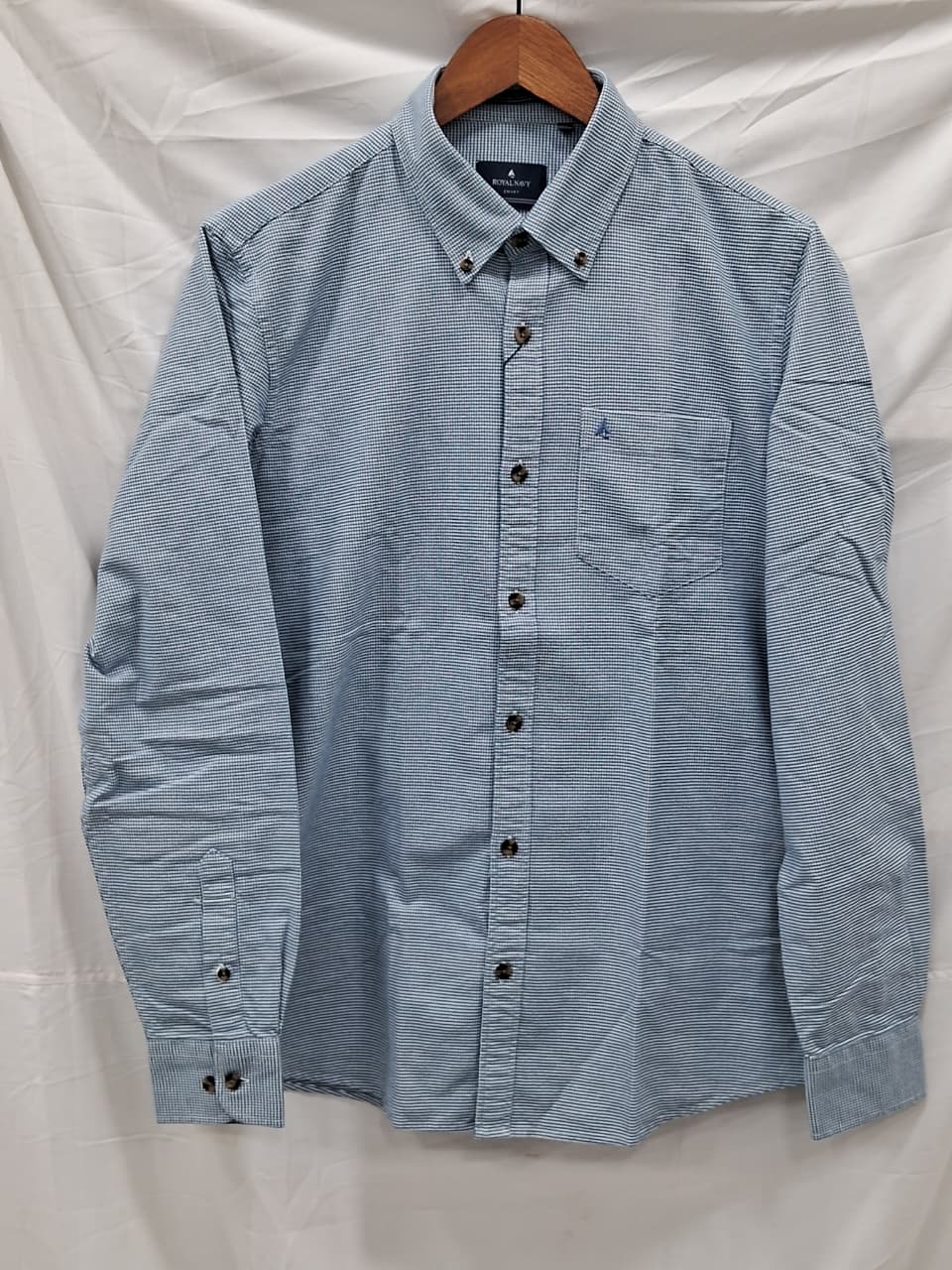
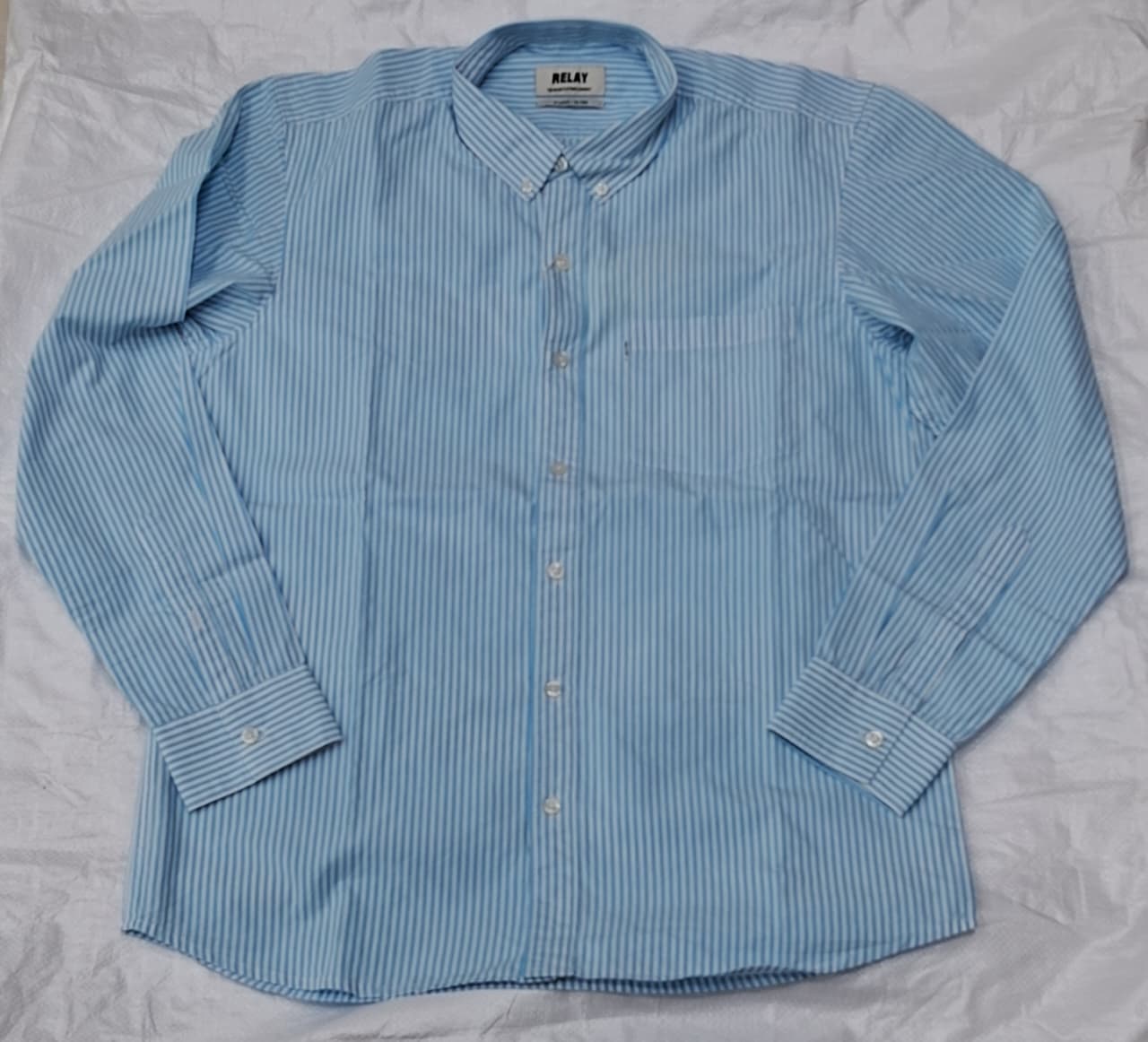
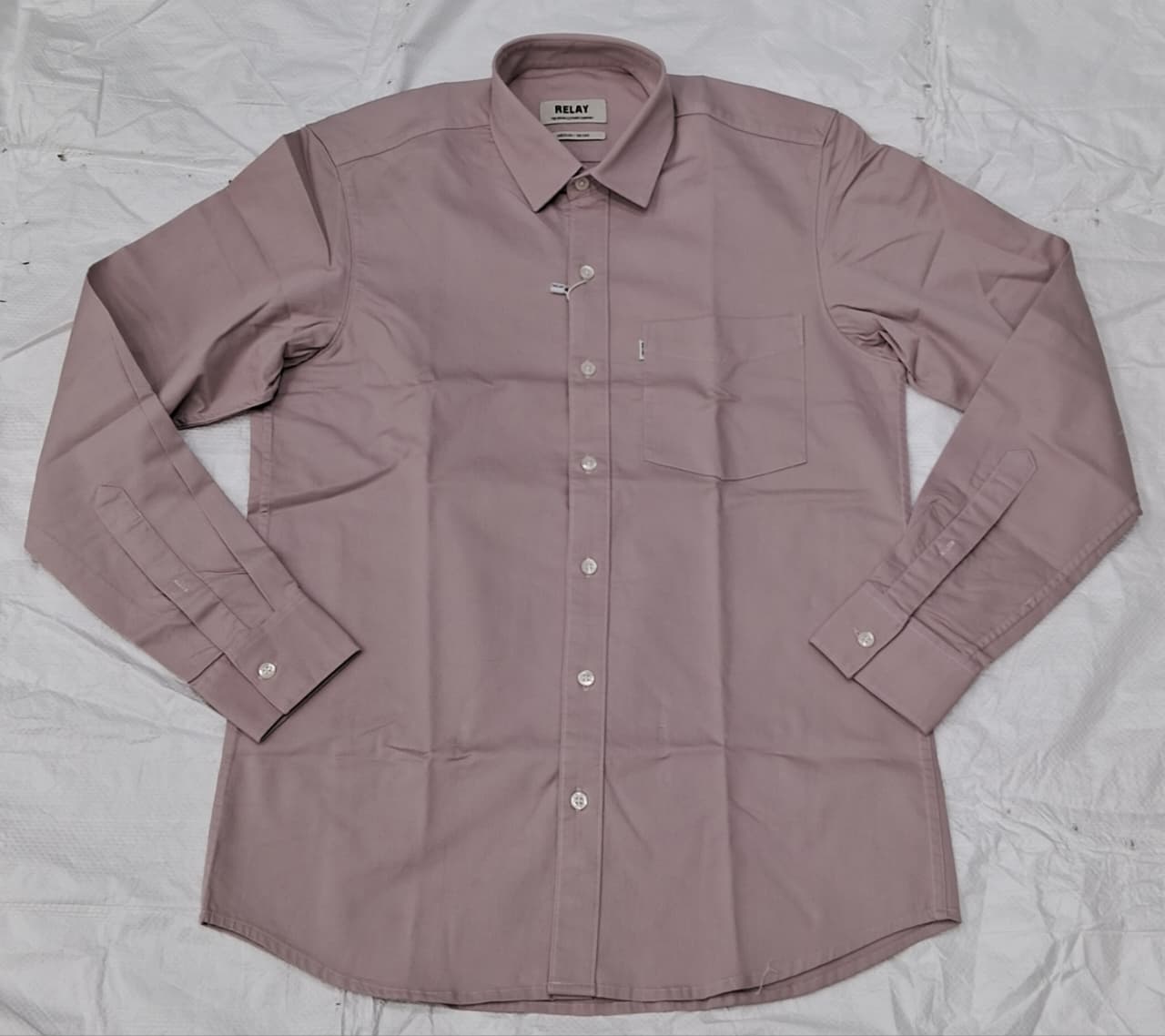
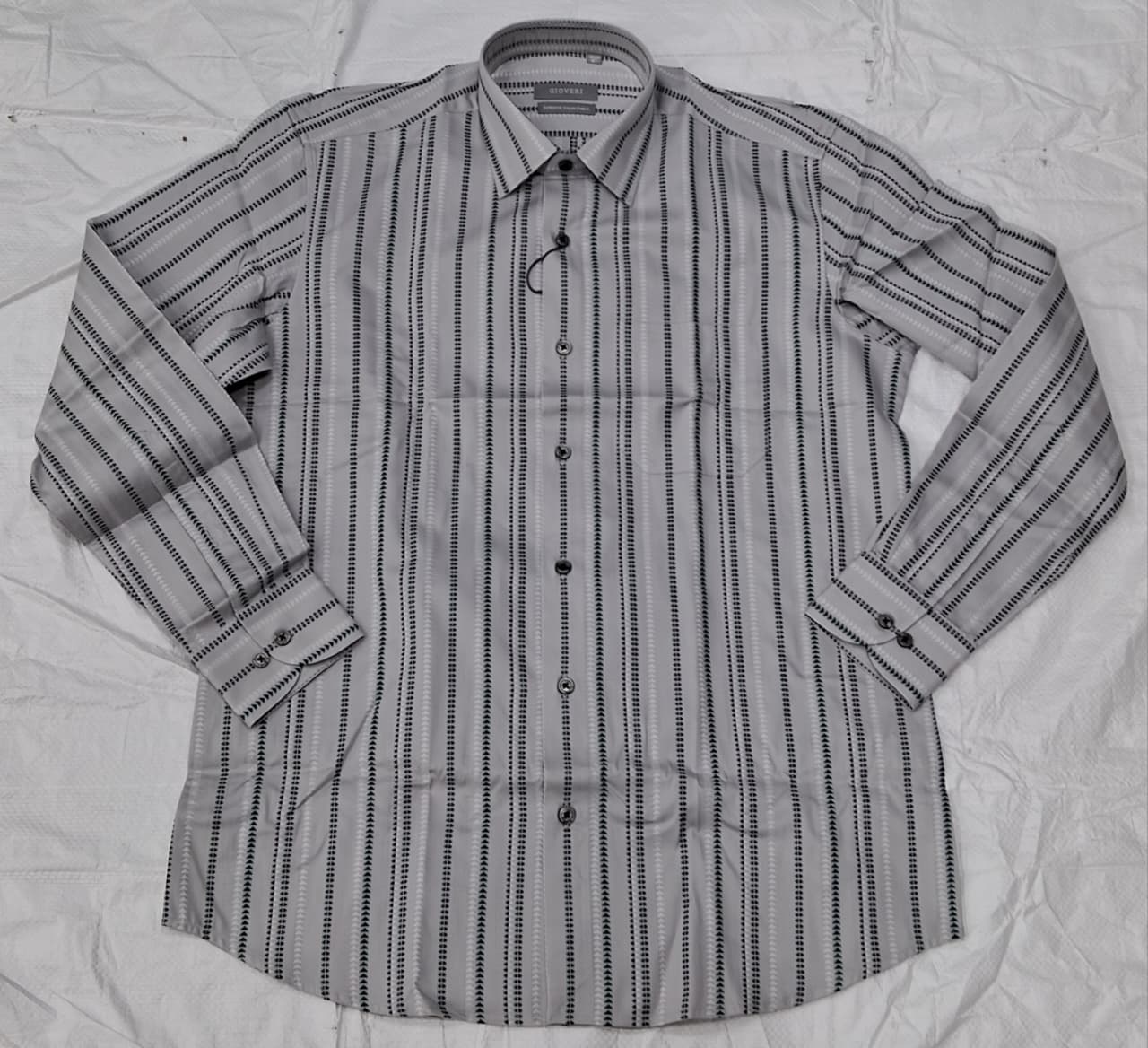
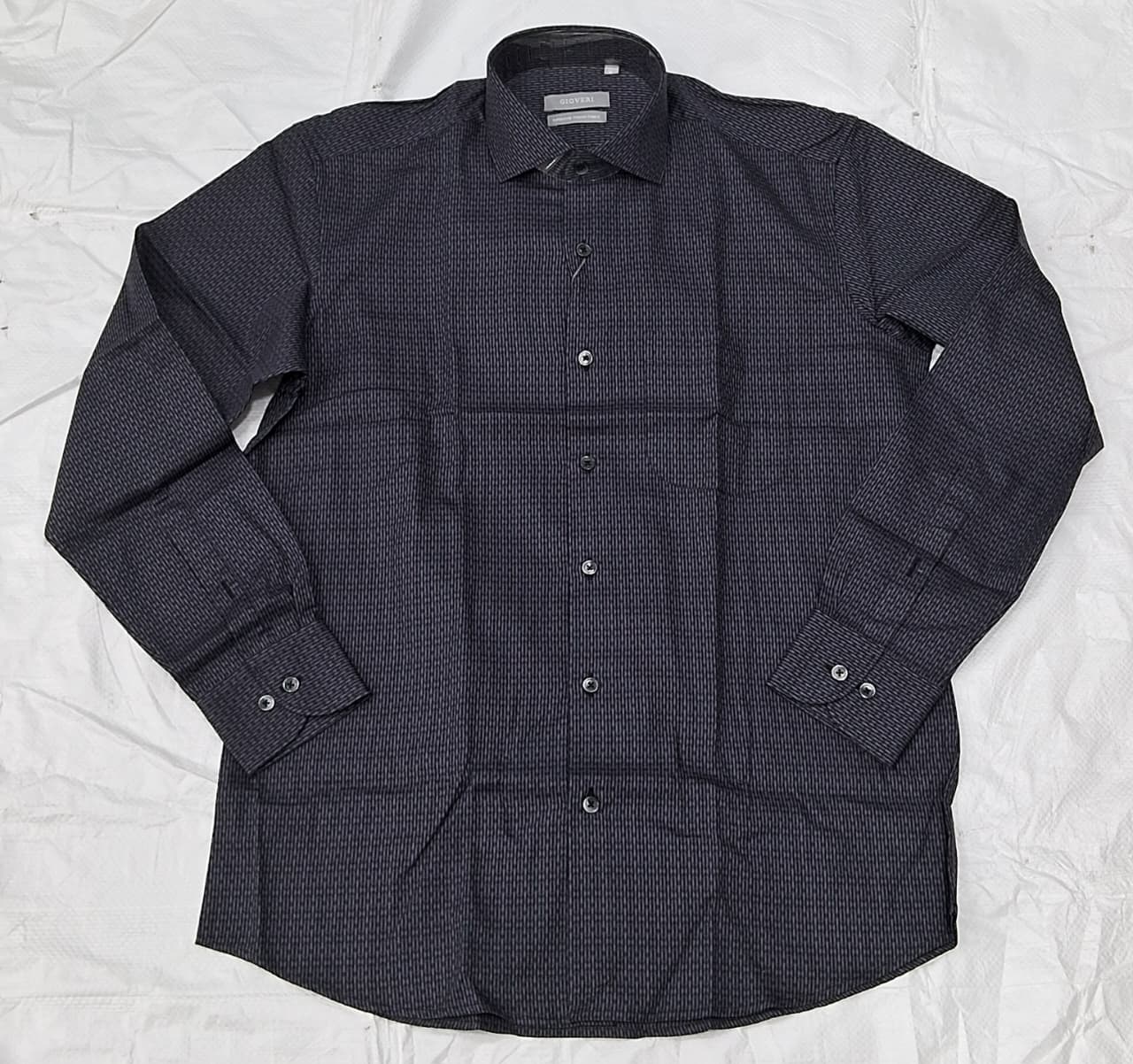
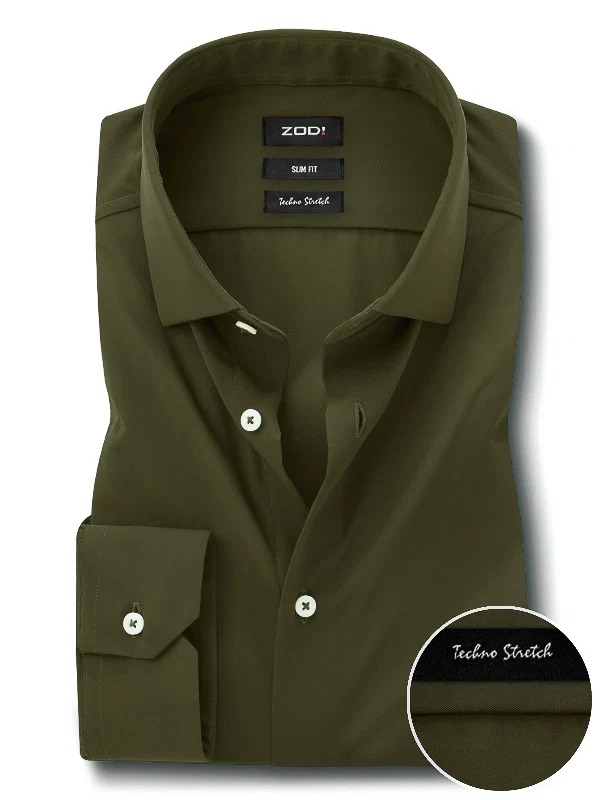
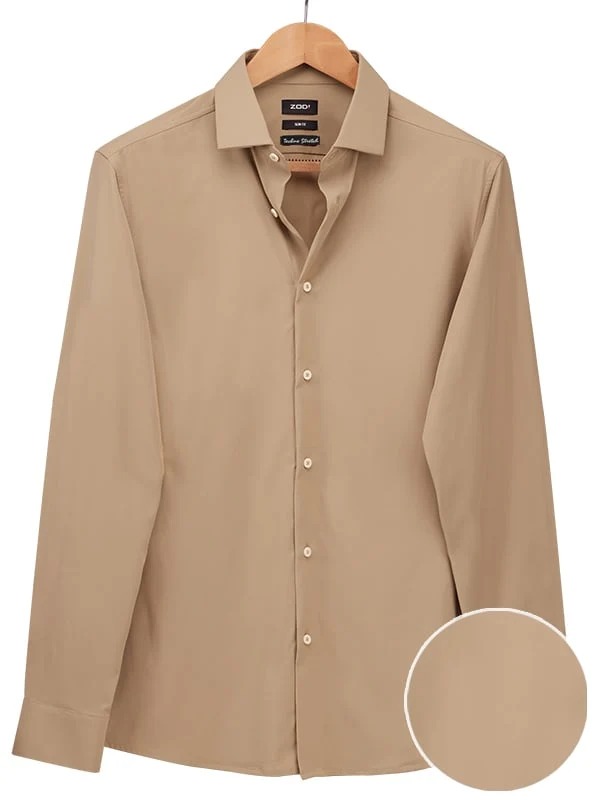
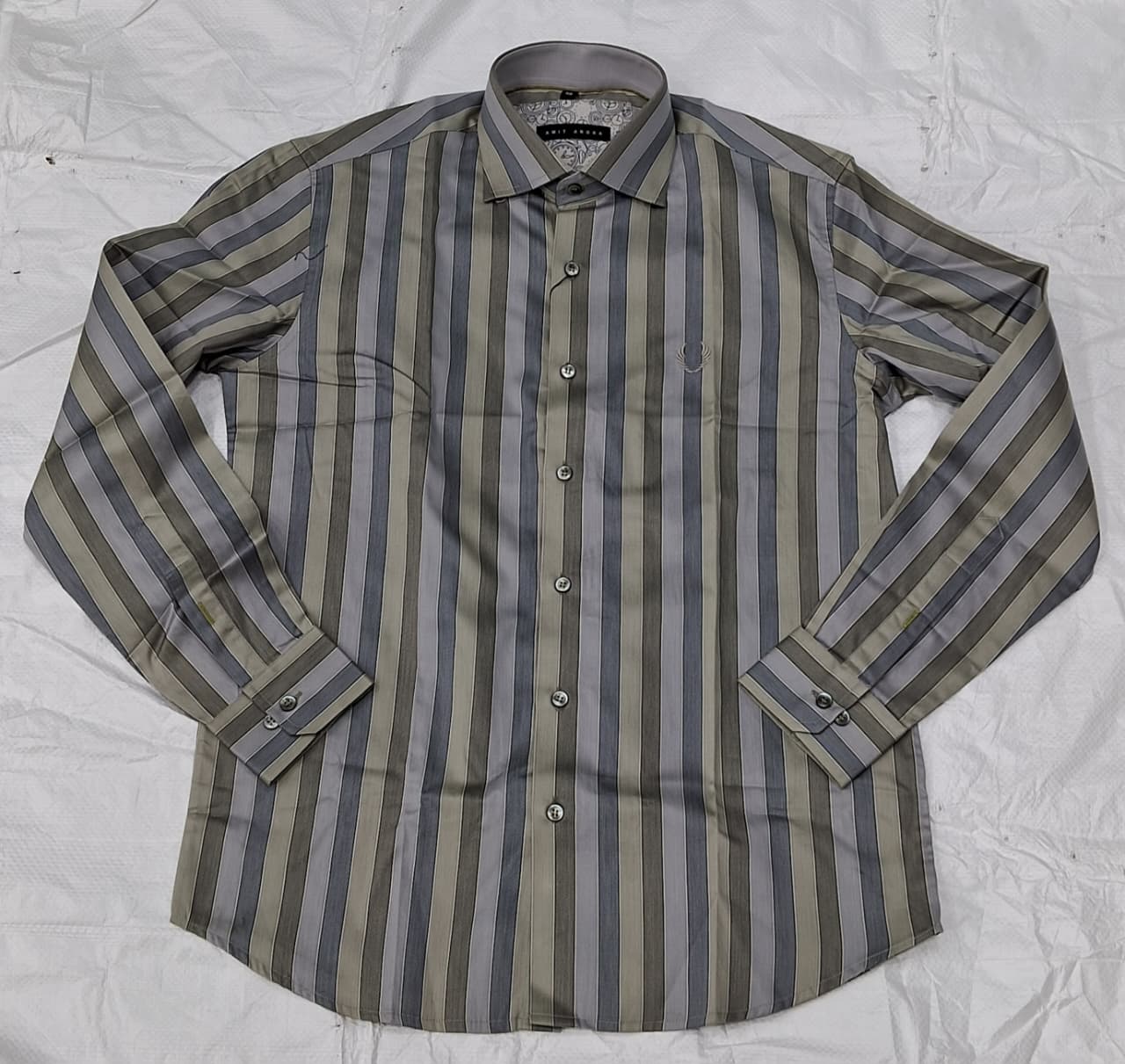
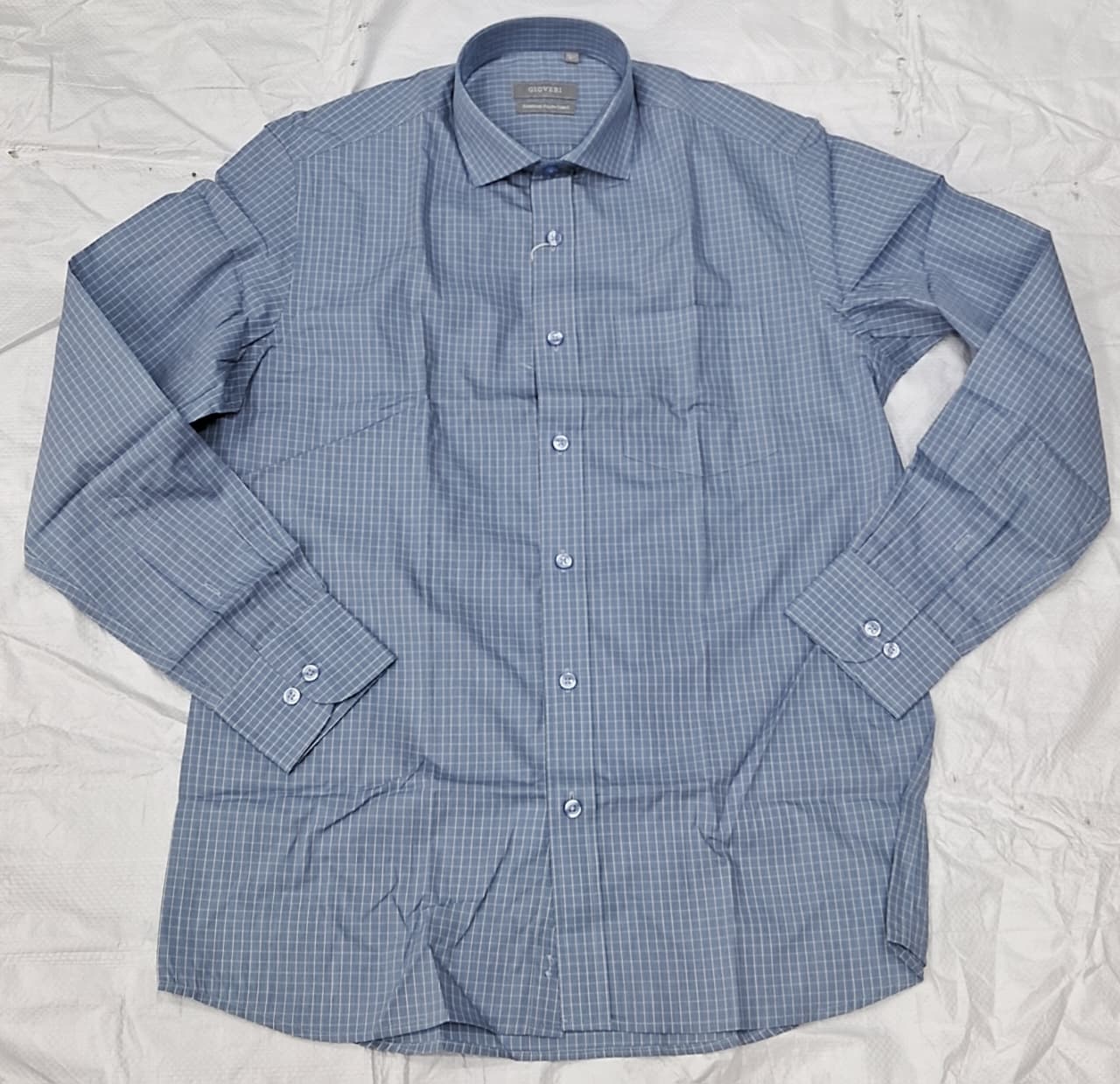
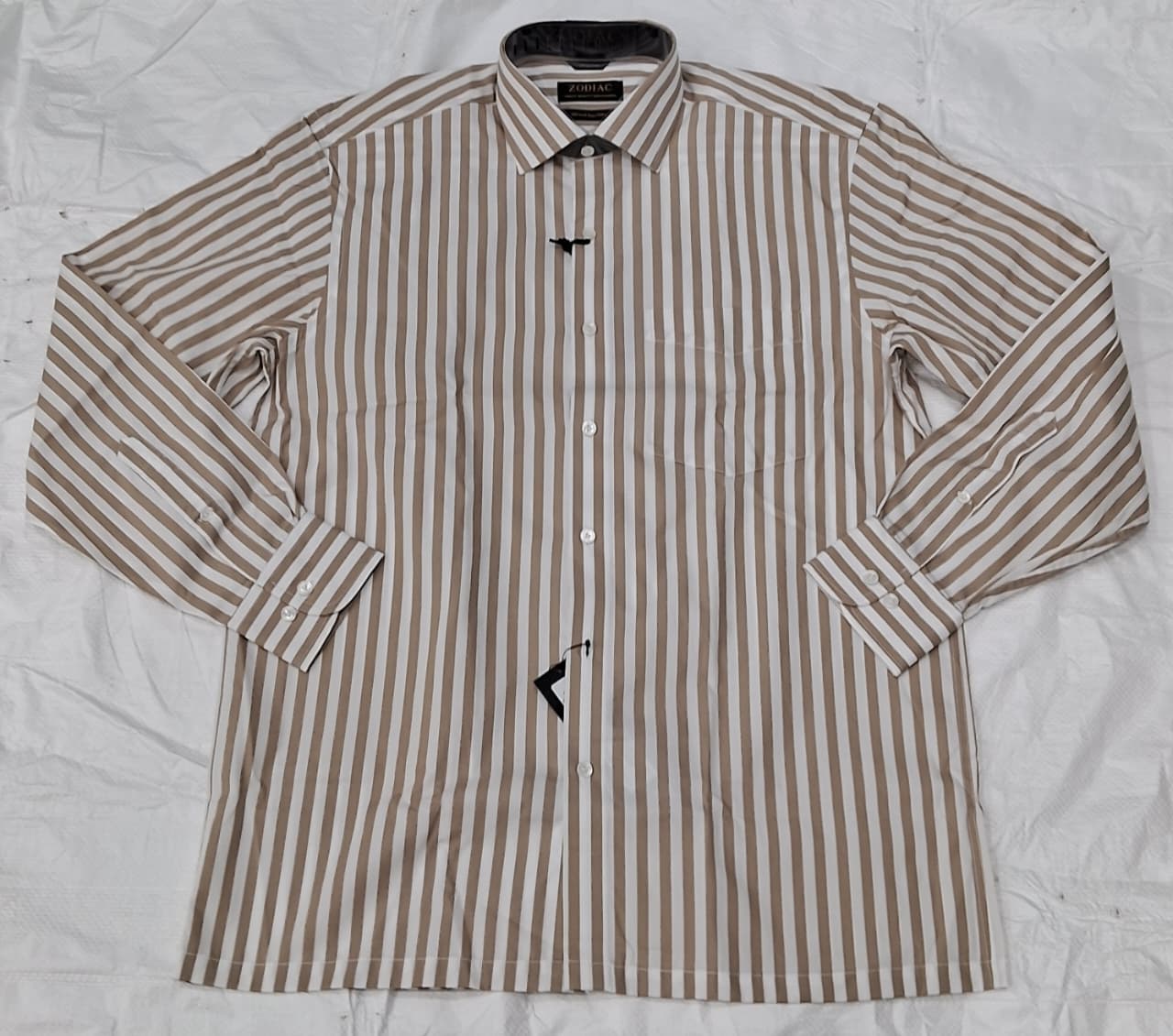
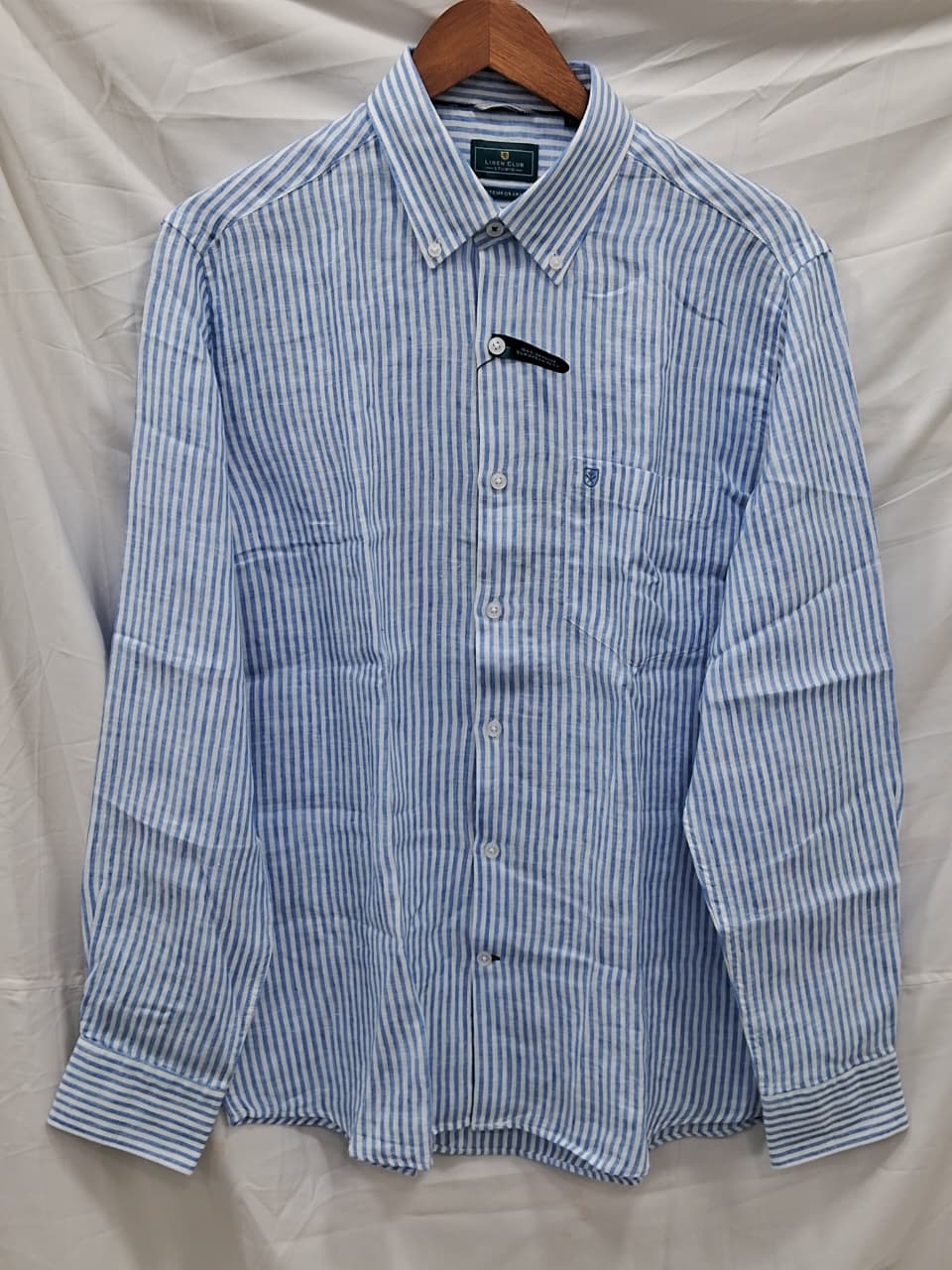
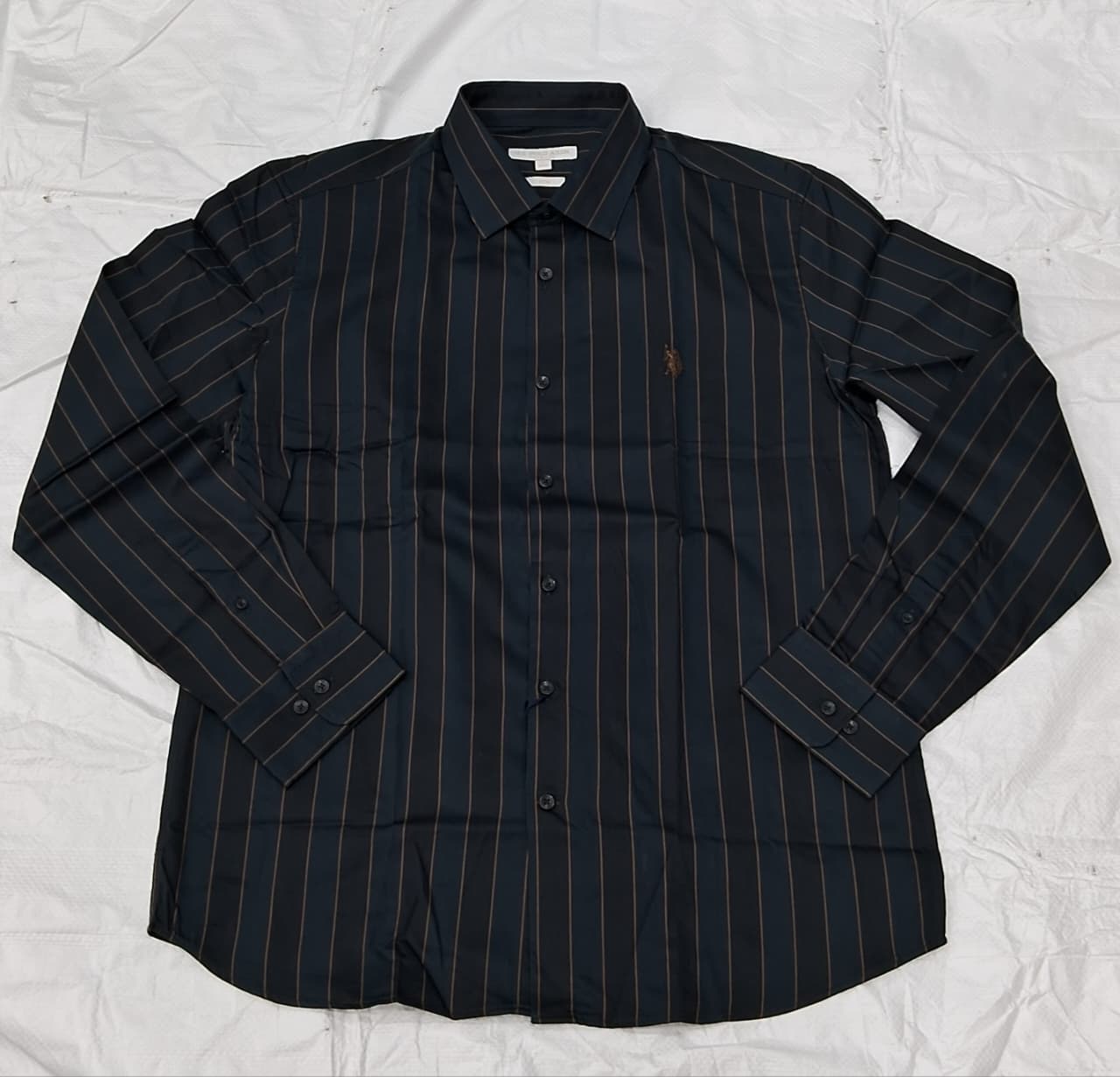
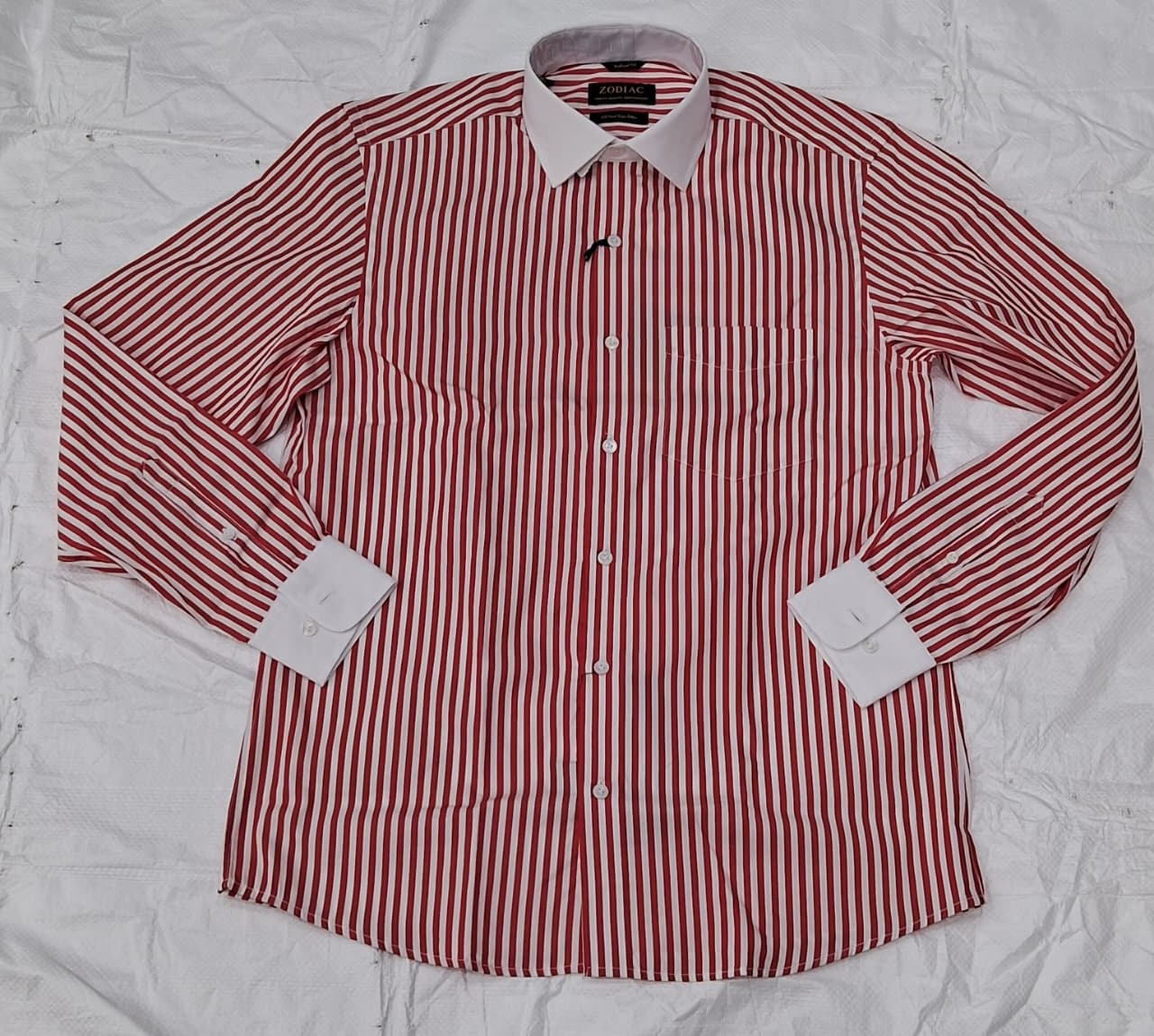
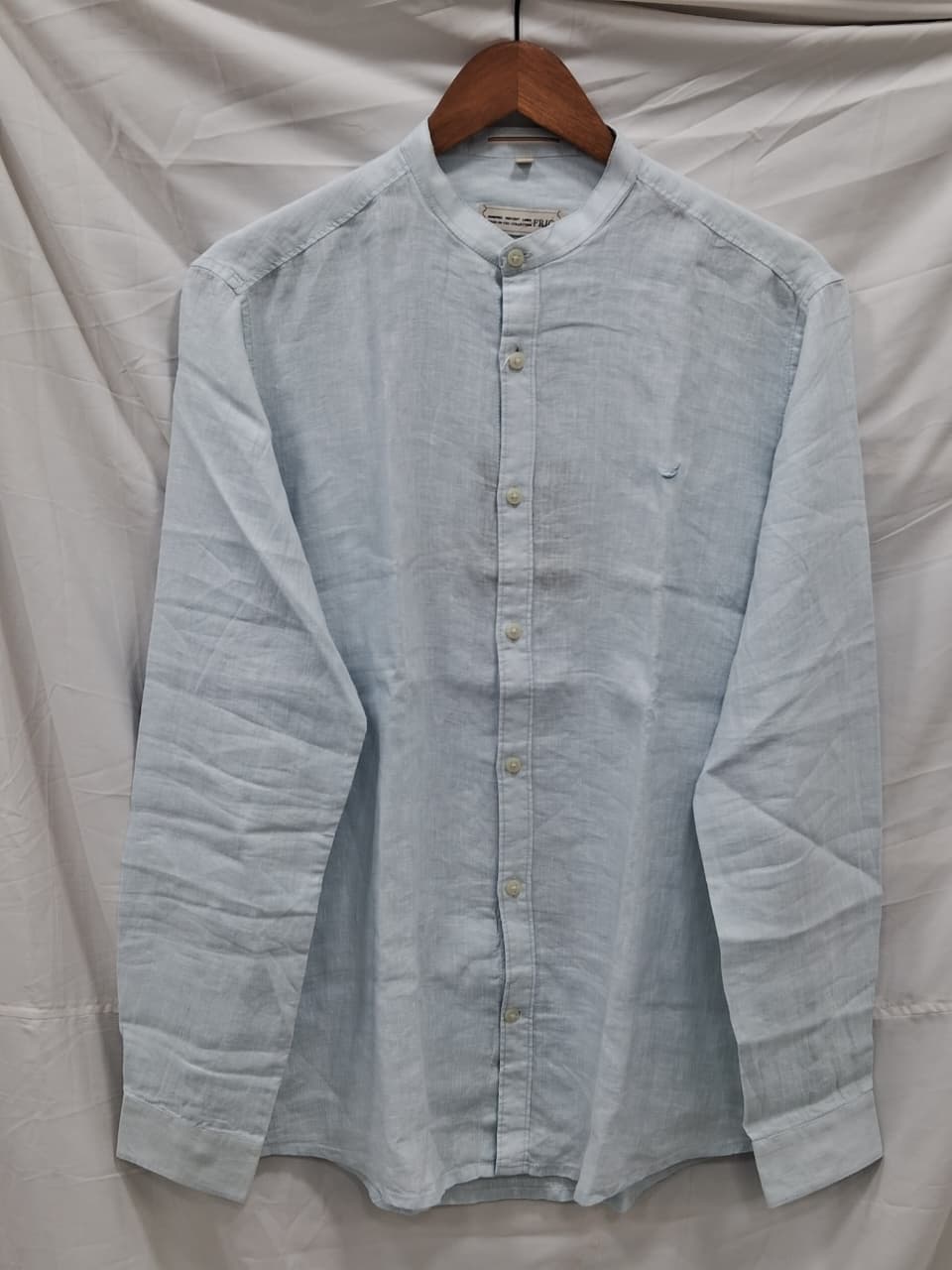
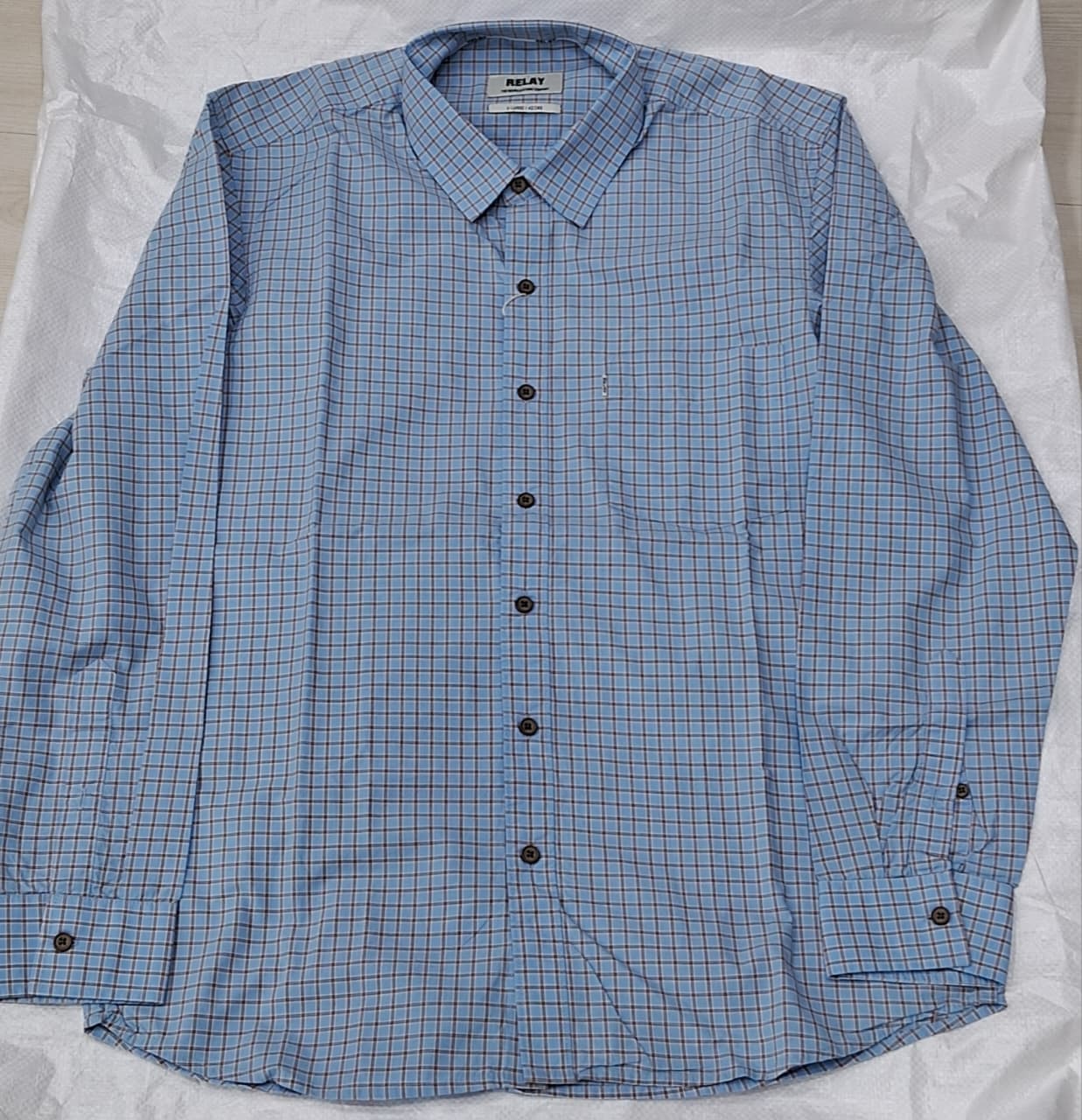
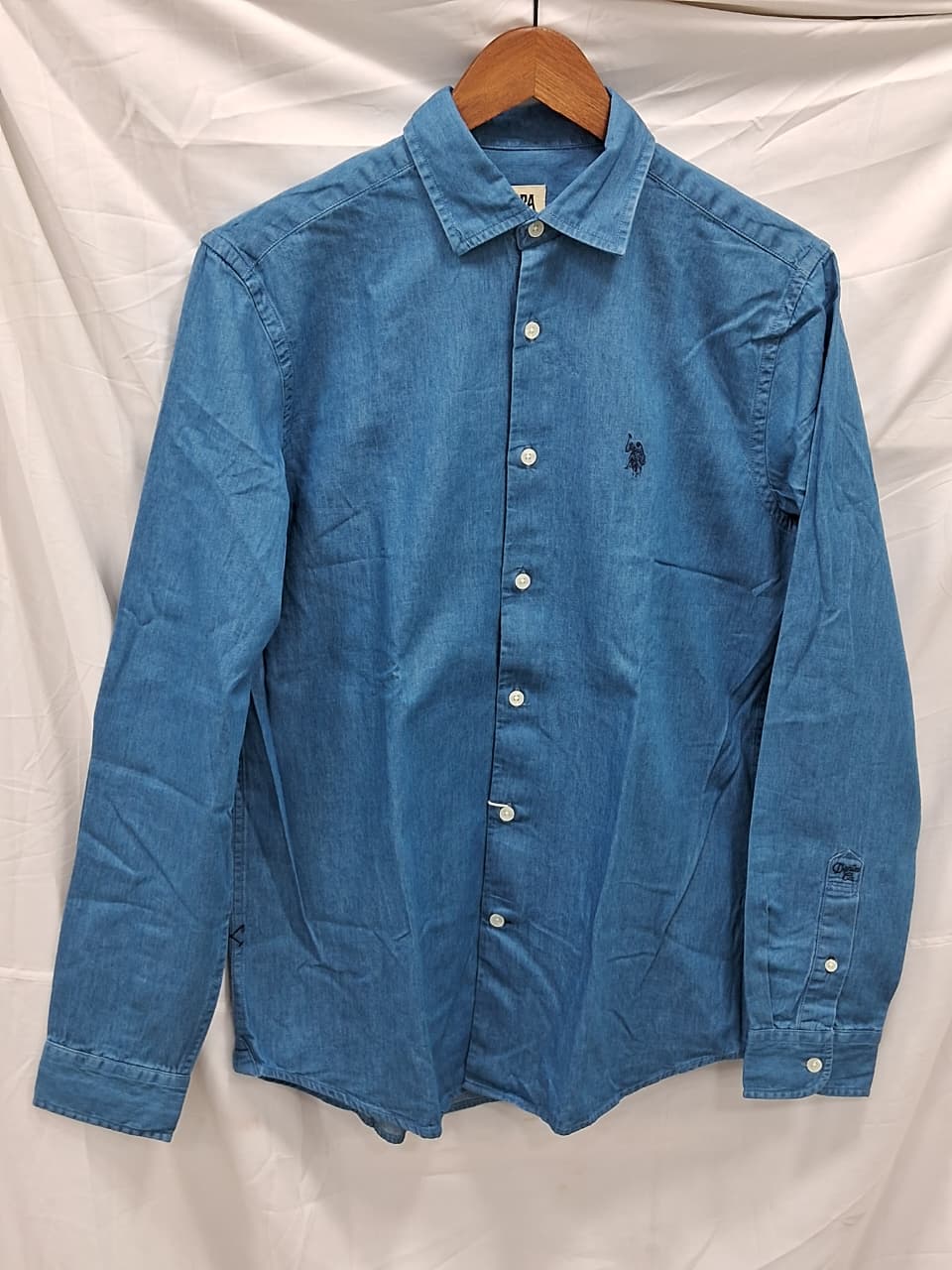
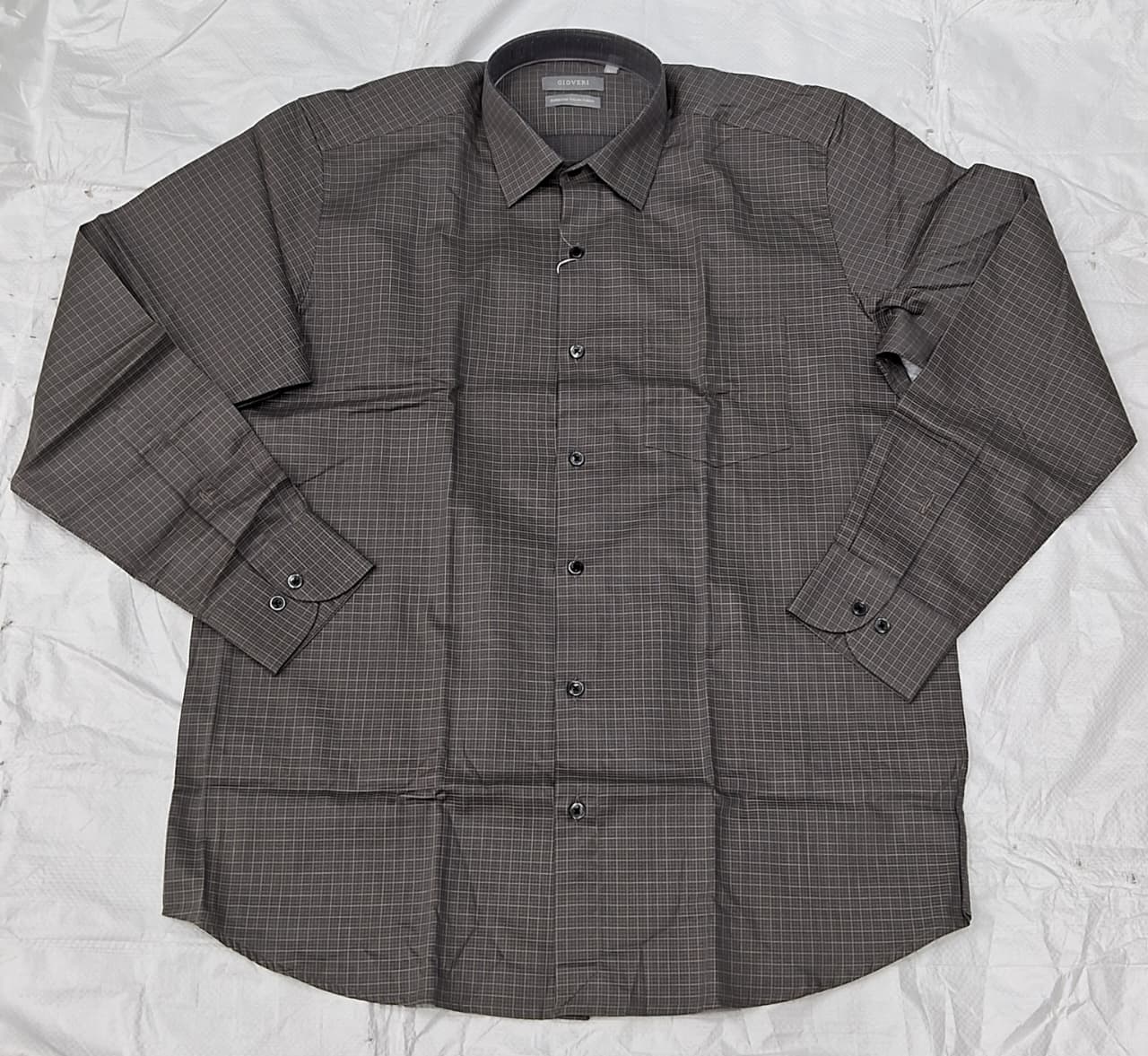
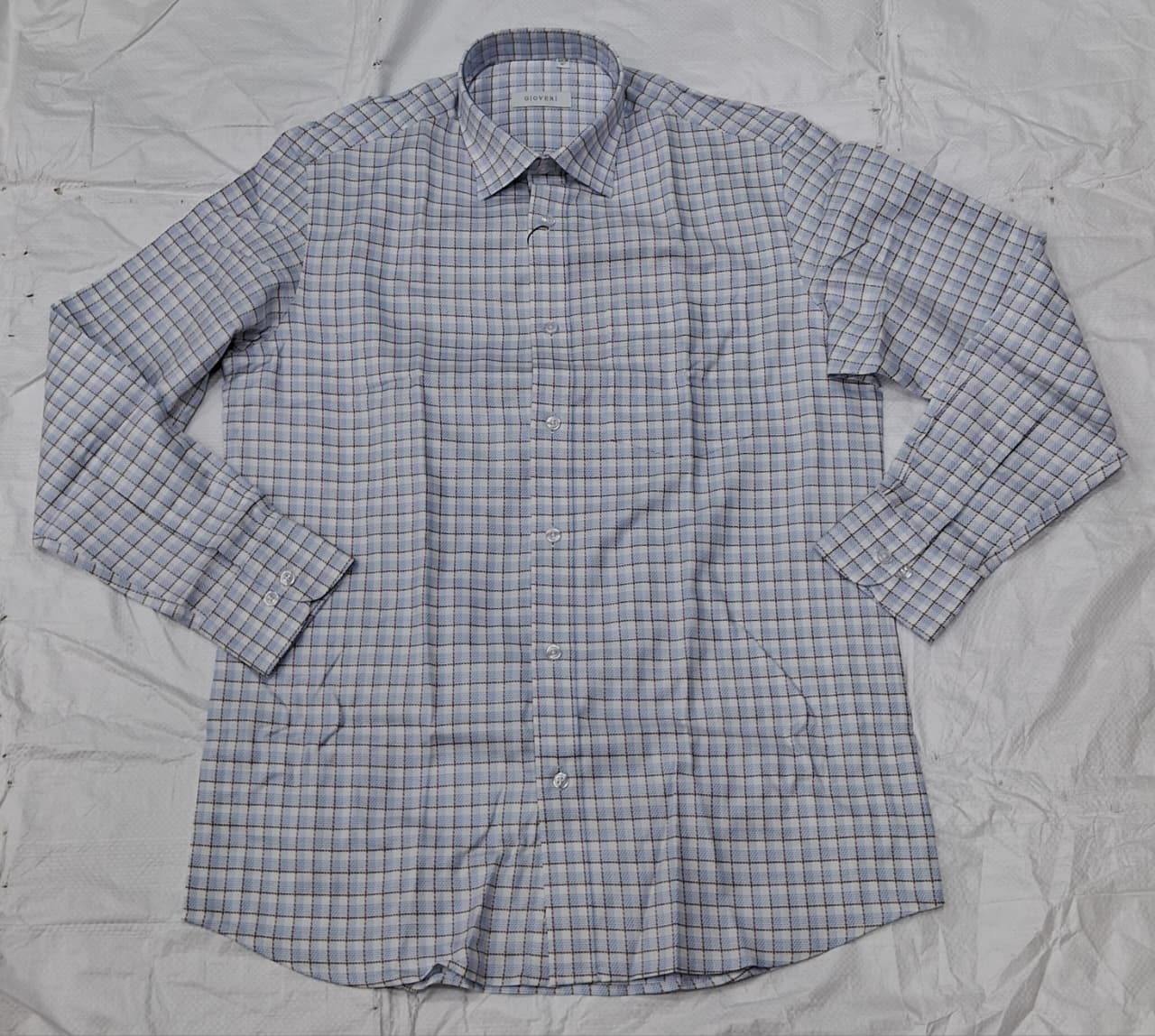
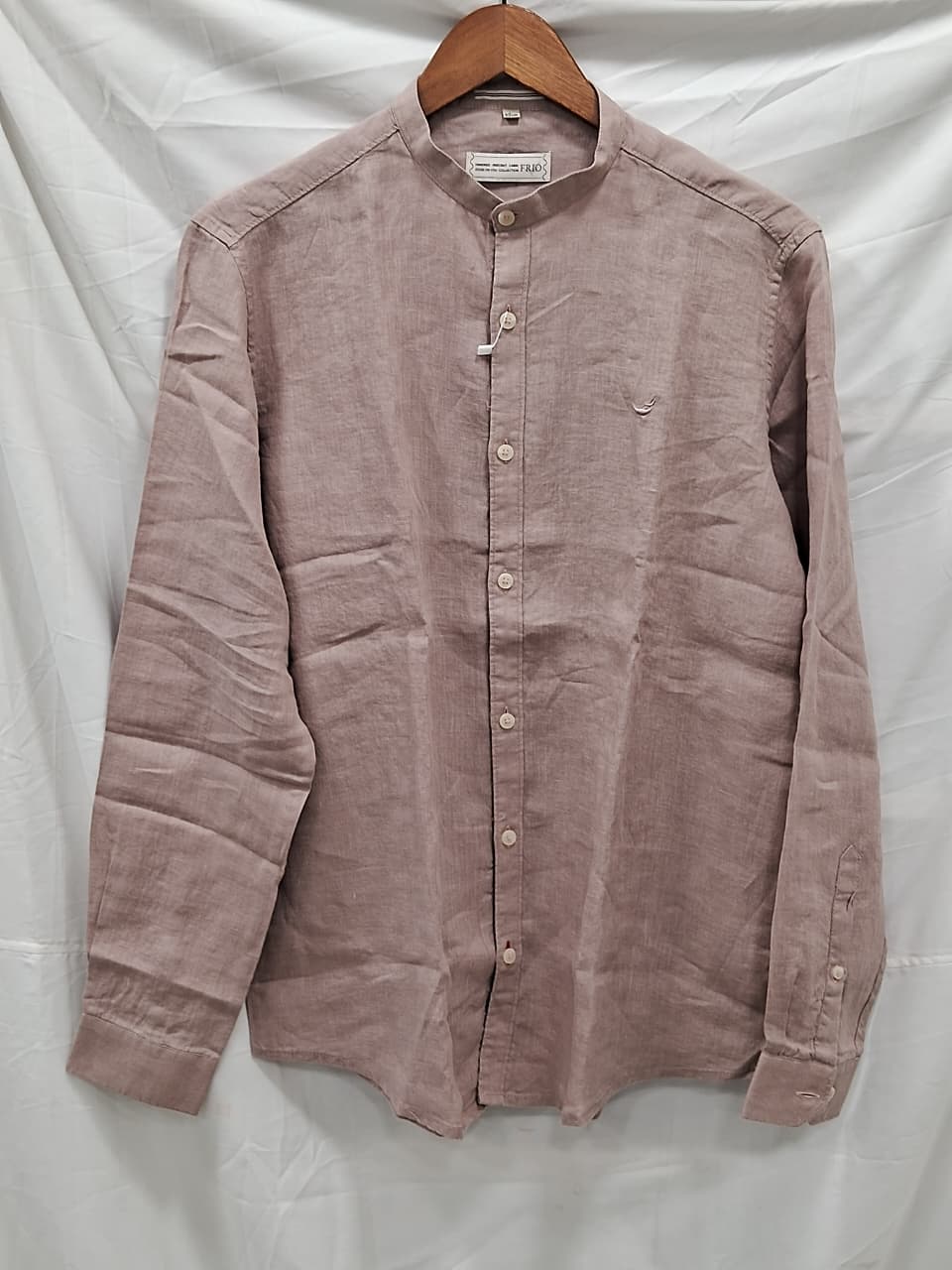
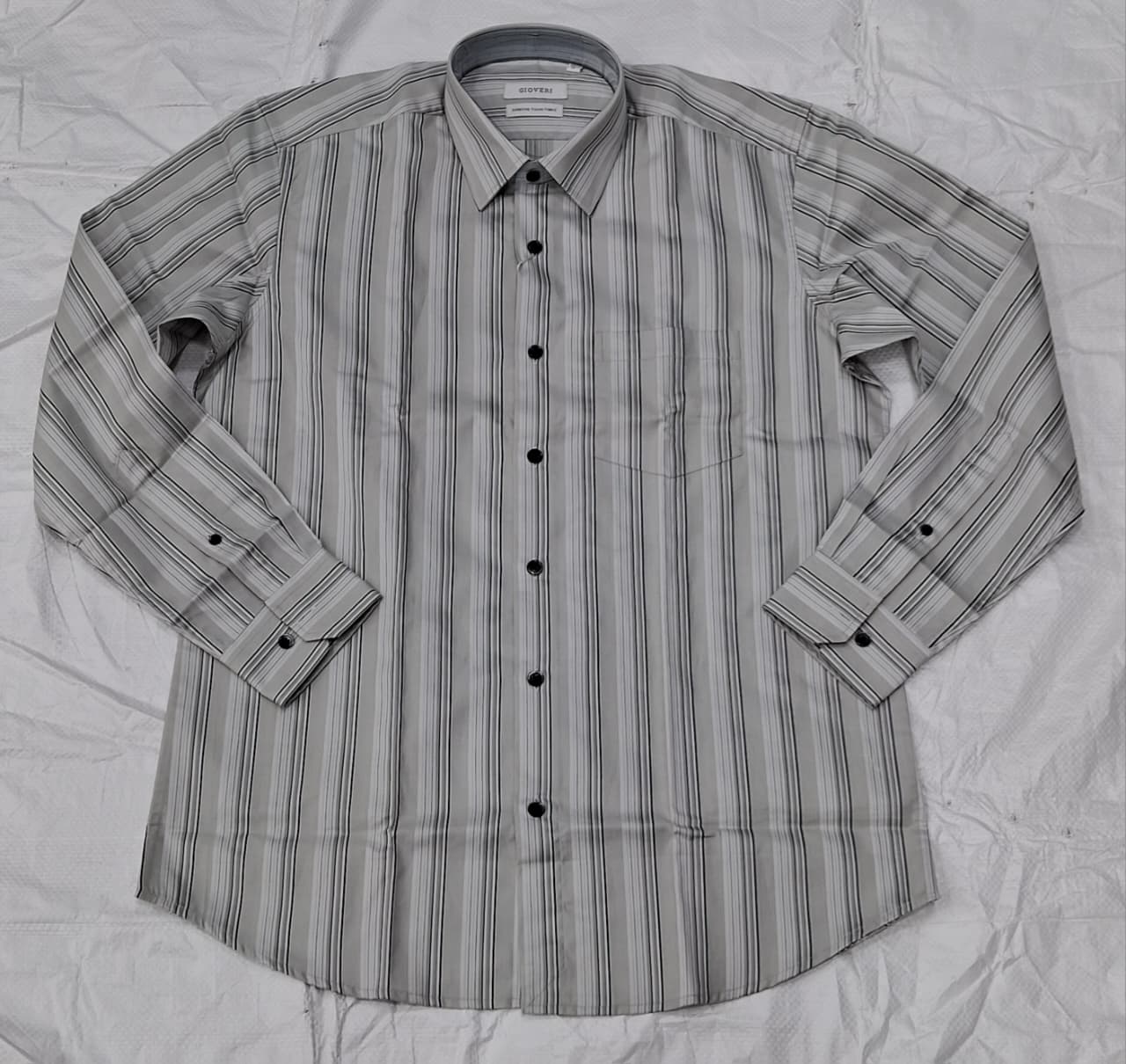
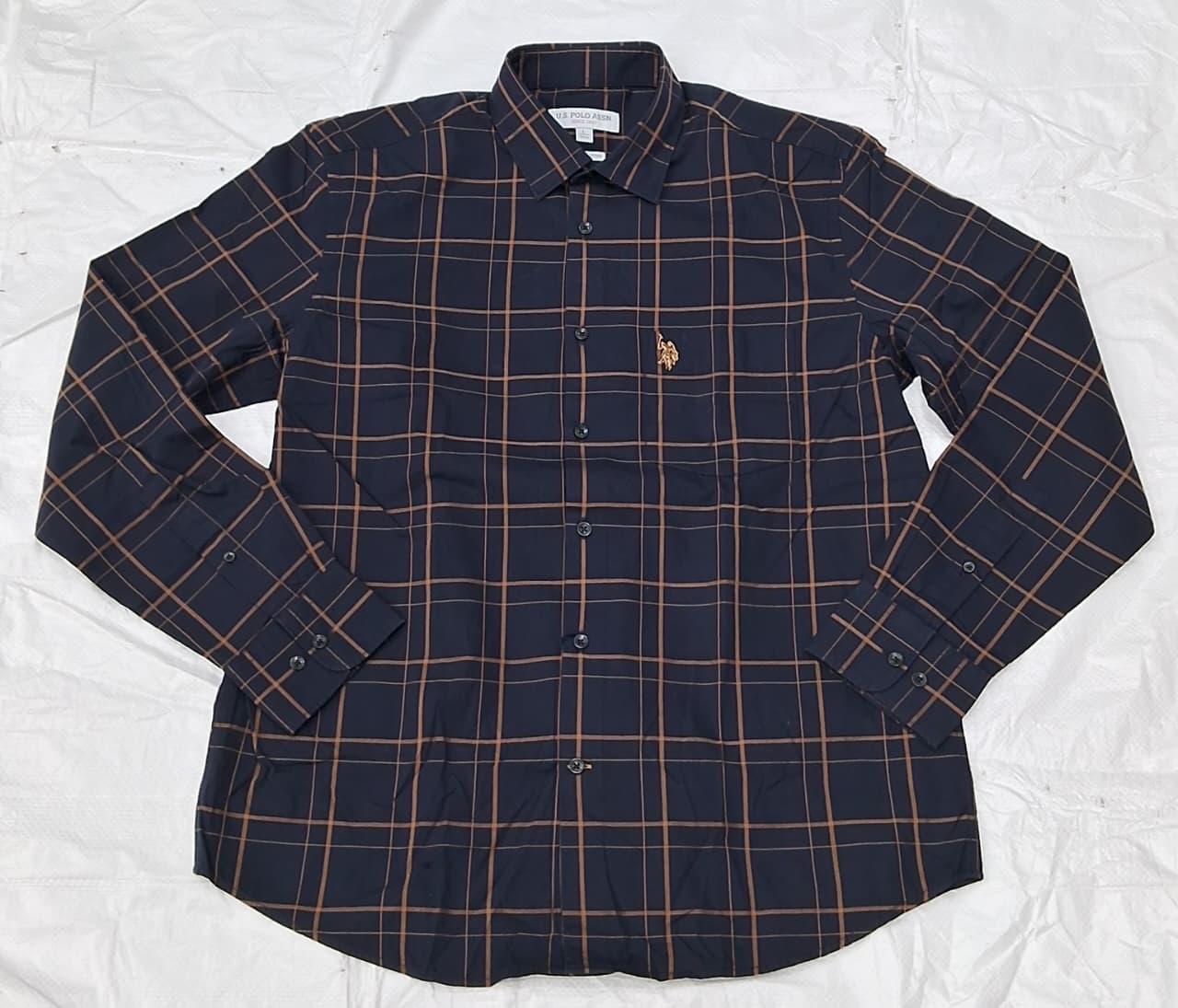
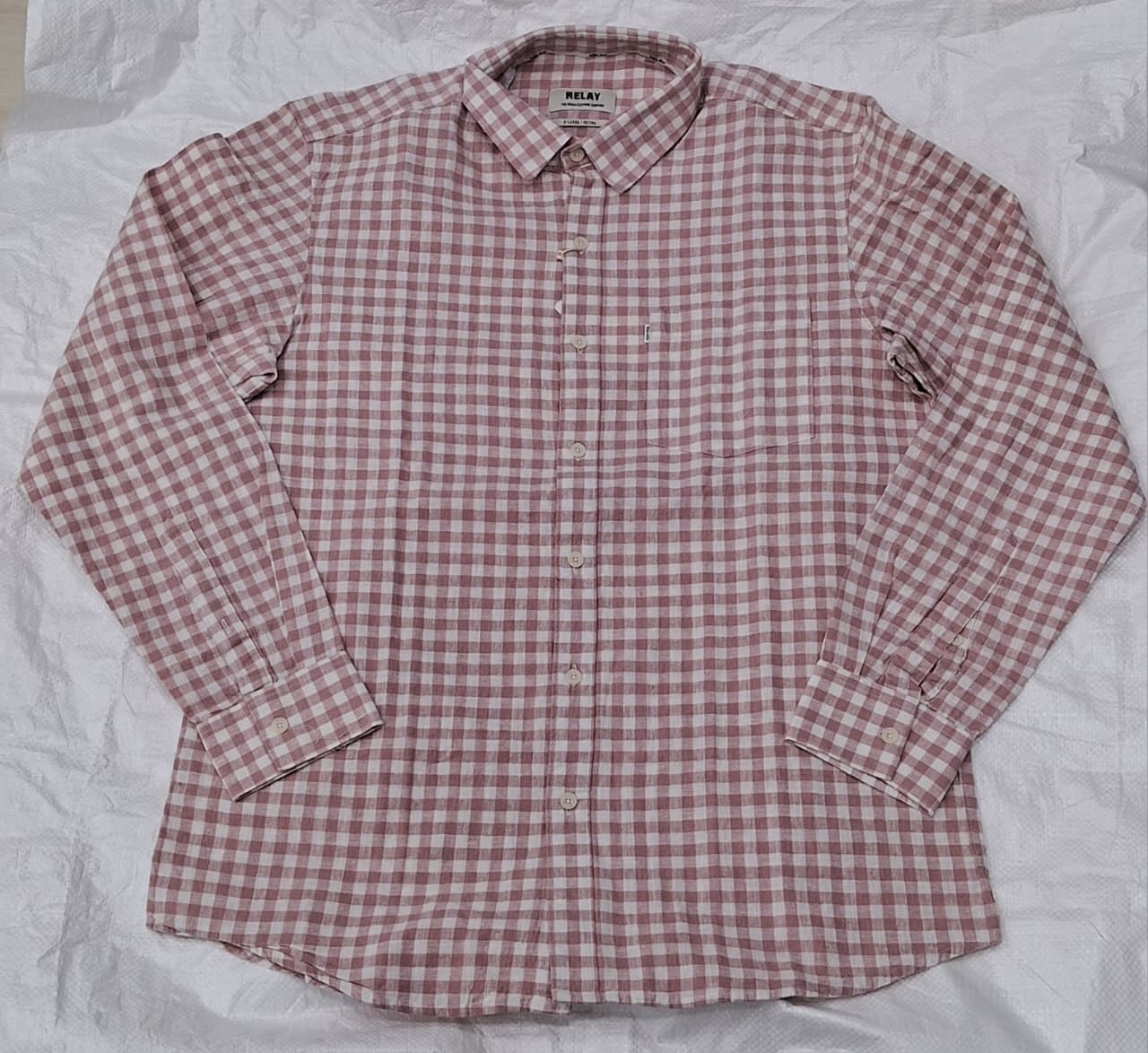
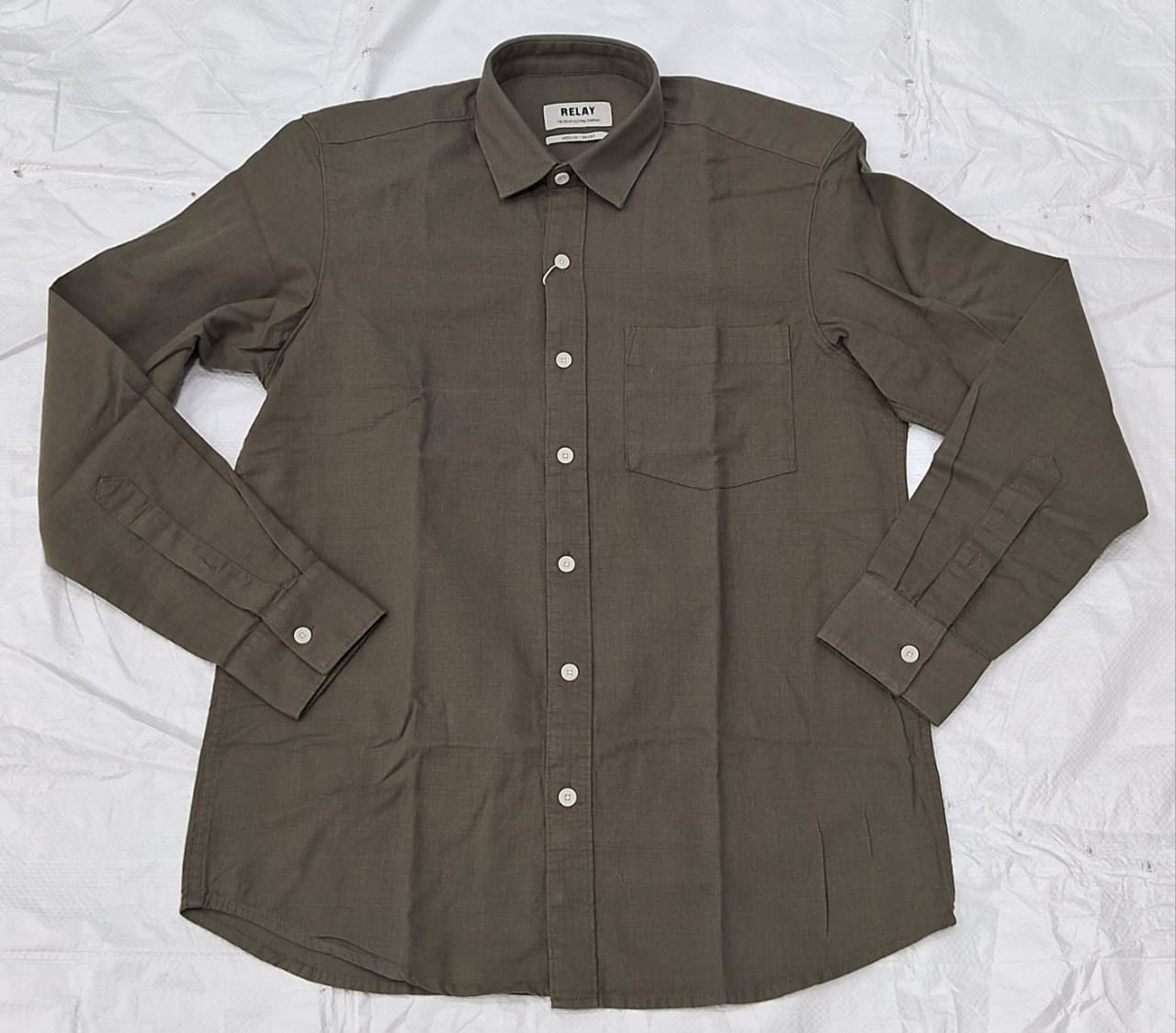
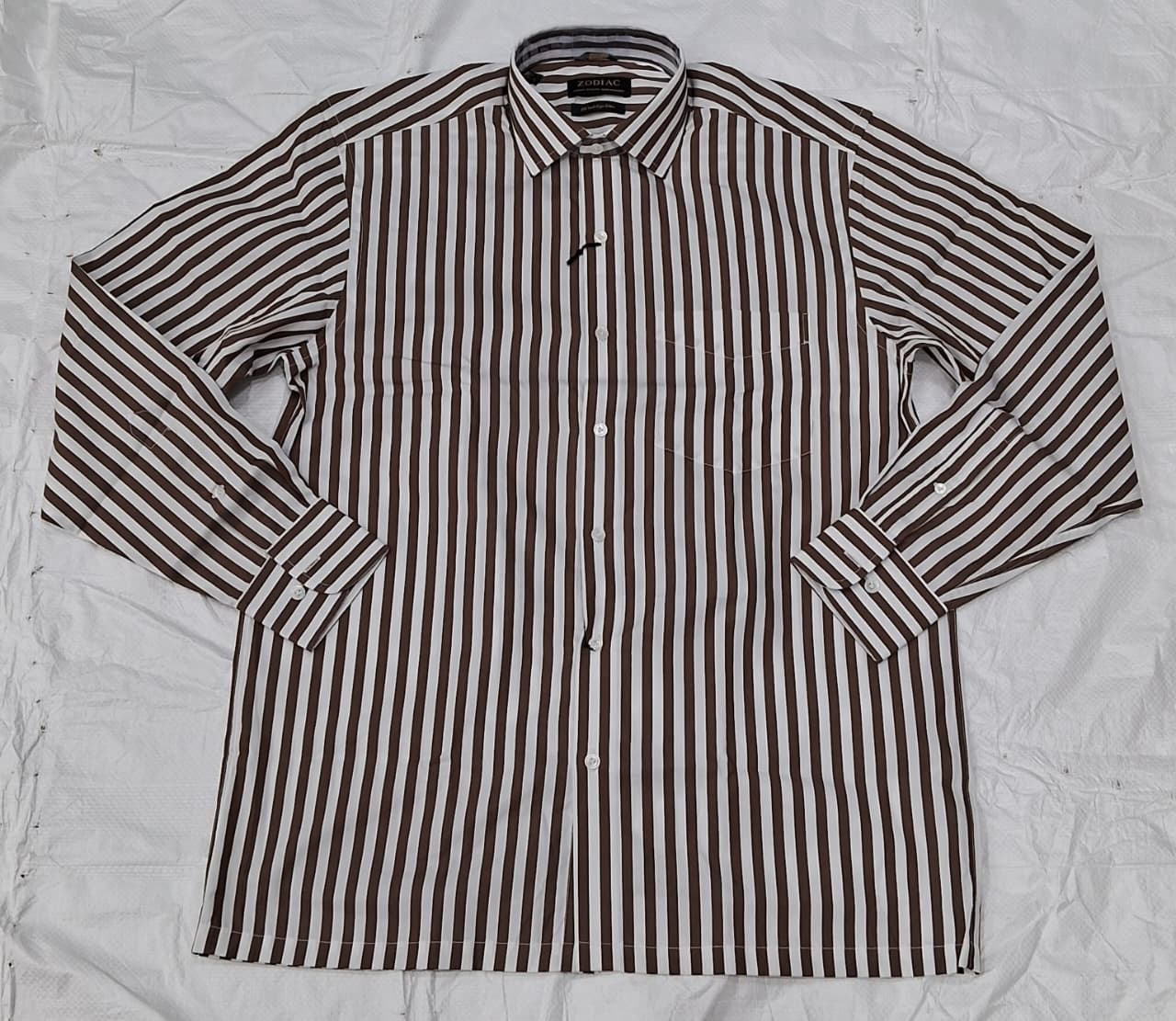
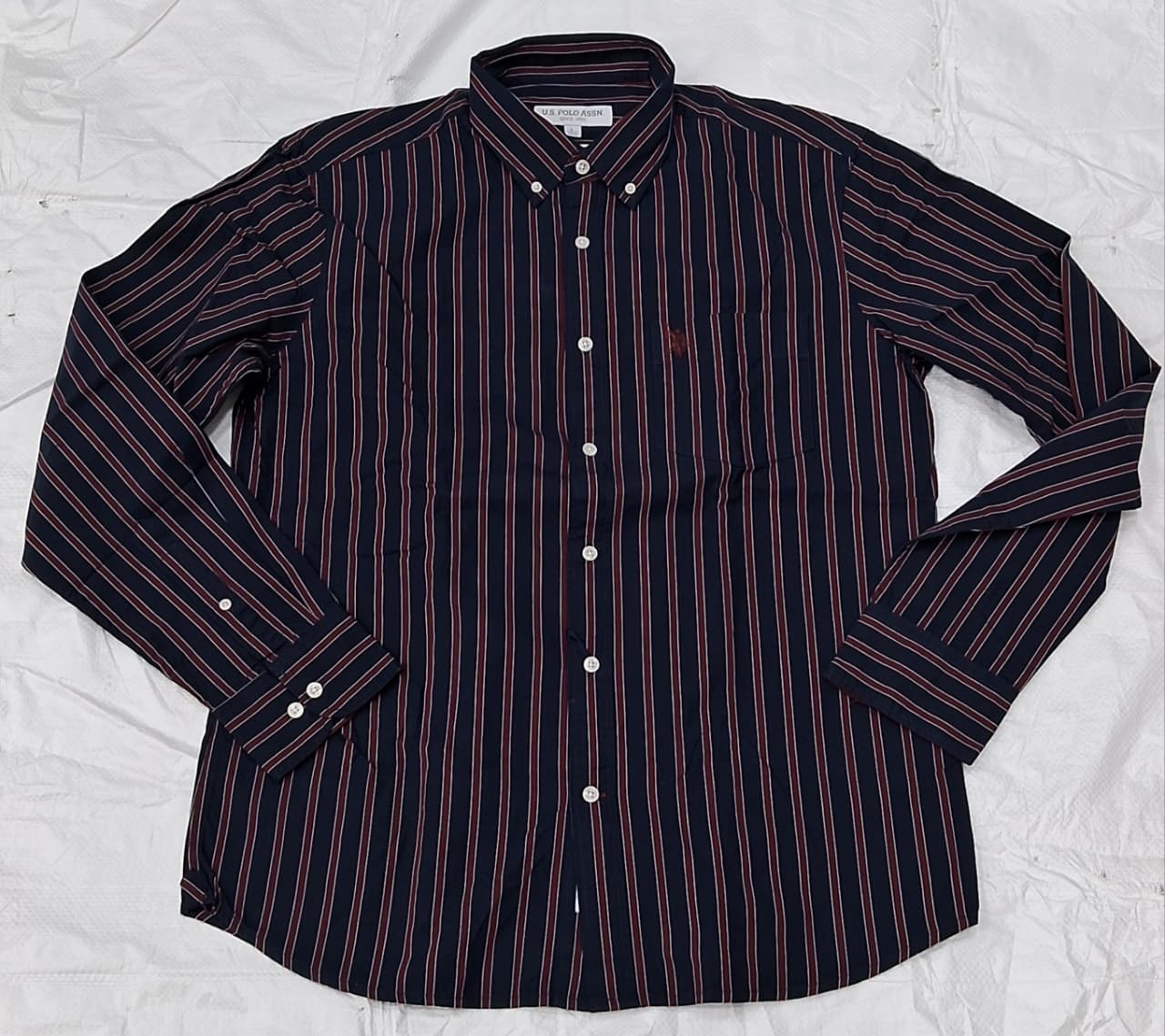
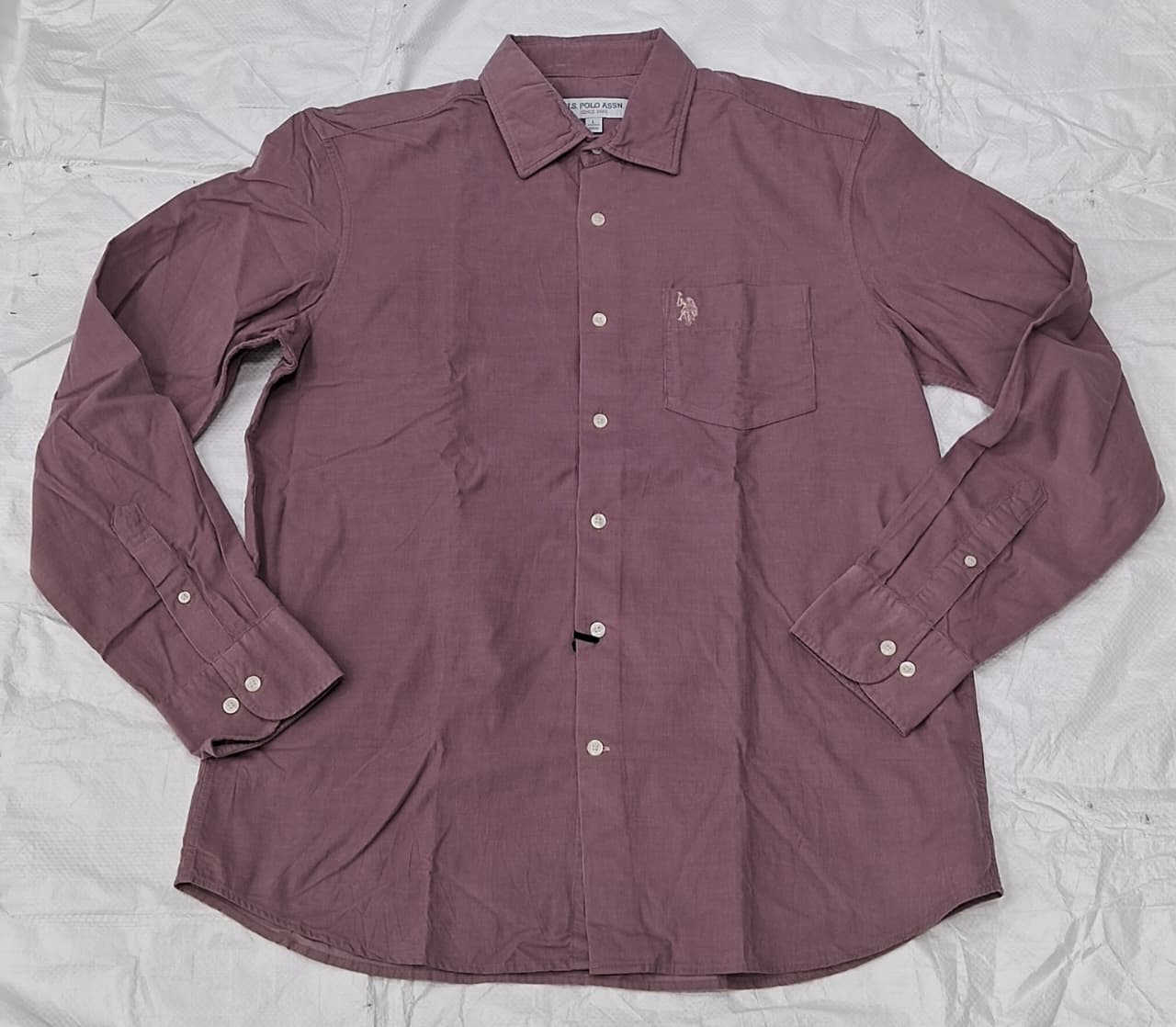
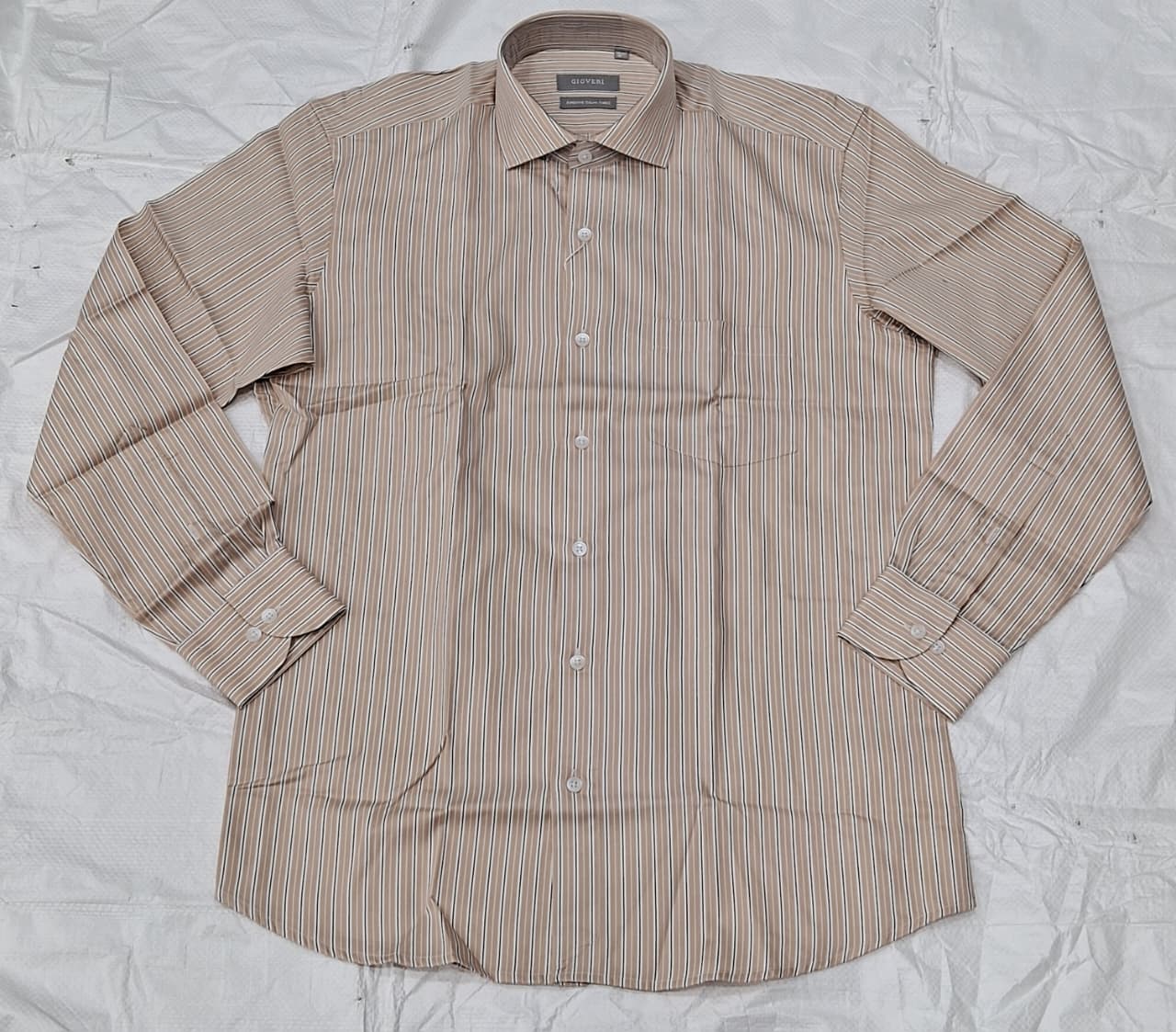
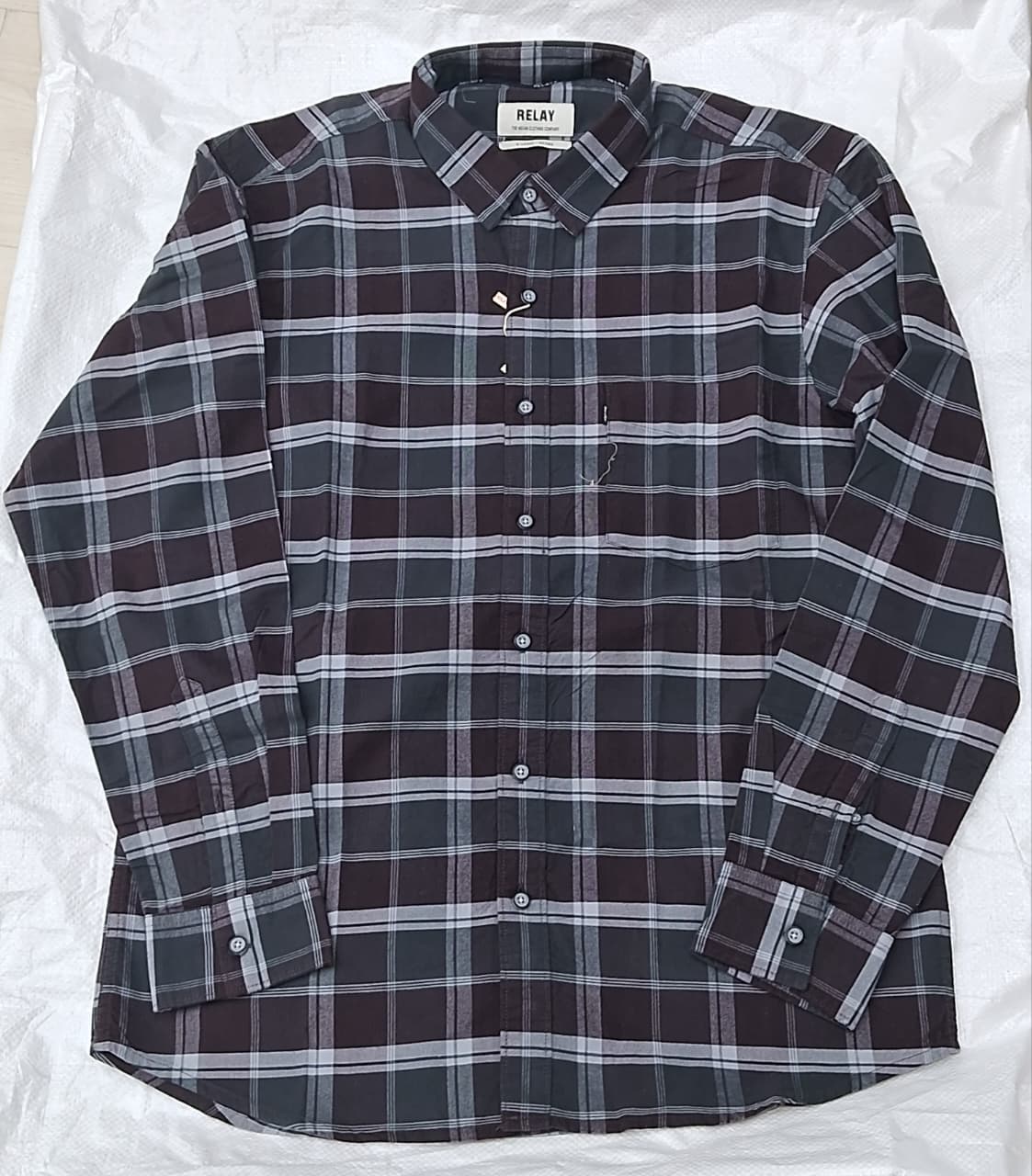
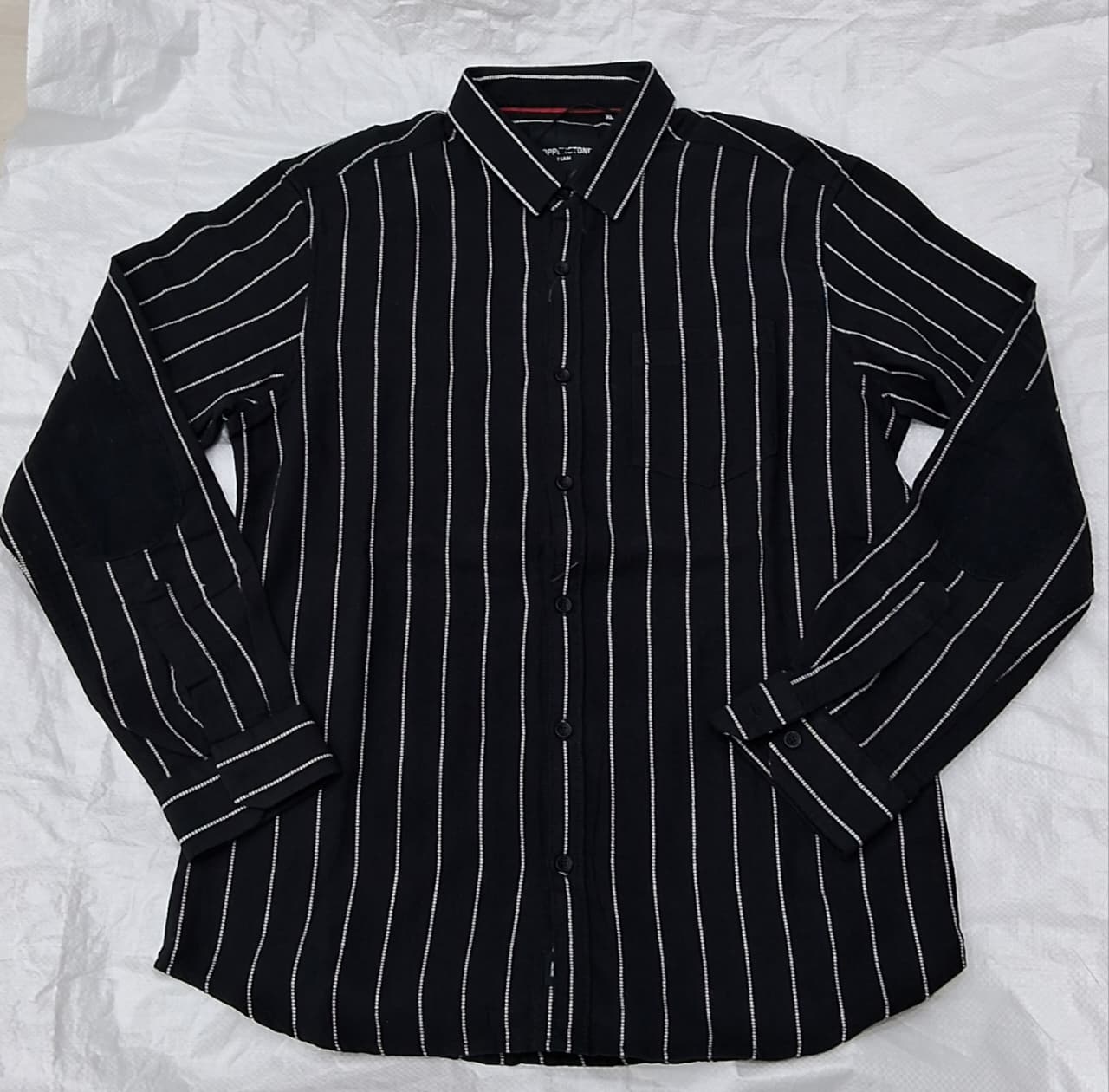
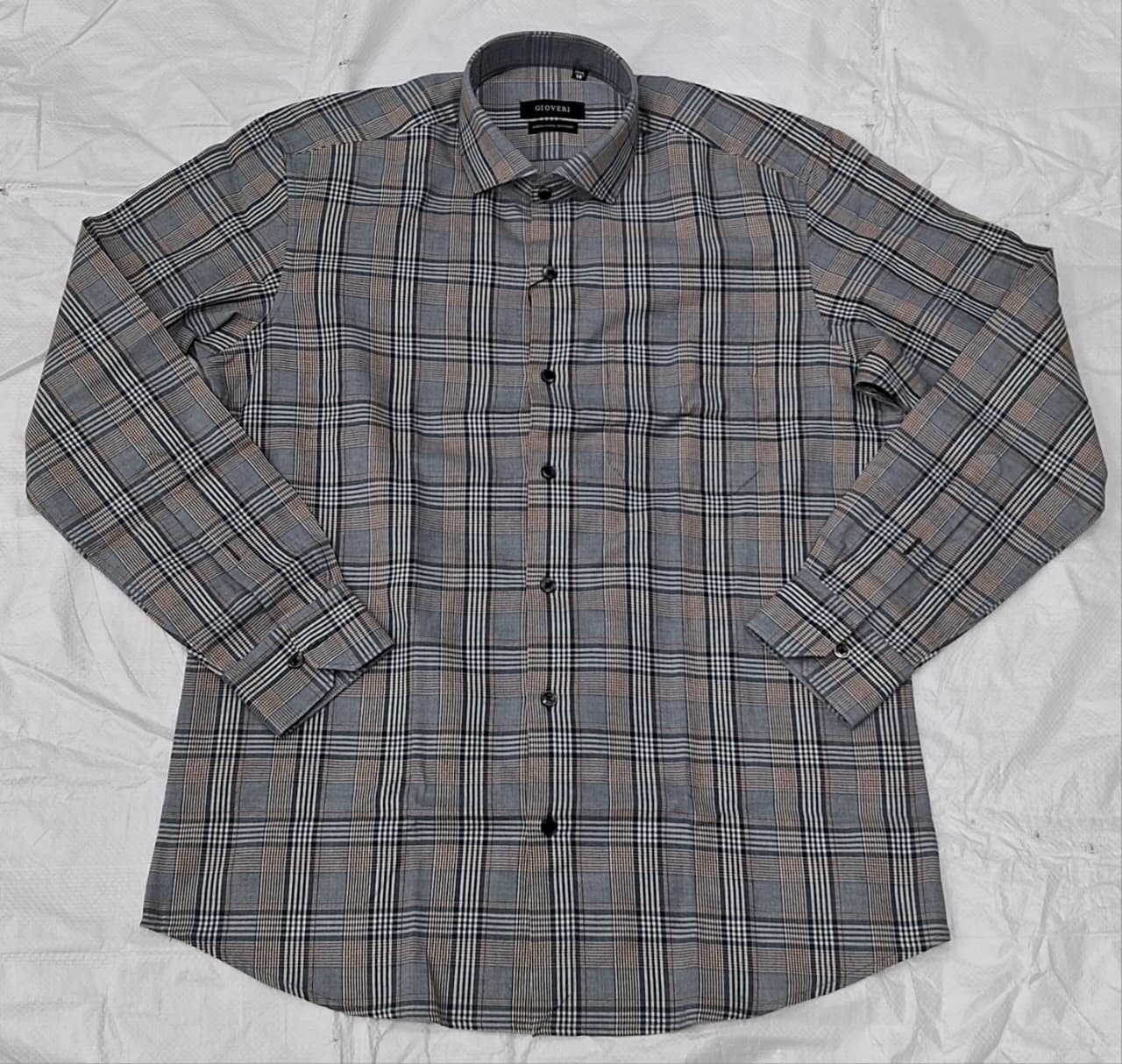
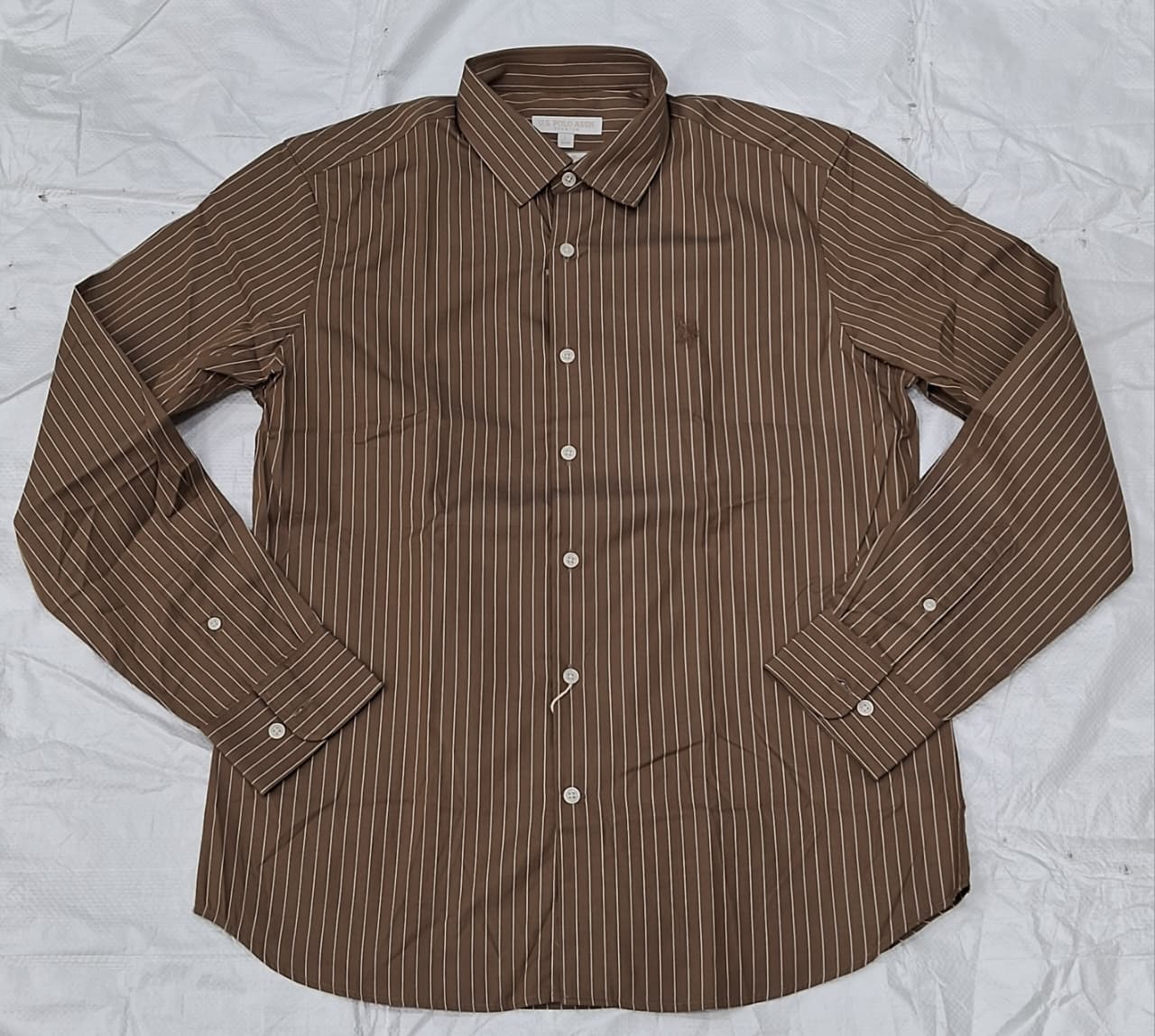
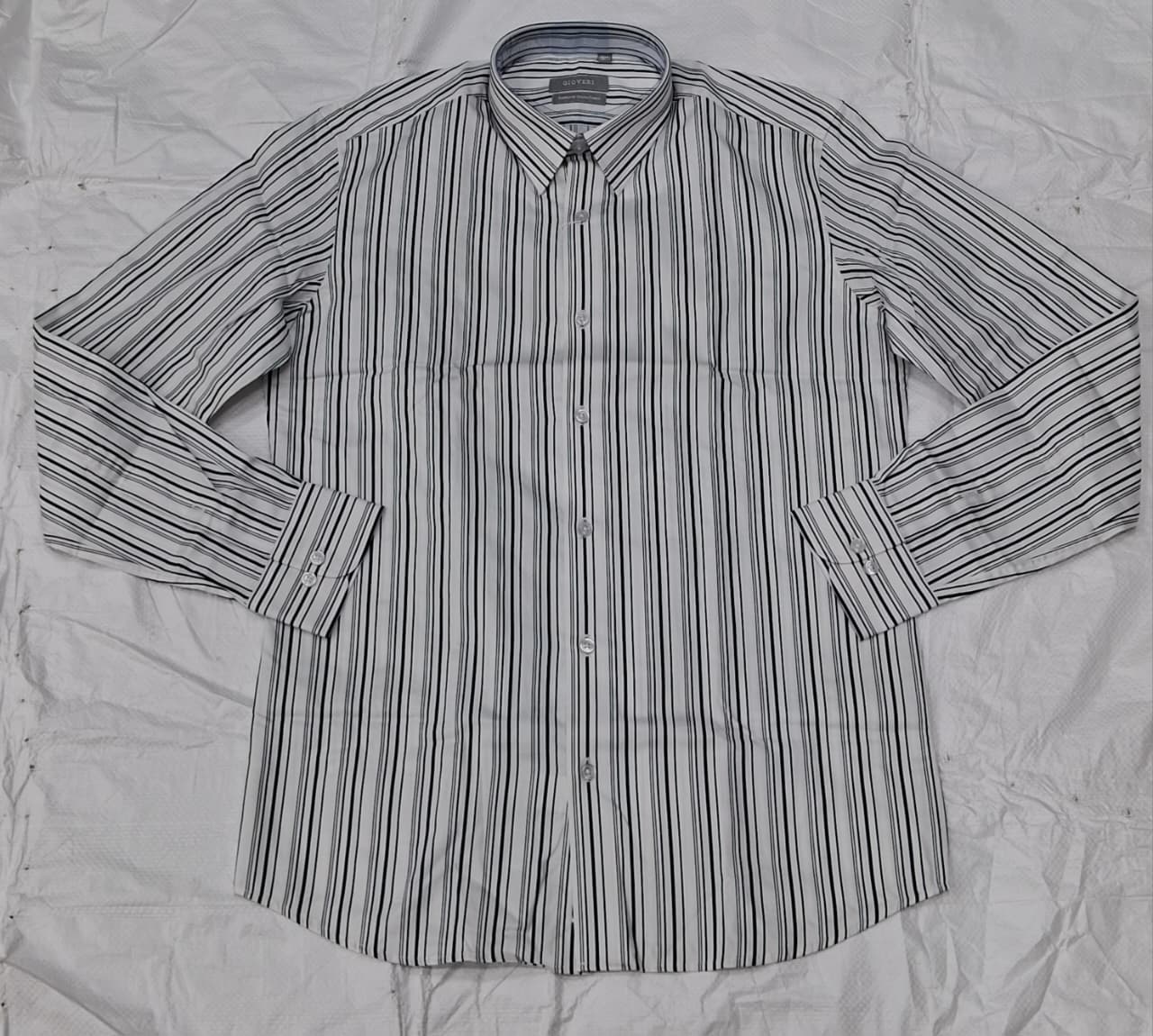
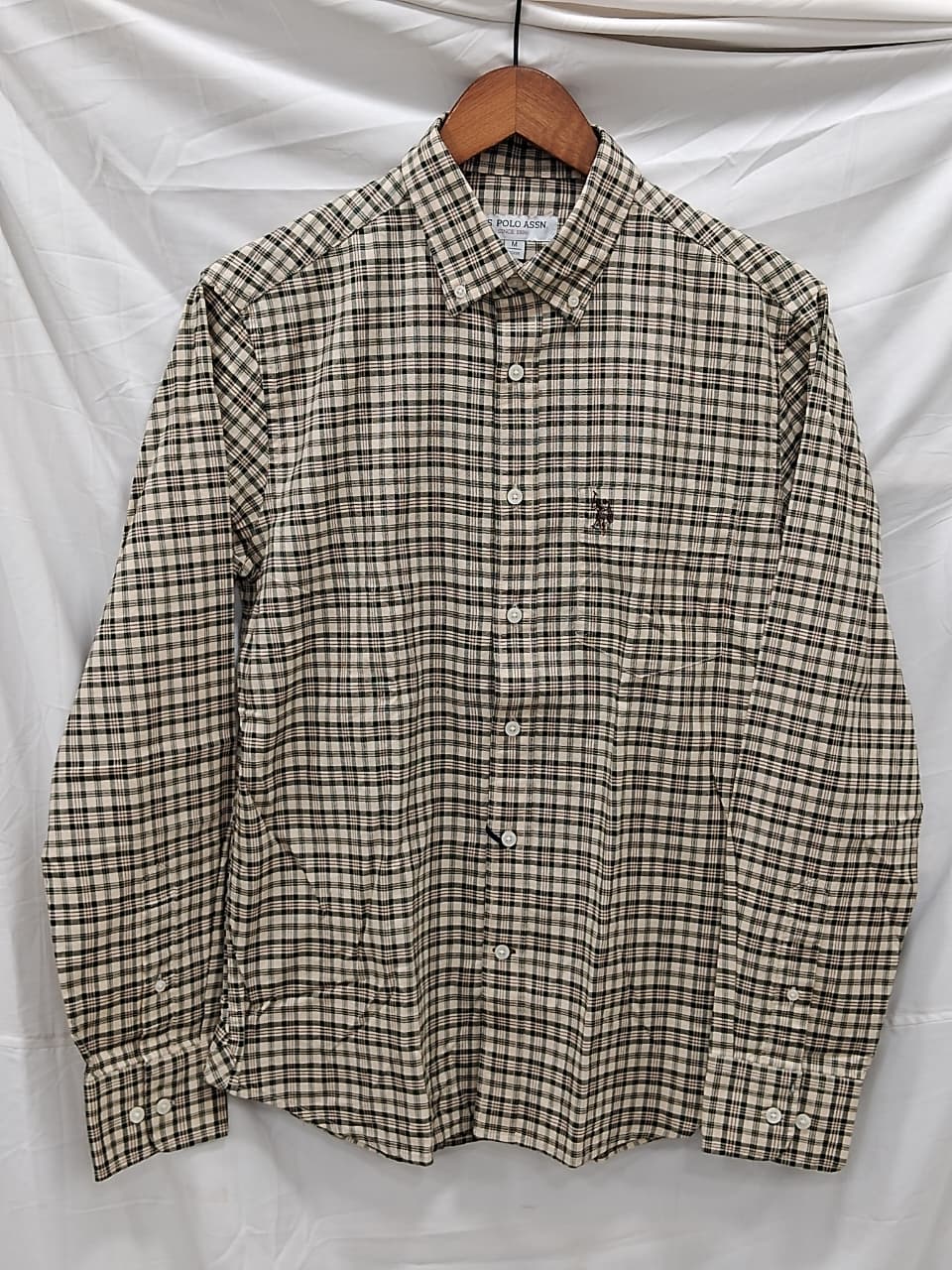
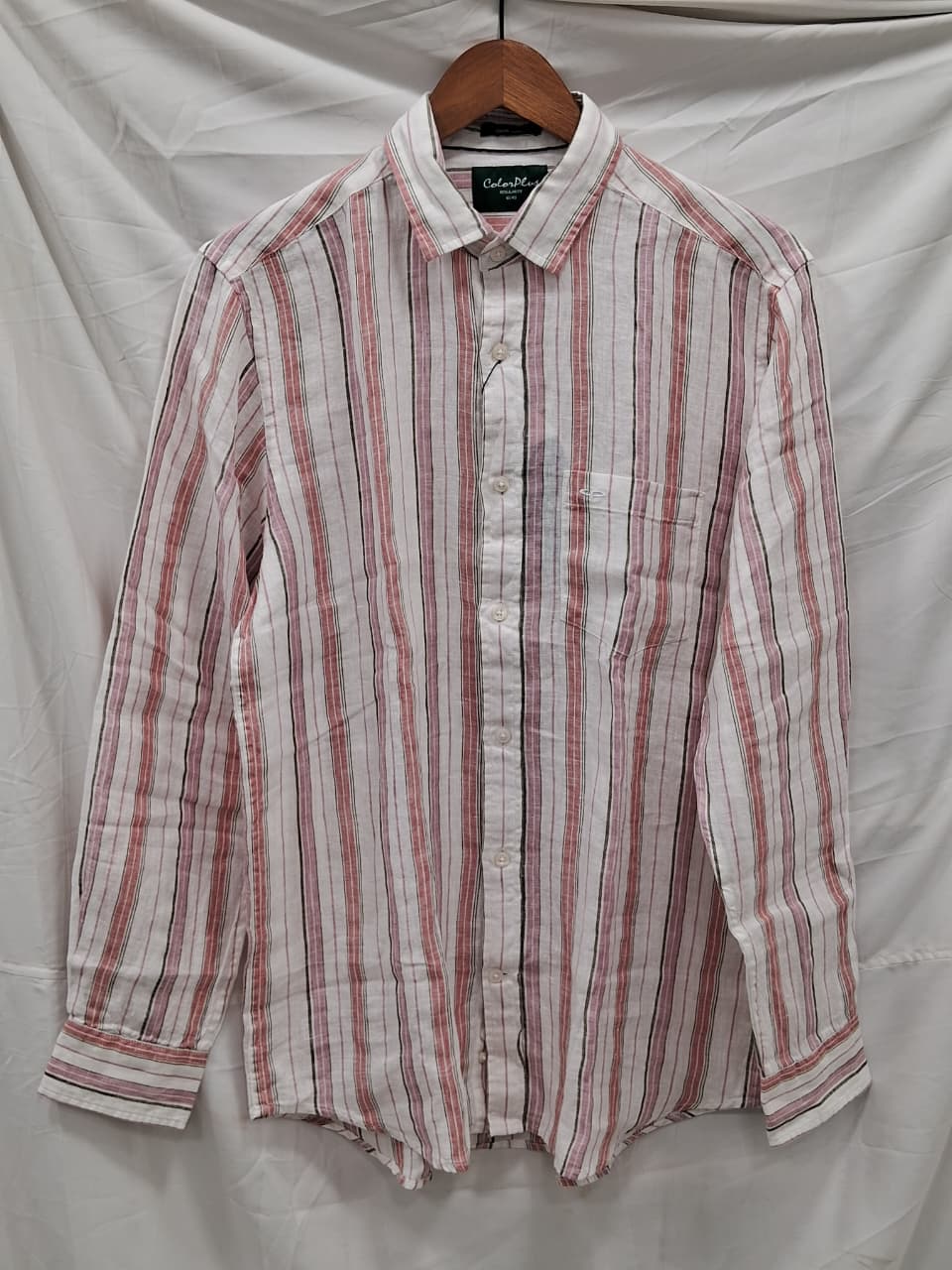
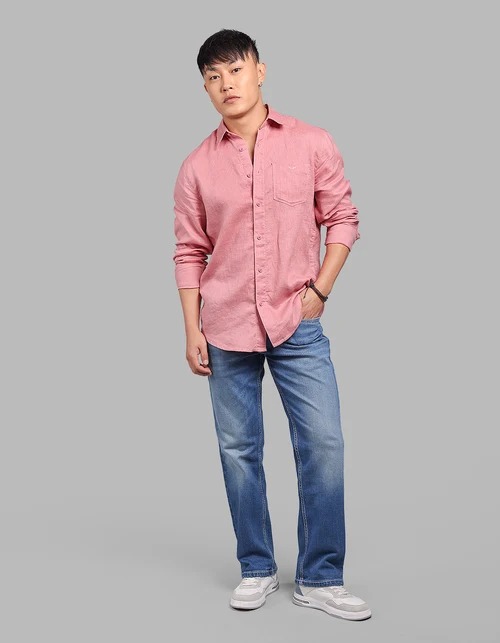
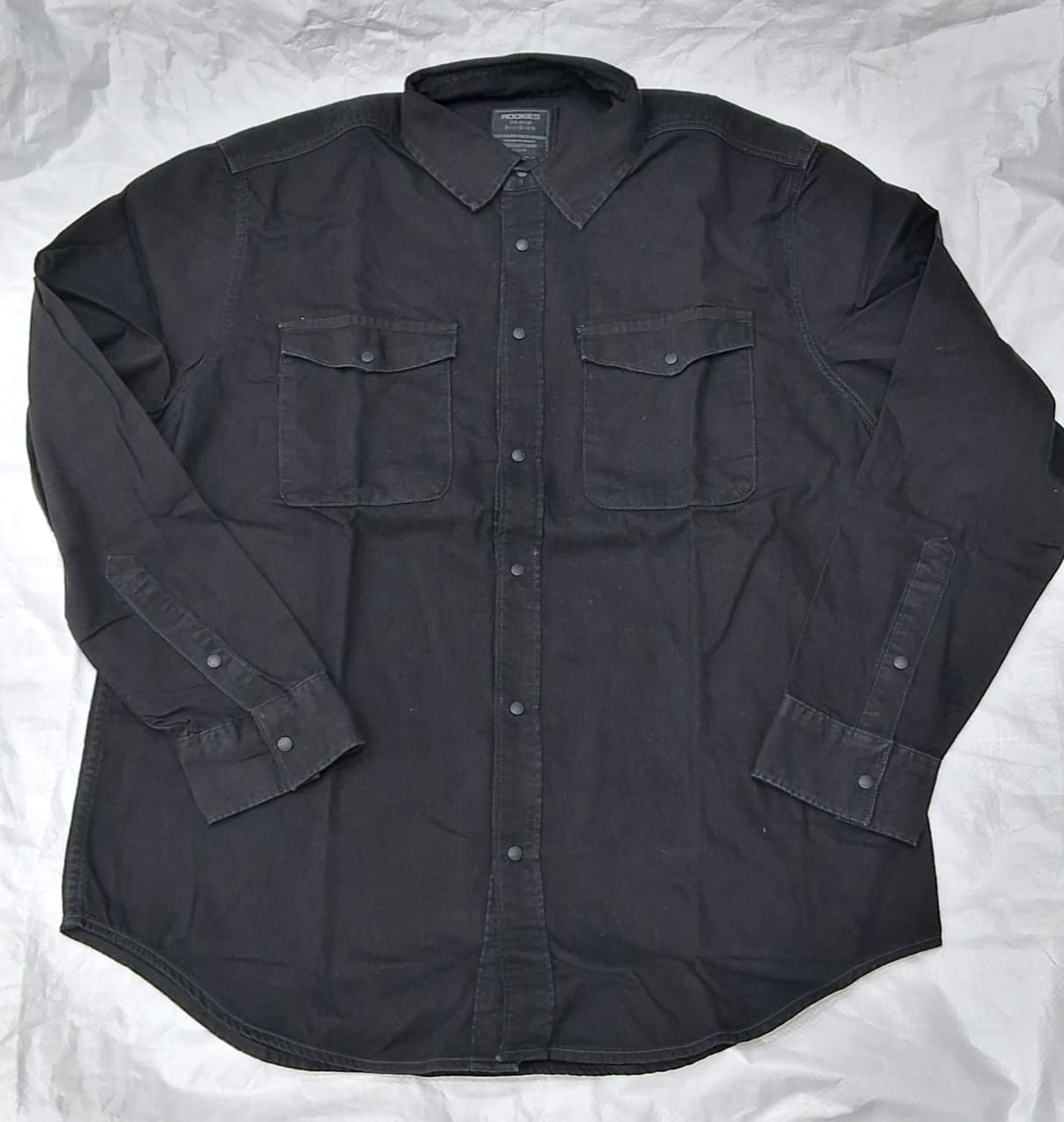
For most of the last century, the office had a uniform. A pale shirt, a dark suit, a tie knotted to the collar — the same silhouette repeated from one desk to the next. Today the office is a meeting room, a train carriage, a client's lobby and a video call, sometimes before lunch. The shirt has had to learn all of those rooms.
The formal shirt began as an undergarment. Through the nineteenth and early twentieth centuries, only the collar and cuffs were meant to be seen, and they were often detachable, starched stiff and replaced daily. As tailoring relaxed, the attached collar arrived and the shirt itself became a visible, considered garment.
By mid-century, corporate dress codes had hardened into rules: white or pale blue, plain or finely striped, worn under a jacket and tie. Rank was read through small details — a crisp collar, a precise cuff, the quality of the cloth. The office shirt was less about personality than conformity.
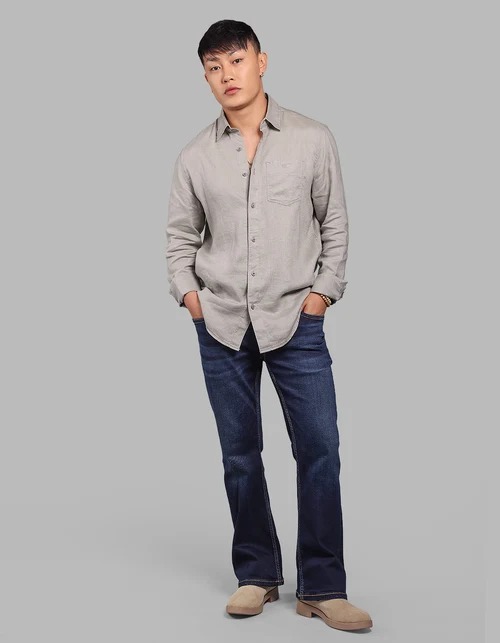
The late twentieth century loosened those rules. Business casual, open collars and the absence of a jacket shifted attention to the shirt alone. With nothing layered over it, fit, fabric and colour suddenly carried the whole outfit.
Modern workplaces have pushed further. Hybrid schedules, open-plan offices and long commutes ask a shirt to look sharp at nine and still composed at seven. For professionals in Navi Mumbai, Mumbai and across Maharashtra, climate matters too: breathable cotton and an honest fit outrank stiffness.
What has not changed is the role of the formal shirt. It remains the most worn garment in a working wardrobe — the piece that frames the face, sits under every jacket and appears in every photograph. Choosing it well is the simplest way to look prepared.
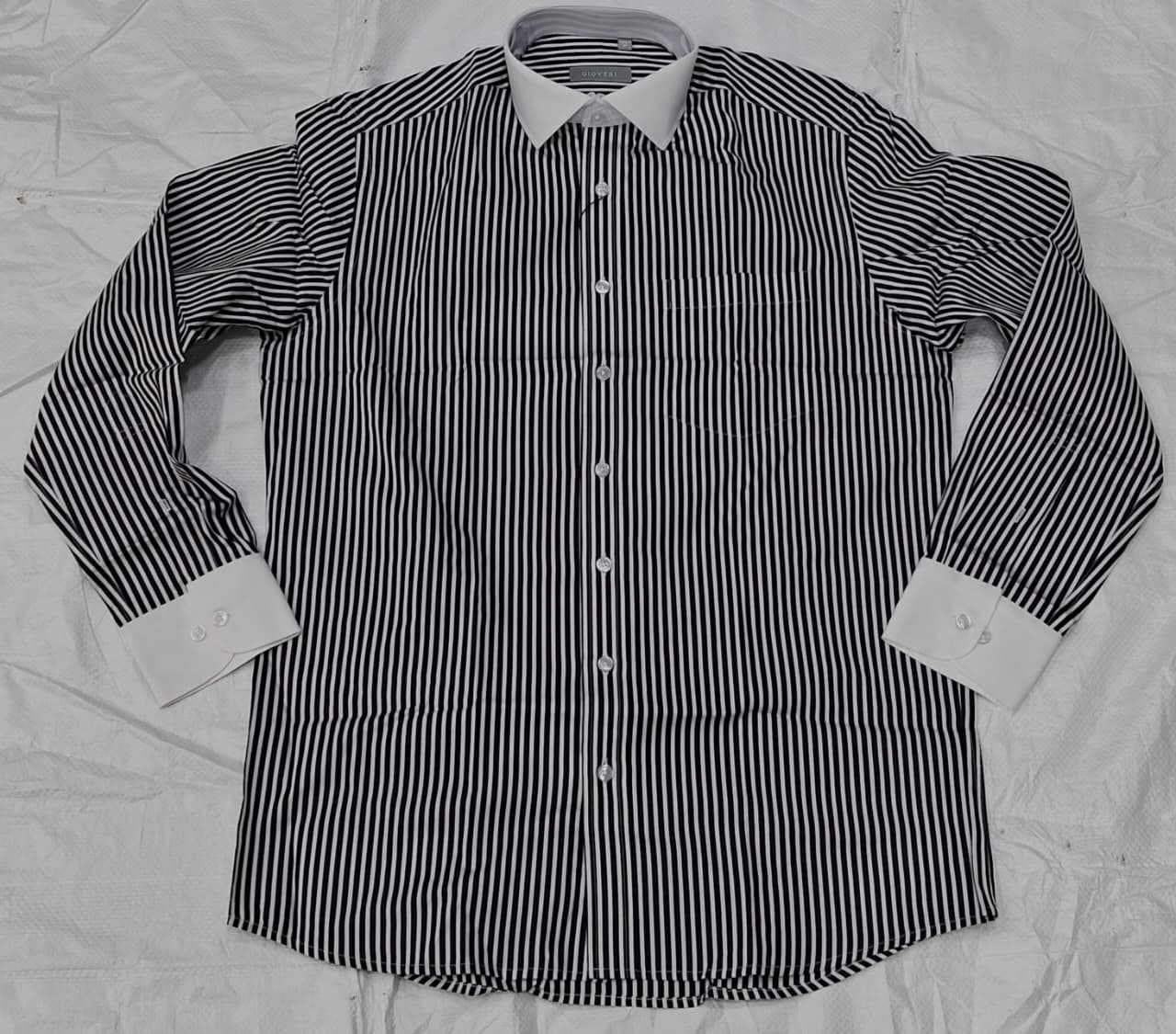
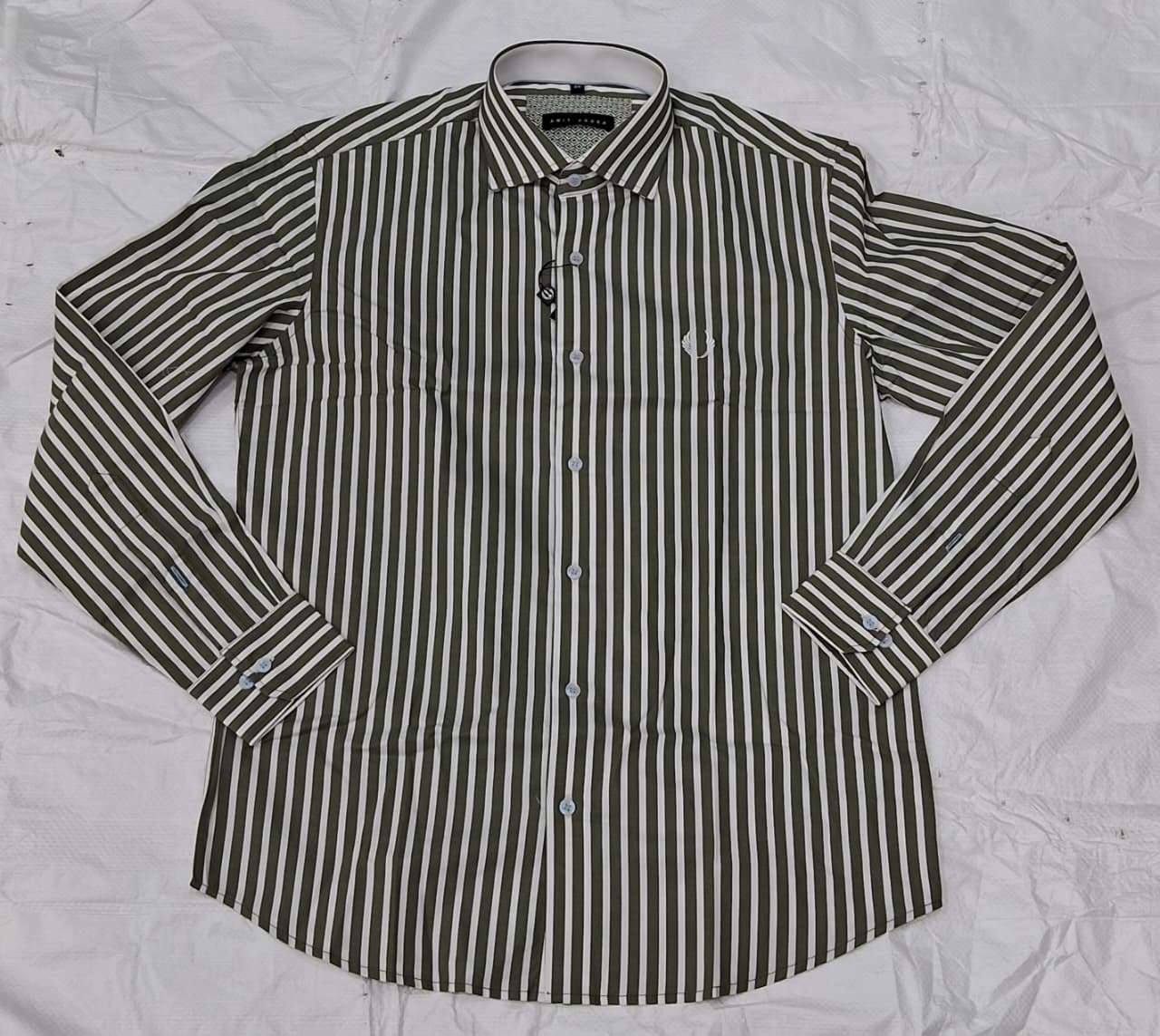
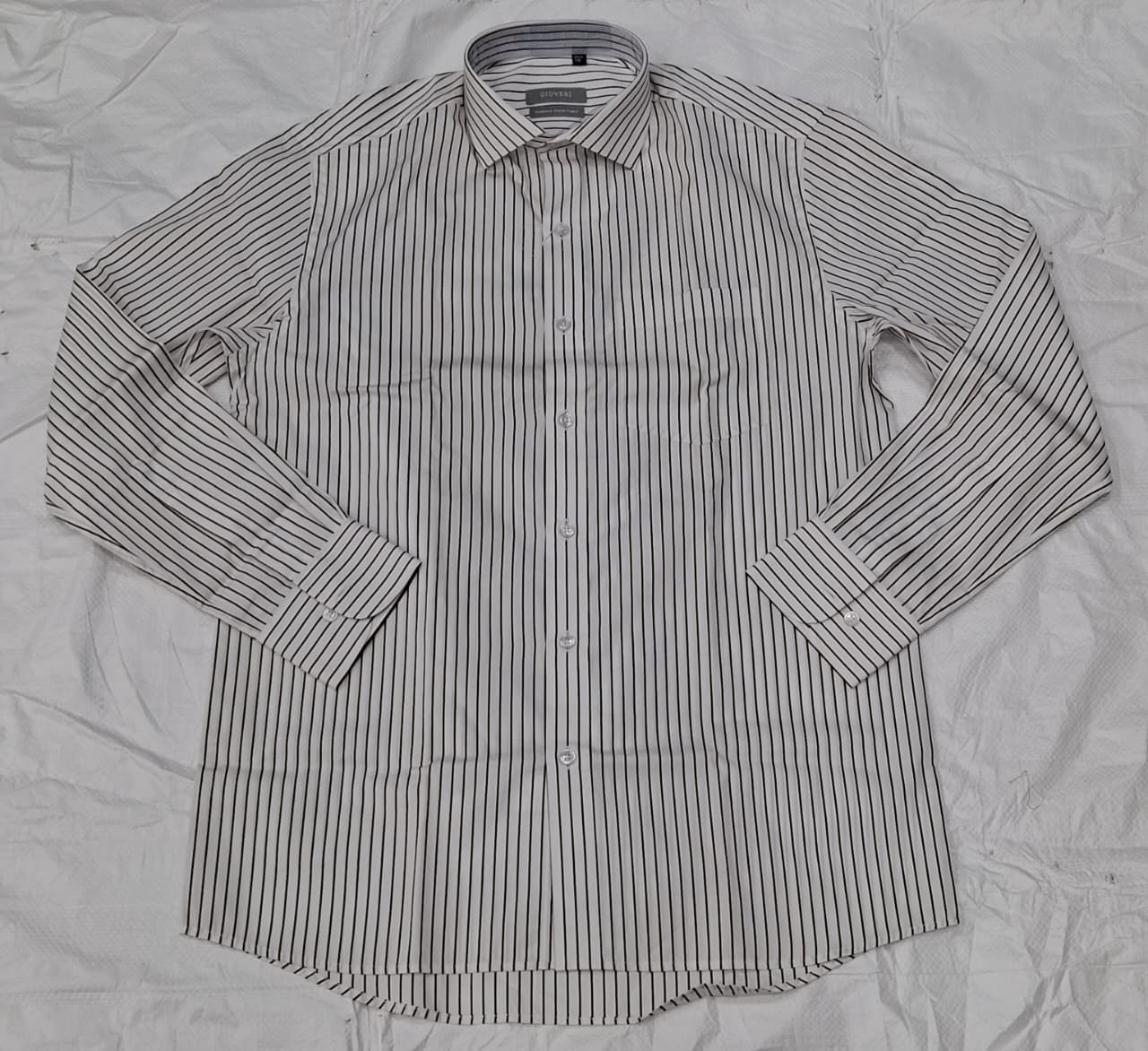
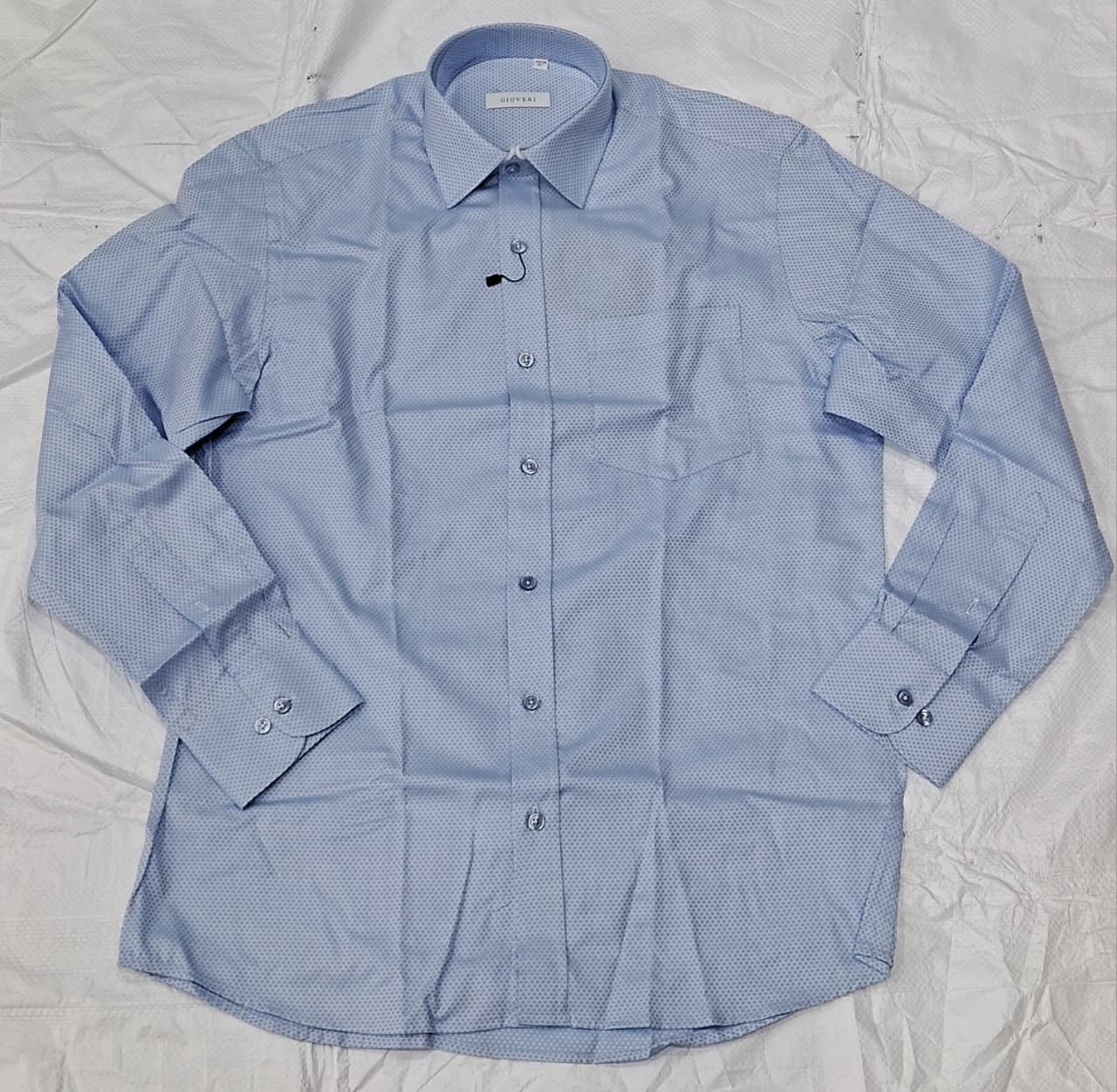
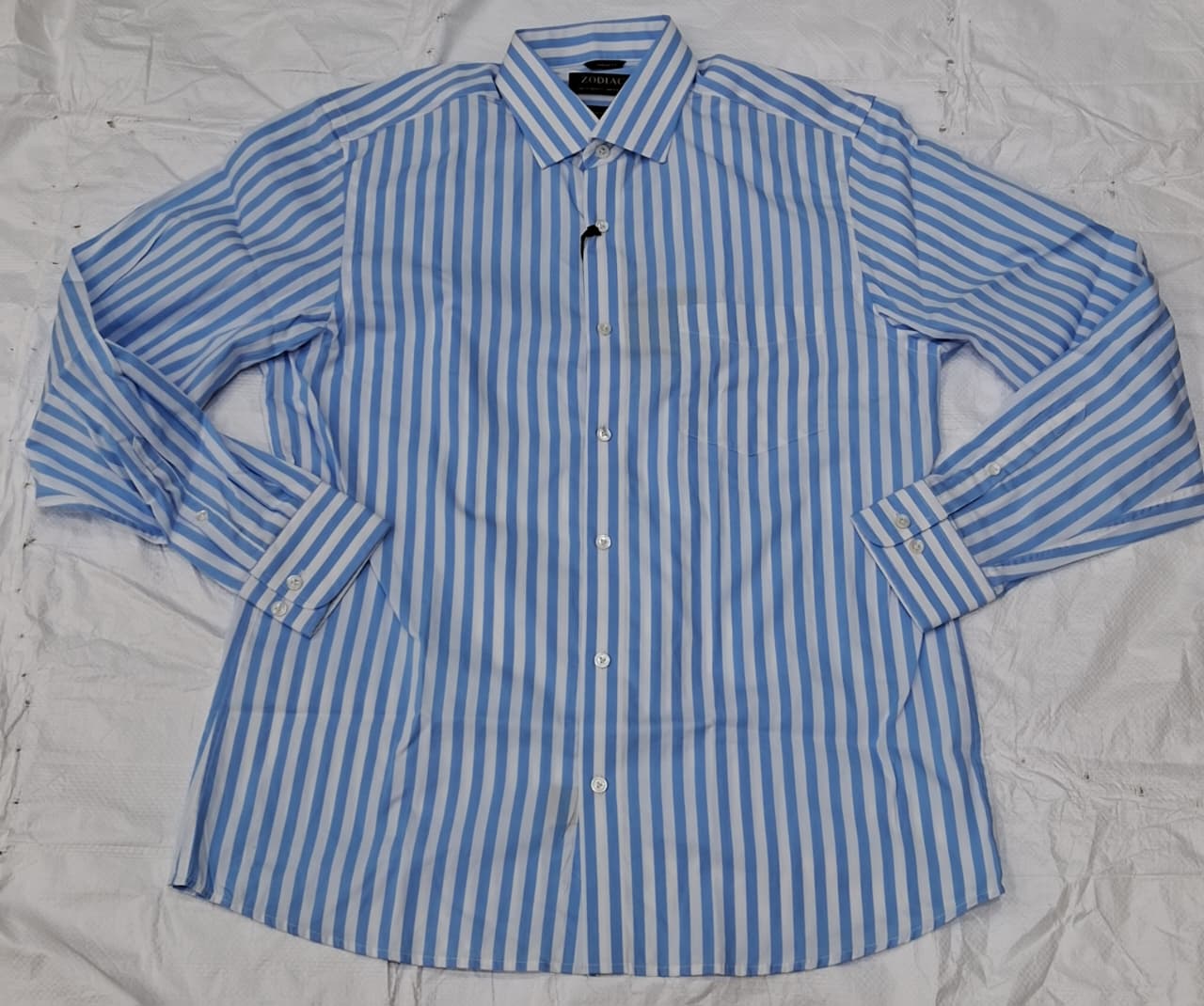
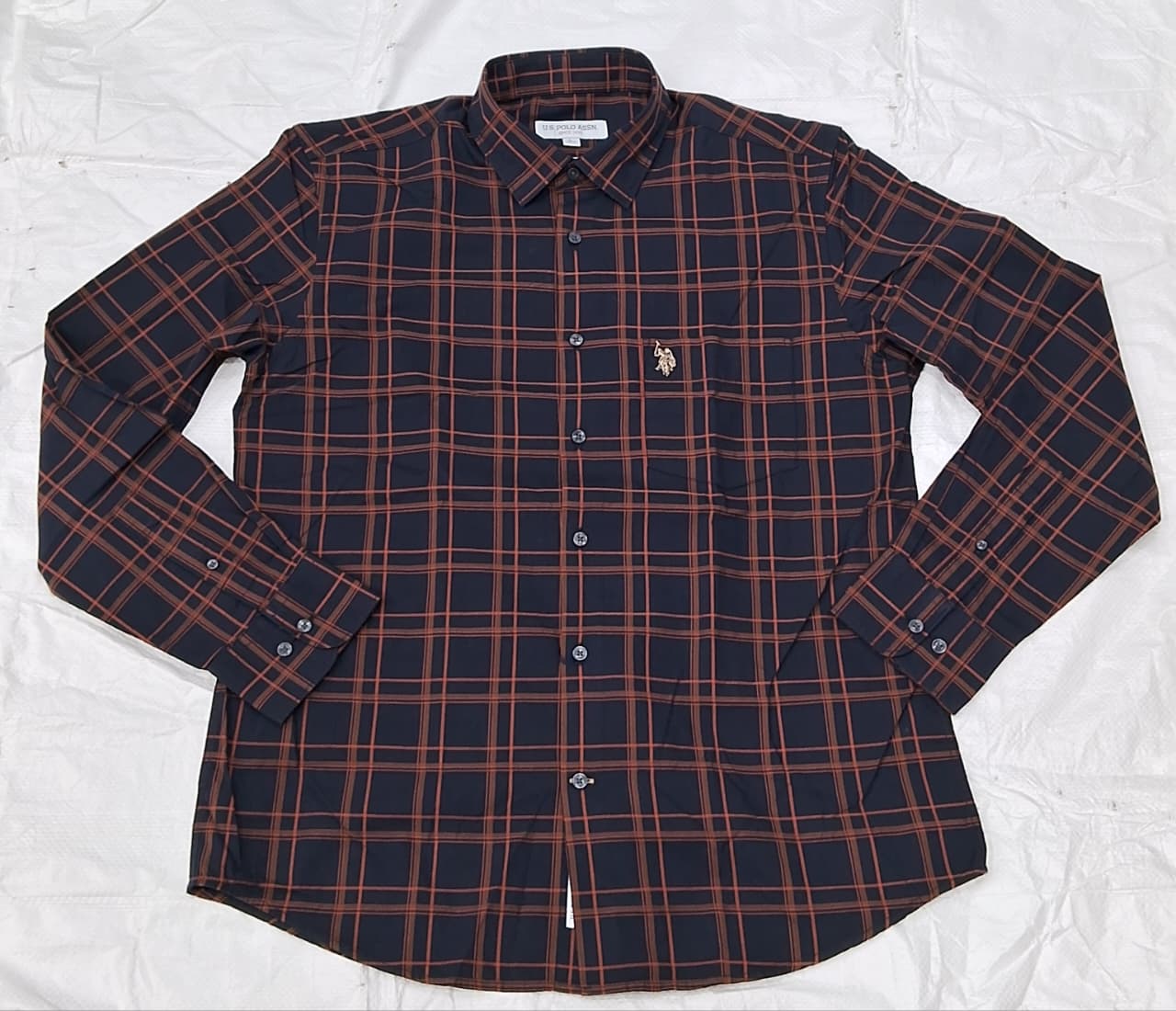
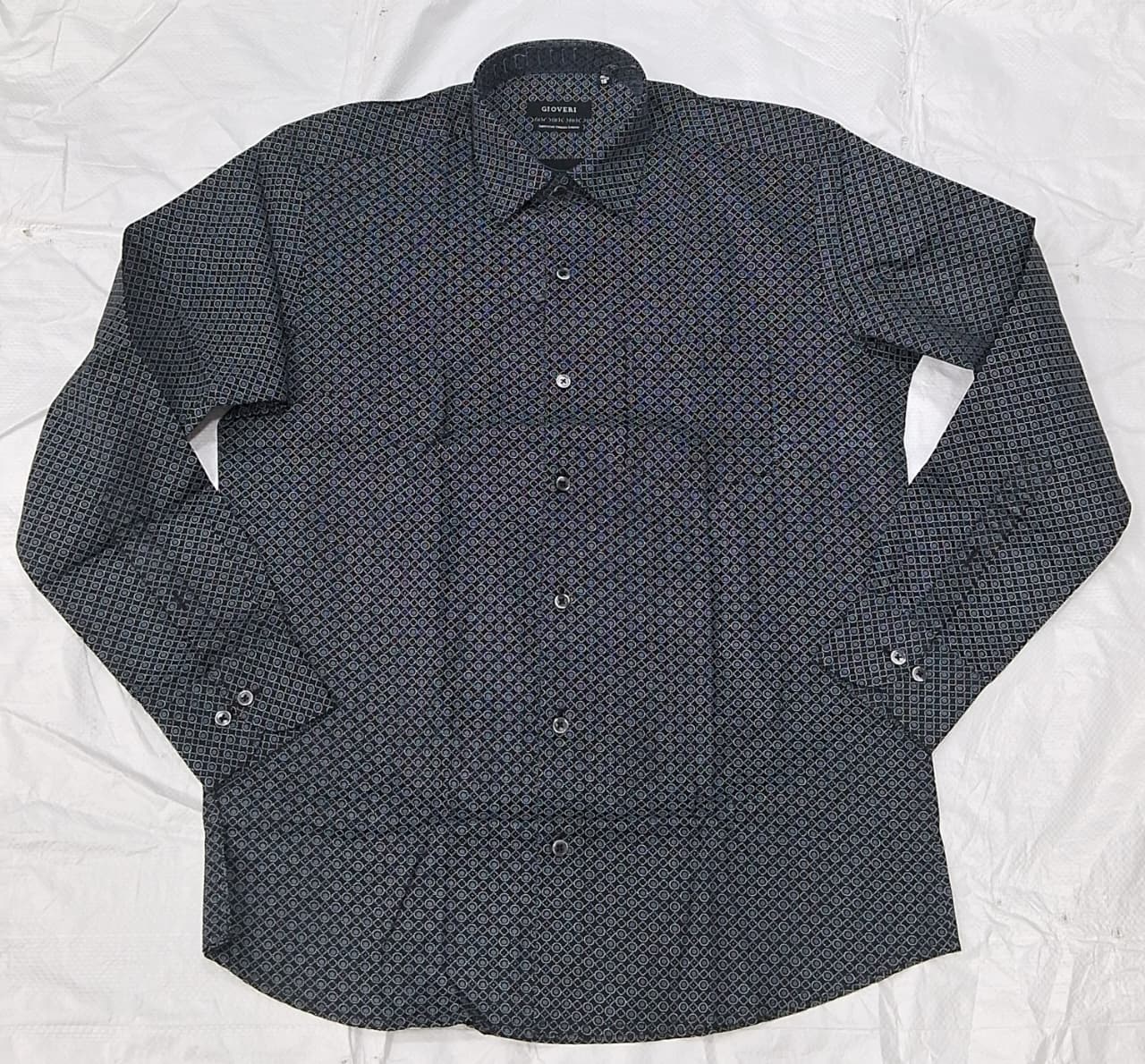
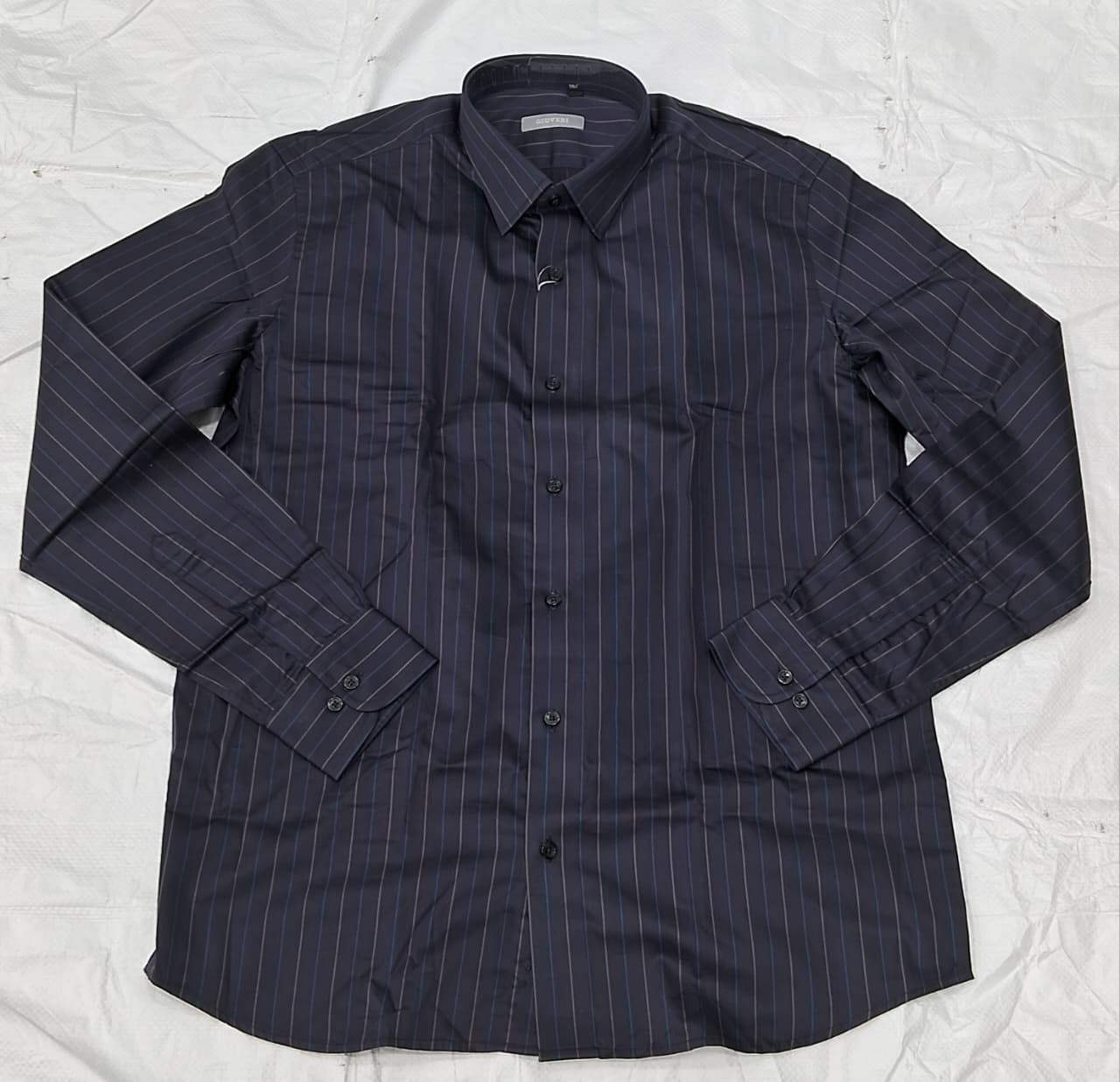
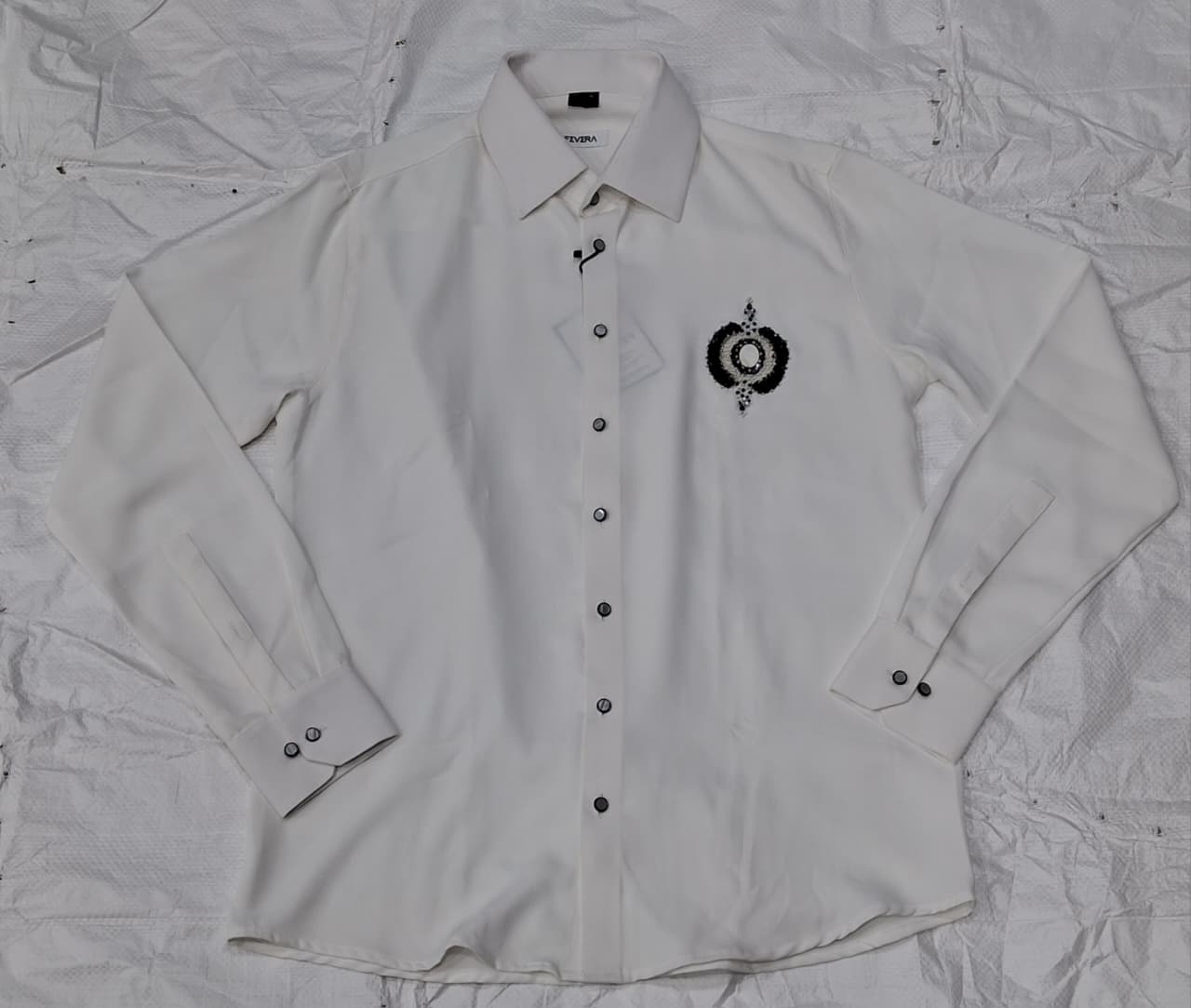
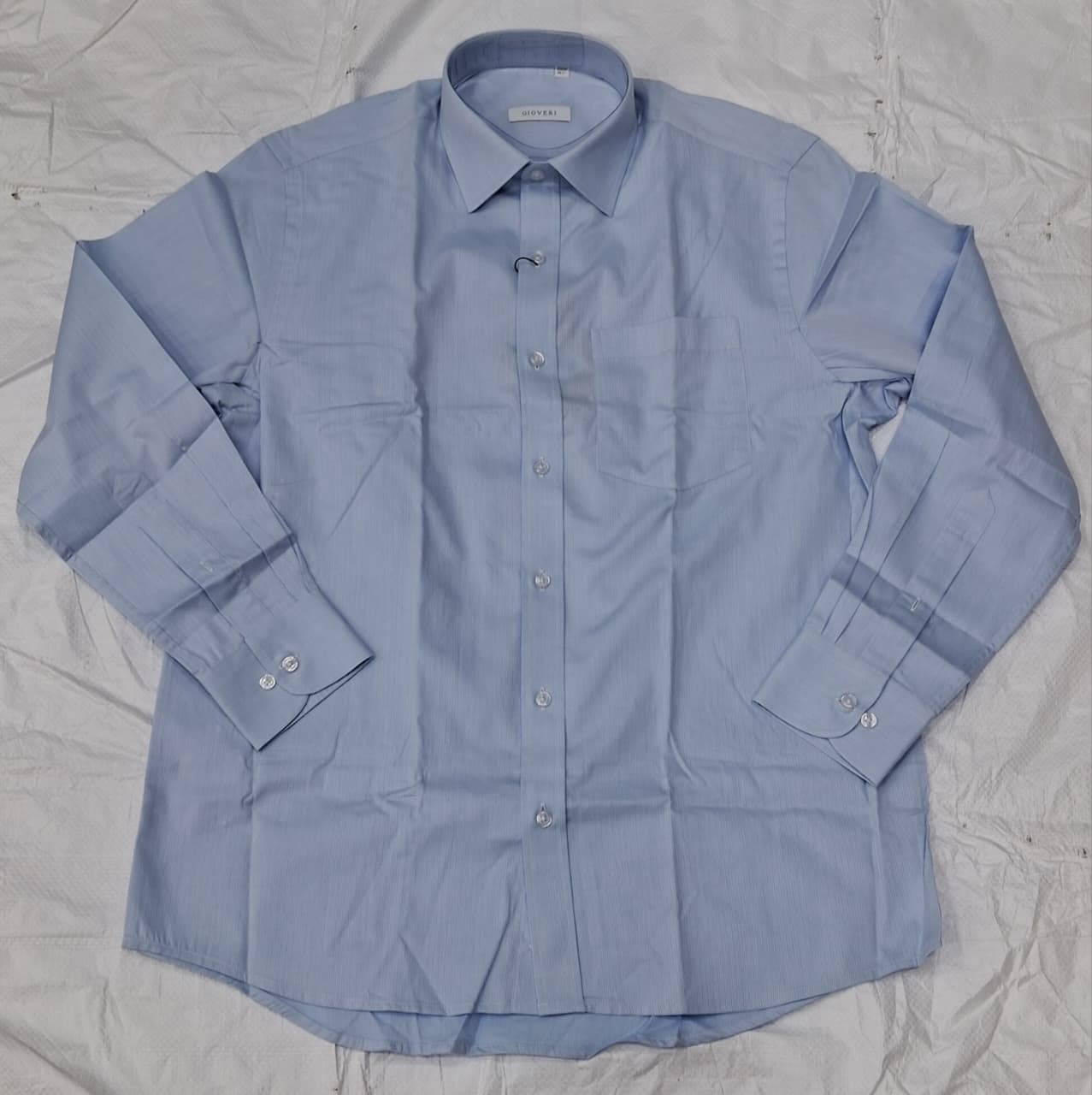
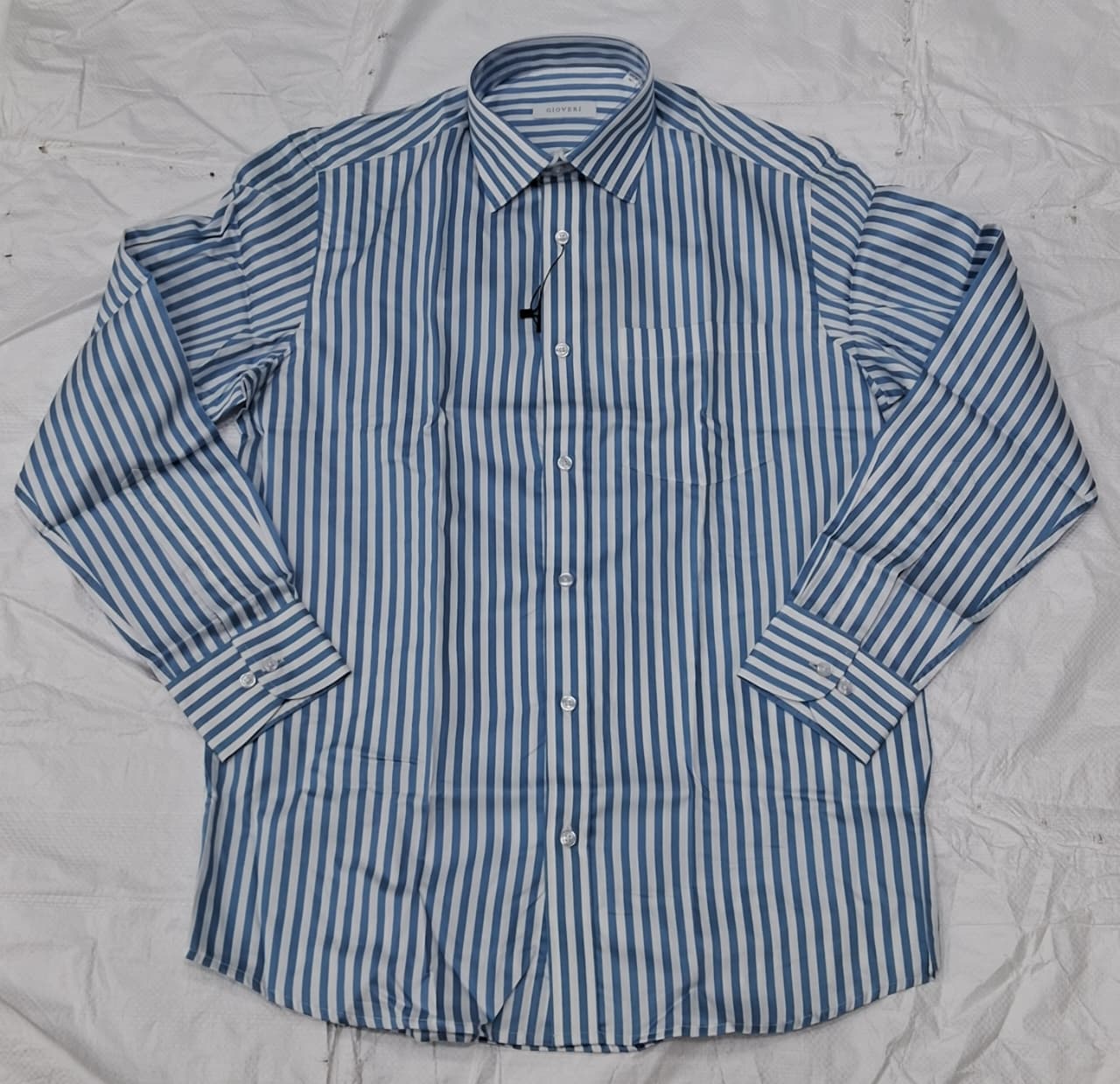
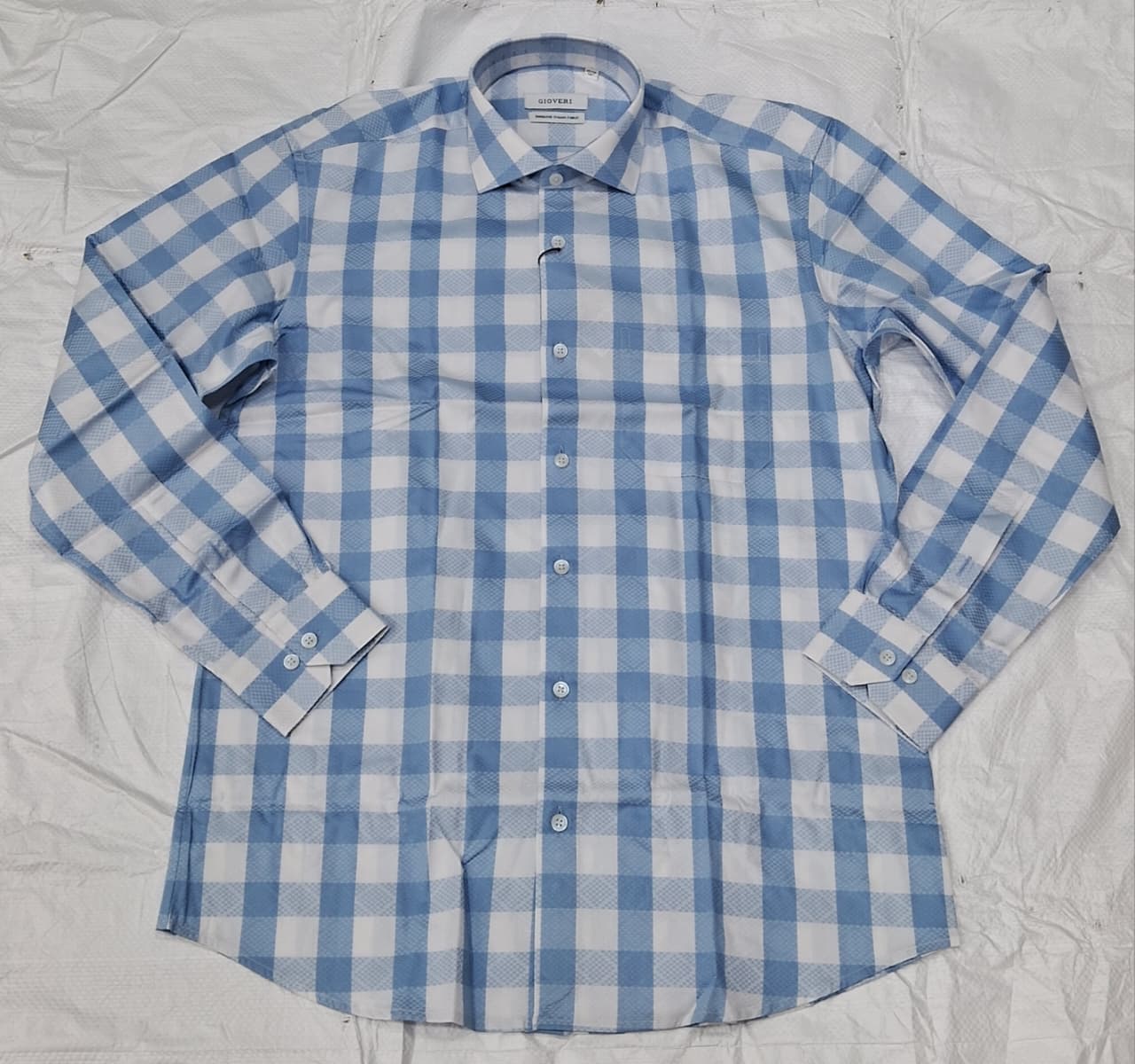
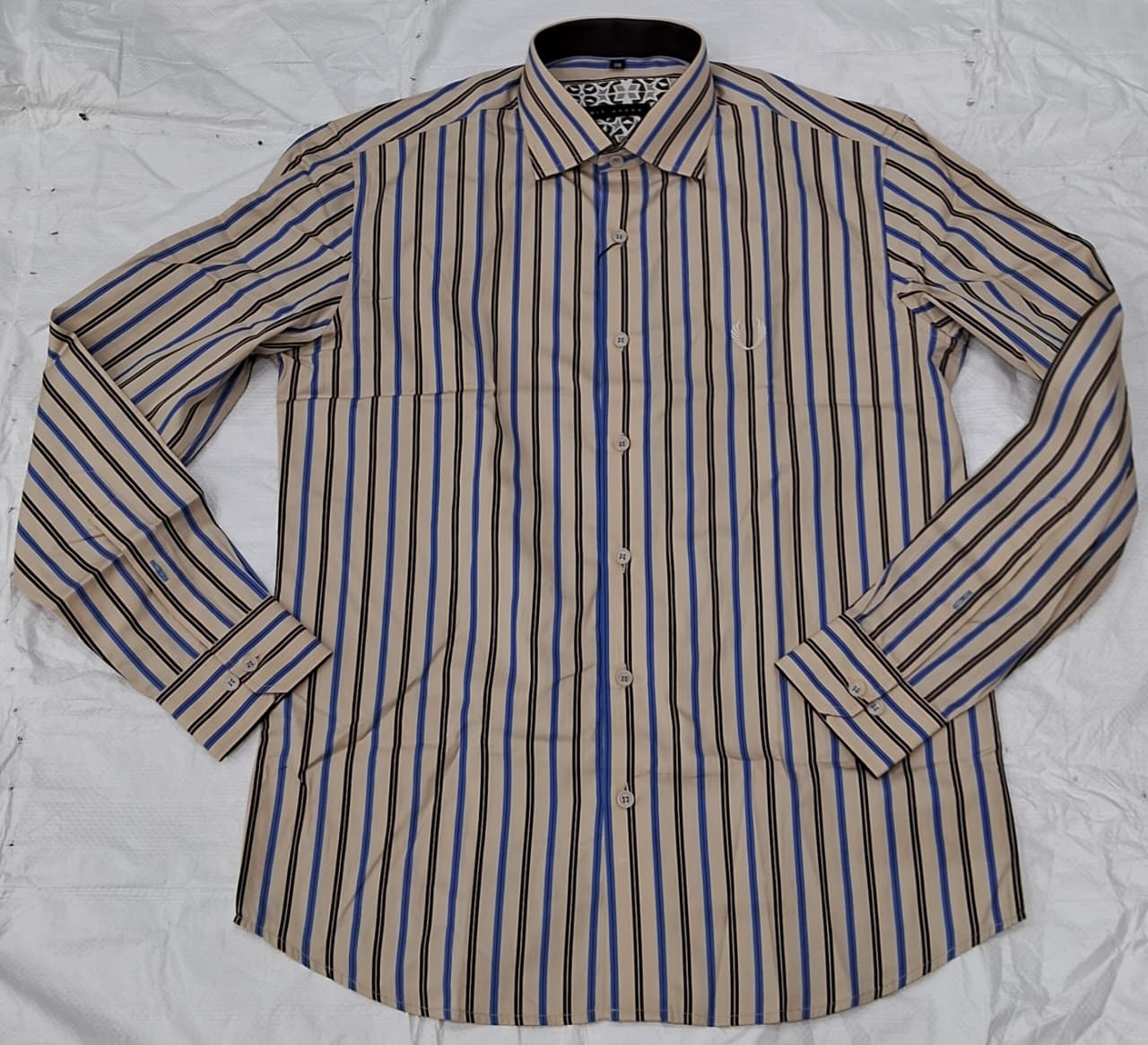
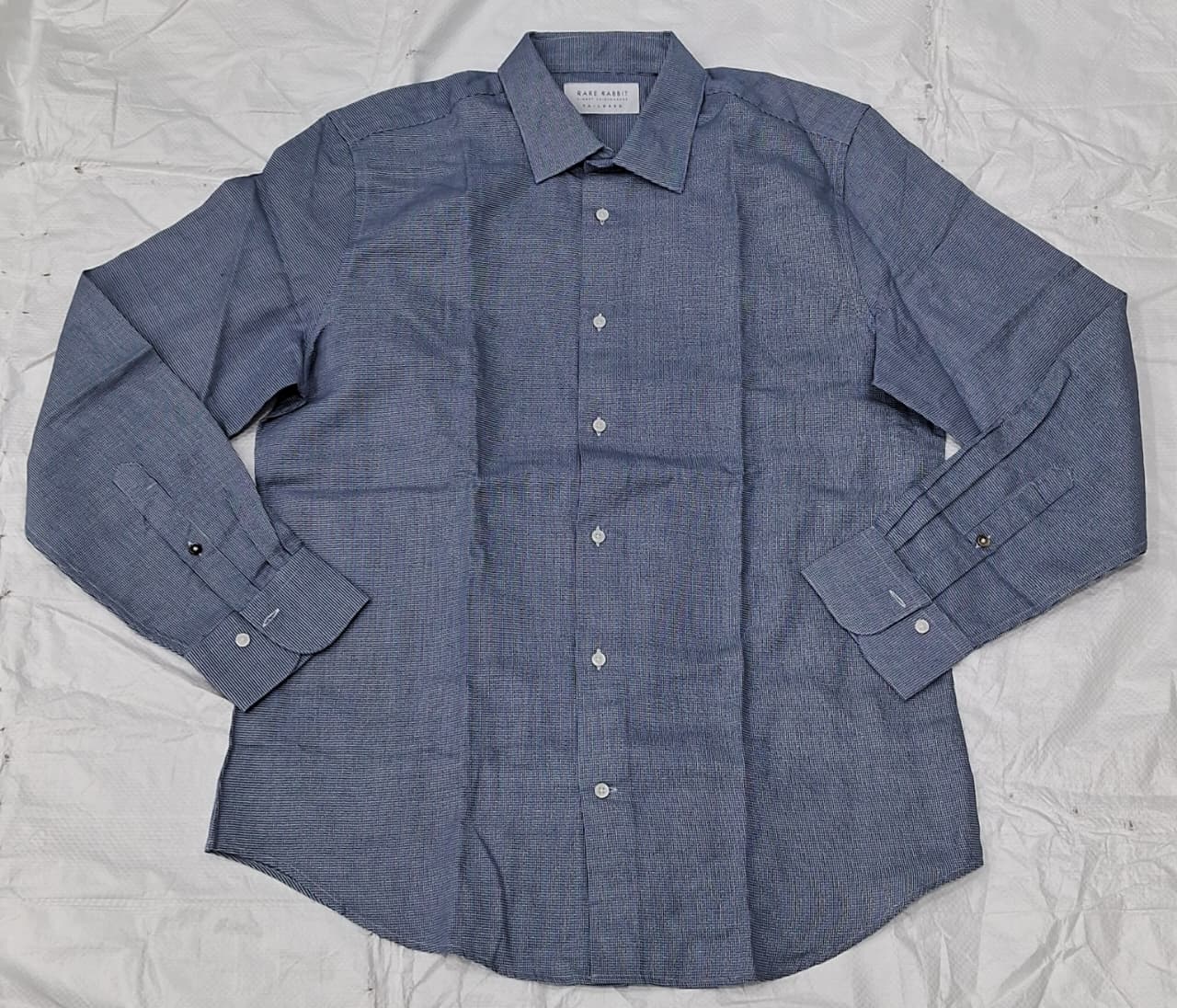
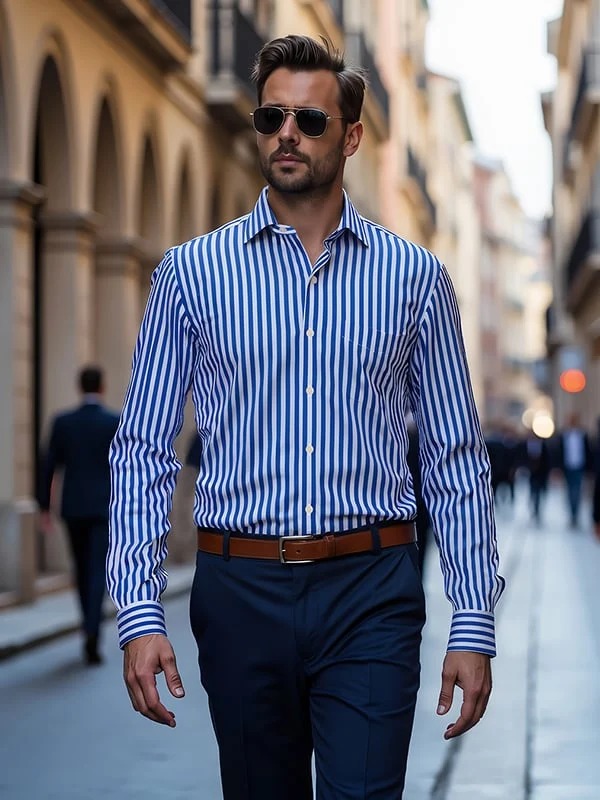
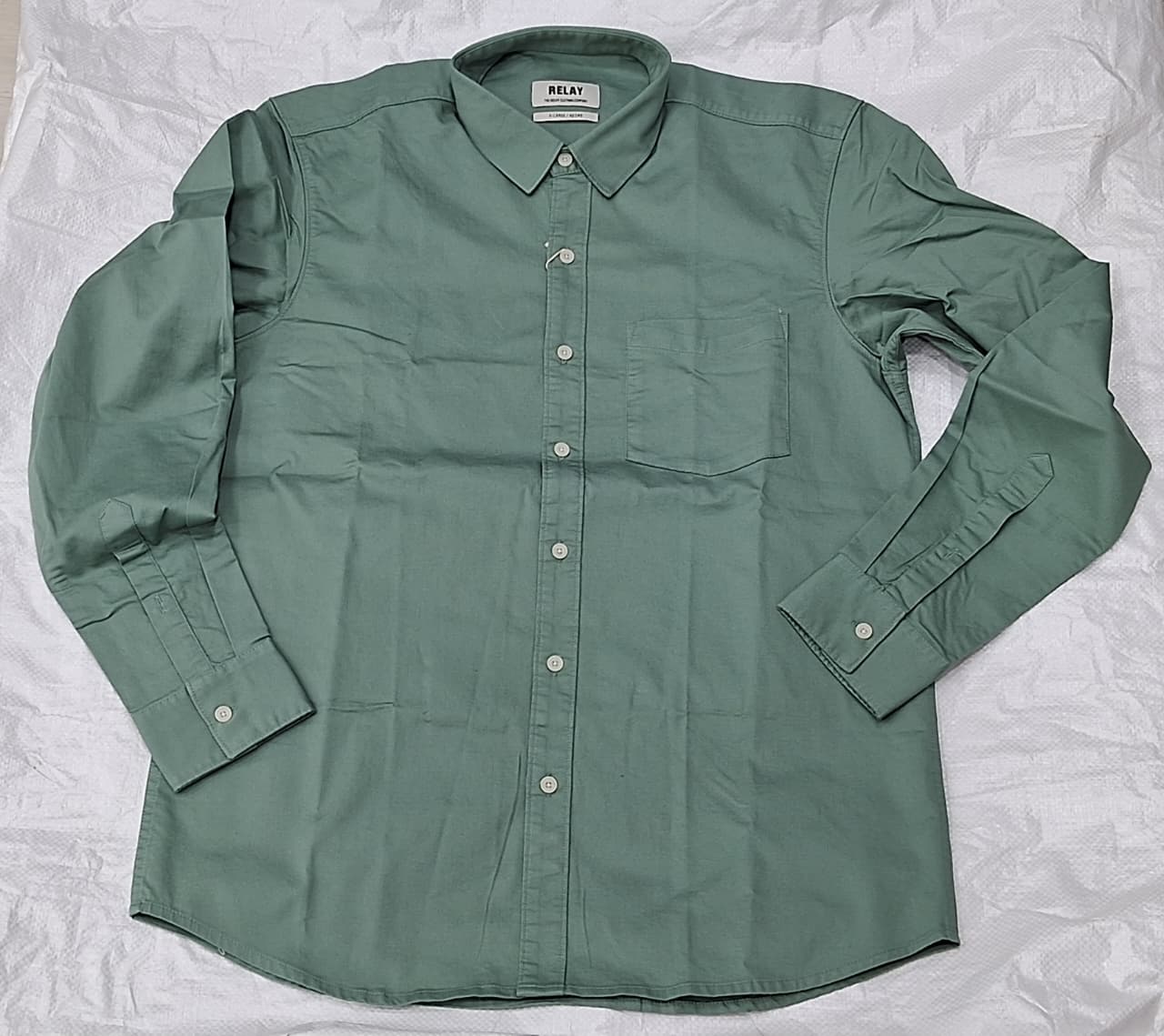
The new office look is a balance: enough structure to signal professionalism, enough individuality to look like yourself. A well-cut white shirt, a confident stripe, a quiet check — each can be a personal statement without breaking the room's dress code.