Navi Mumbai / India

  1. Home
  2. Fit & Fabric

FitFabric — office shirt fit and fabric guide

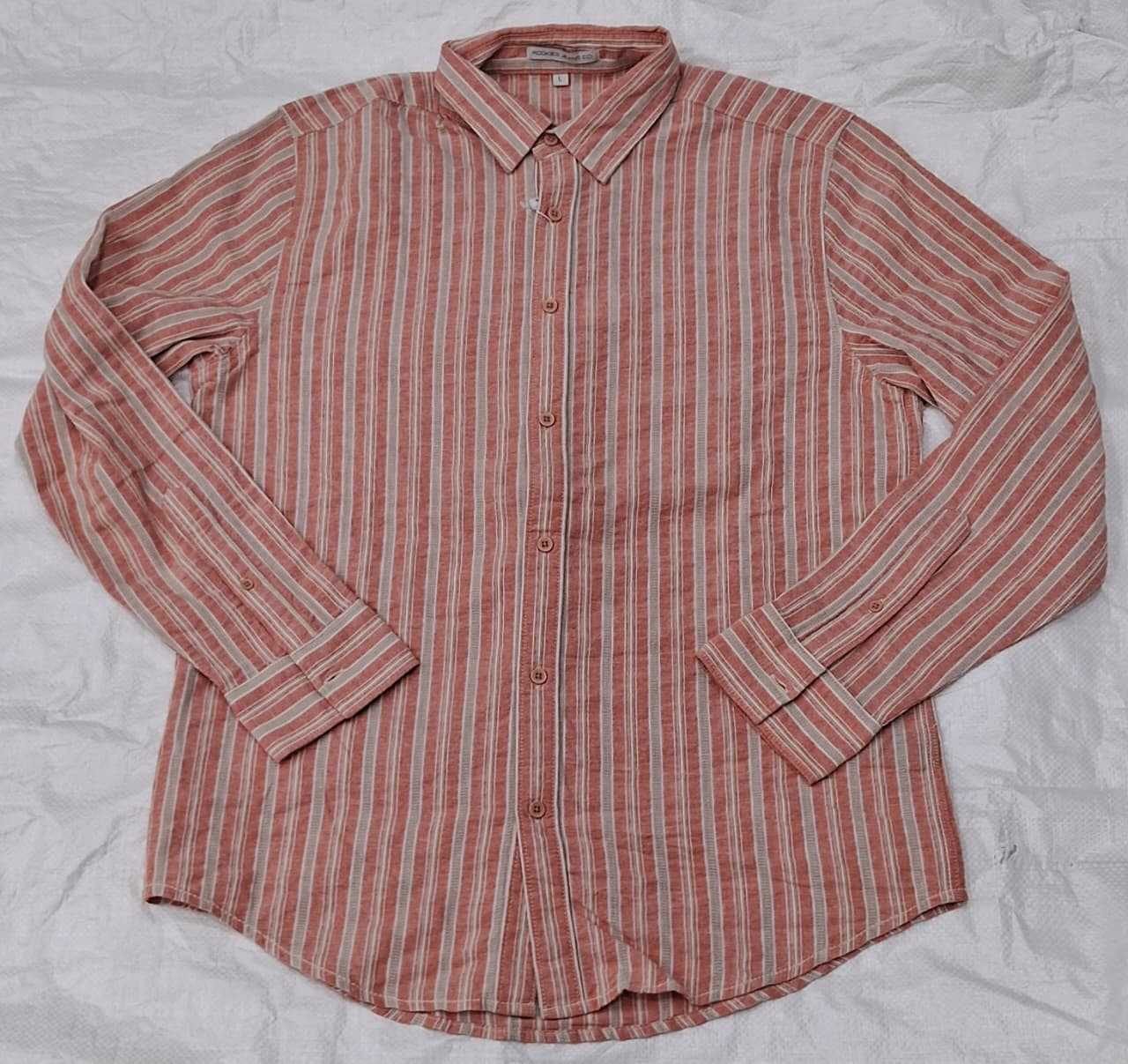
Salmon striped shirt laid flat
Sample 00Salmon stripe — reference garment

Research notes

How a shirt fits and what it is made from determine how it looks at nine in the morning and how it feels at seven at night. These notes explain slim-fit and regular-fit office shirts, the main shirting fabrics, and the construction details that separate a good shirt from an ordinary one.

01 — Fits02 — Fabrics03 — Construction

01

Three fits,
compared

The diagram overlays the three silhouettes on one torso. The differences are small on paper and obvious in the mirror.

WAIST
  • Slim
  • Tailored
  • Regular

Fit A

Slim fit

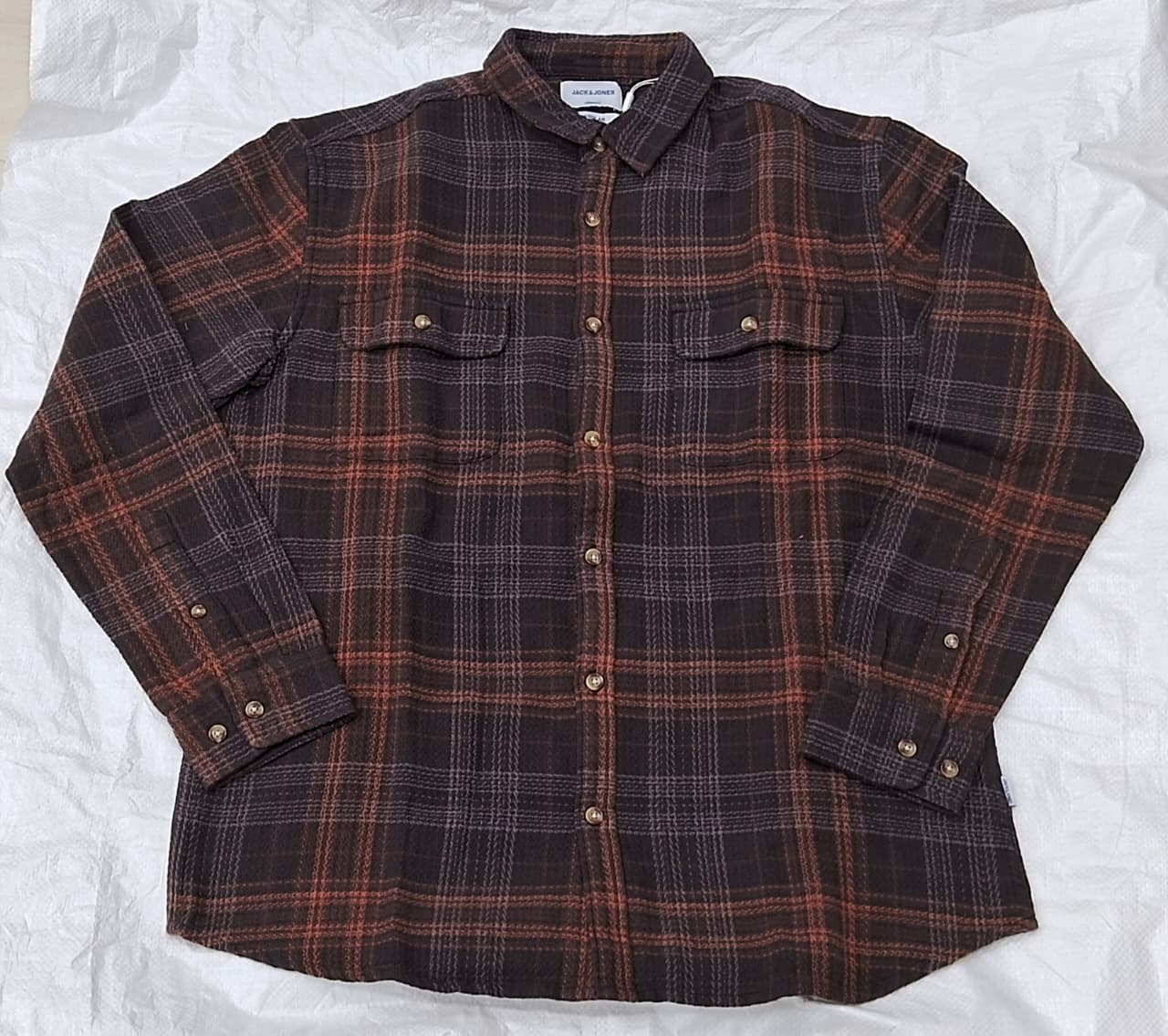
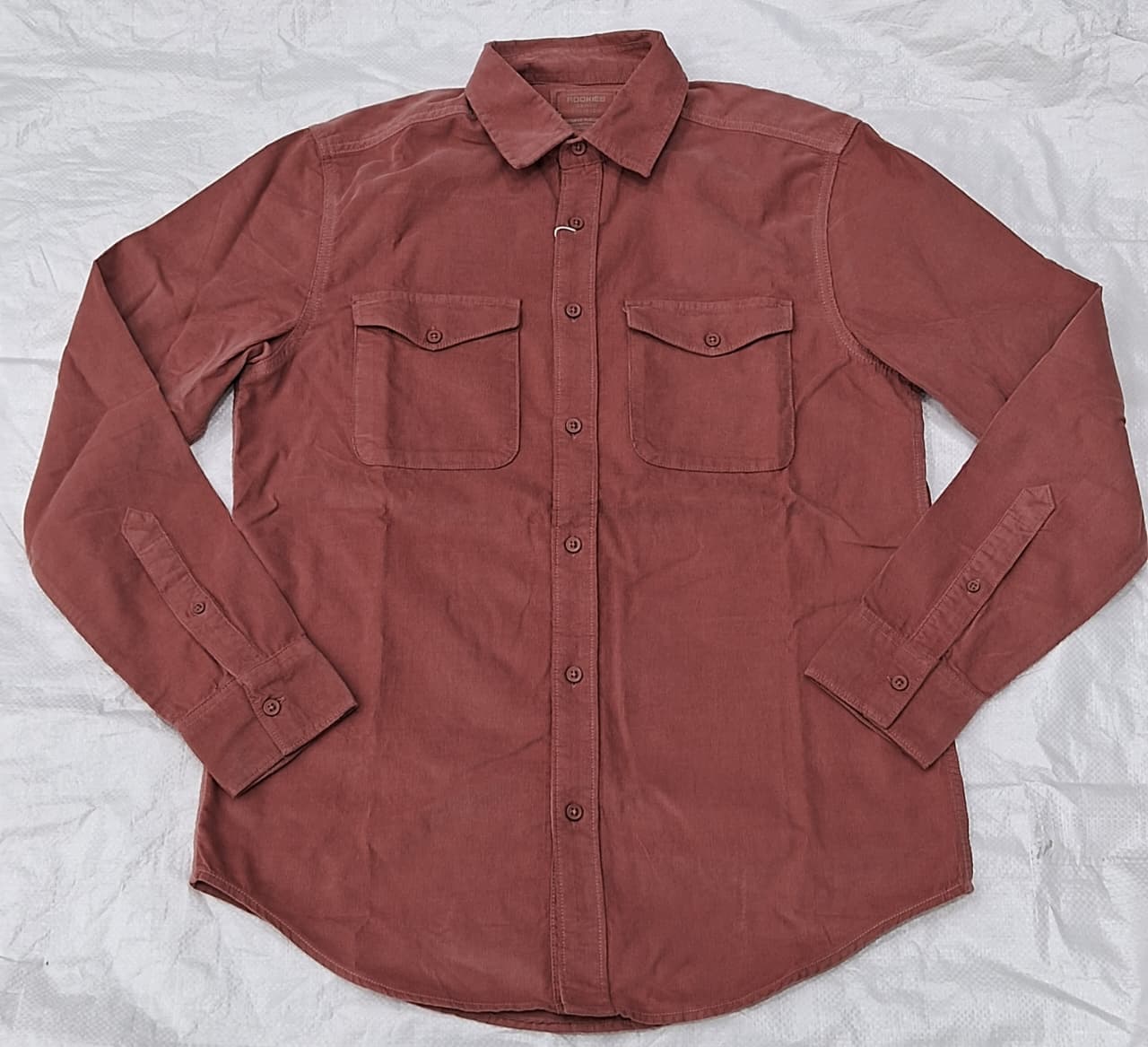
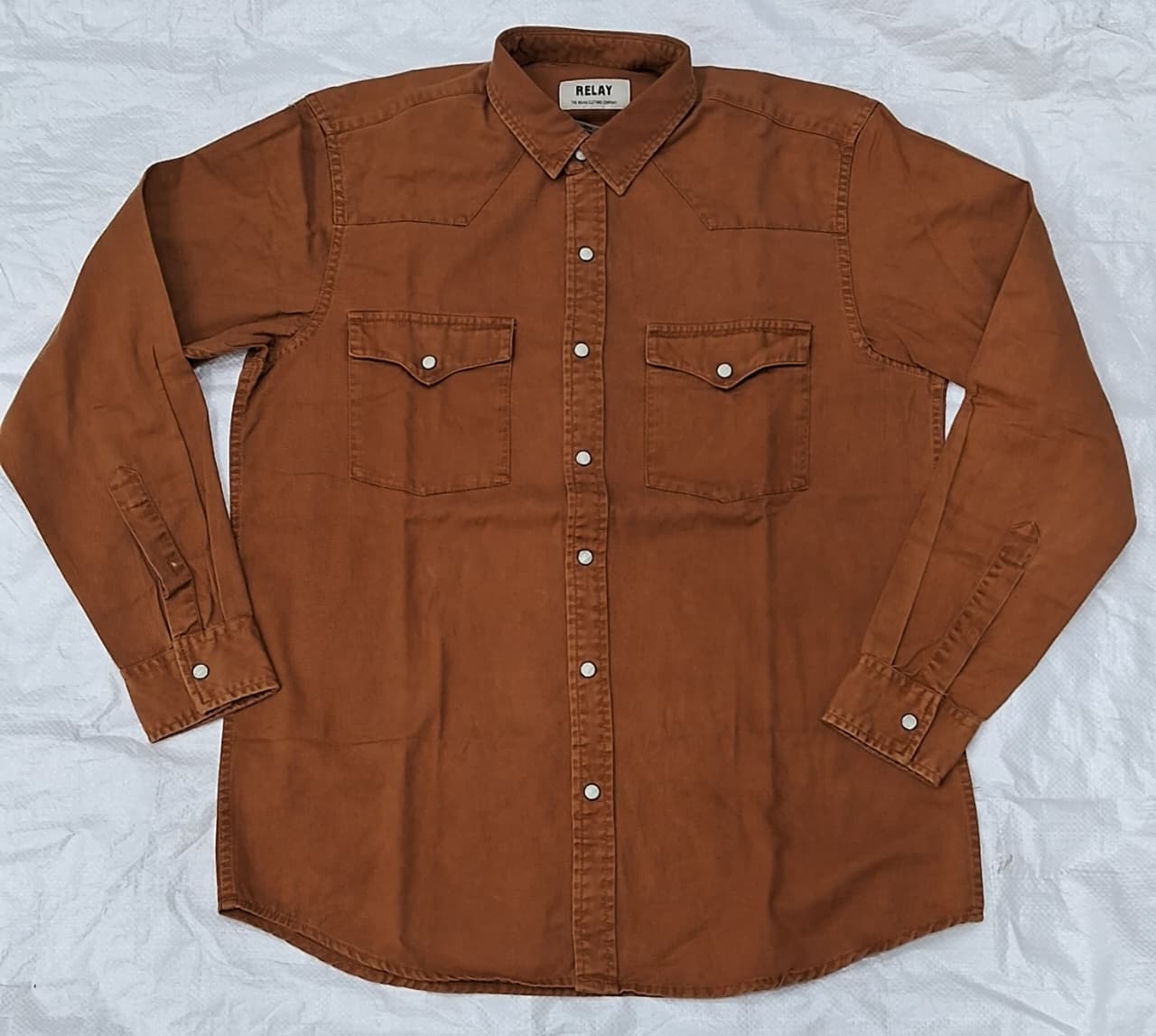
Rust shirt with two flap pockets

Cut close through the chest, waist and sleeve, often with back darts. A slim fit creates a lean, modern line and sits cleanly under fitted tailoring.

Check in the mirror

  • Shoulder seam on the shoulder bone
  • No pulling across the buttons
  • Sleeve narrows without gripping the forearm
  • Back darts or shaped seams remove excess fabric

Best forLean and athletic builds; modern suits; tucked into tapered trousers.
Fit B

Regular fit

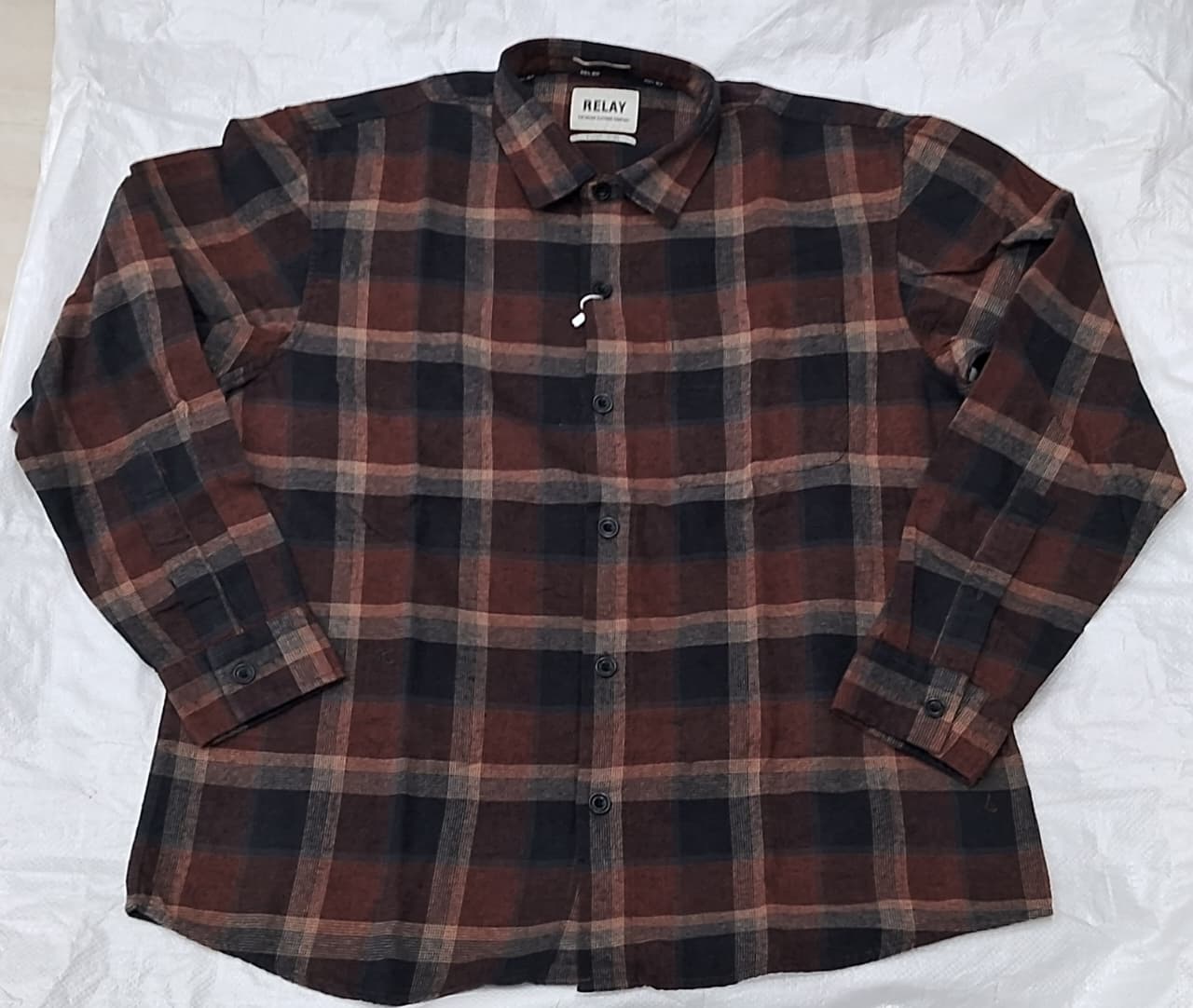
Red and black checked shirt

A straighter line from armhole to hem, with room through the chest and waist. Regular fit prioritises comfort, airflow and freedom of movement.

Check in the mirror

  • Roughly a hand's width of ease at the waist
  • Armholes allow a full reach without strain
  • Length deep enough to stay tucked
  • Shoulders sit naturally, not dropped

Best forBroader builds; long days and commutes; classic tailoring.

Fit C

Tailored fit

Red plaid shirt with flap pockets

The middle path: shaped at the waist but generous enough in the chest and shoulders for natural movement. A tailored fit flatters the widest range of builds.

Check in the mirror

  • Gentle shaping from chest to waist
  • Comfortable when seated and reaching
  • Clean line under a jacket or alone
  • Sleeve and cuff sit at the wrist bone

Best forMost builds; days with or without a jacket.

Size labels are not consistent between brands or cuts. Use the checkpoints above when trying shirts on, and ask the Options Mall team for help with fit.

02

Shirting fabrics

General characteristics of the most common office shirt cloths. Actual fabrics vary by maker, and in-store ranges change — ask the team what is currently available.

SpecimenStructureSurfaceBreathabilityFormalityTypical use

F/01

Cotton

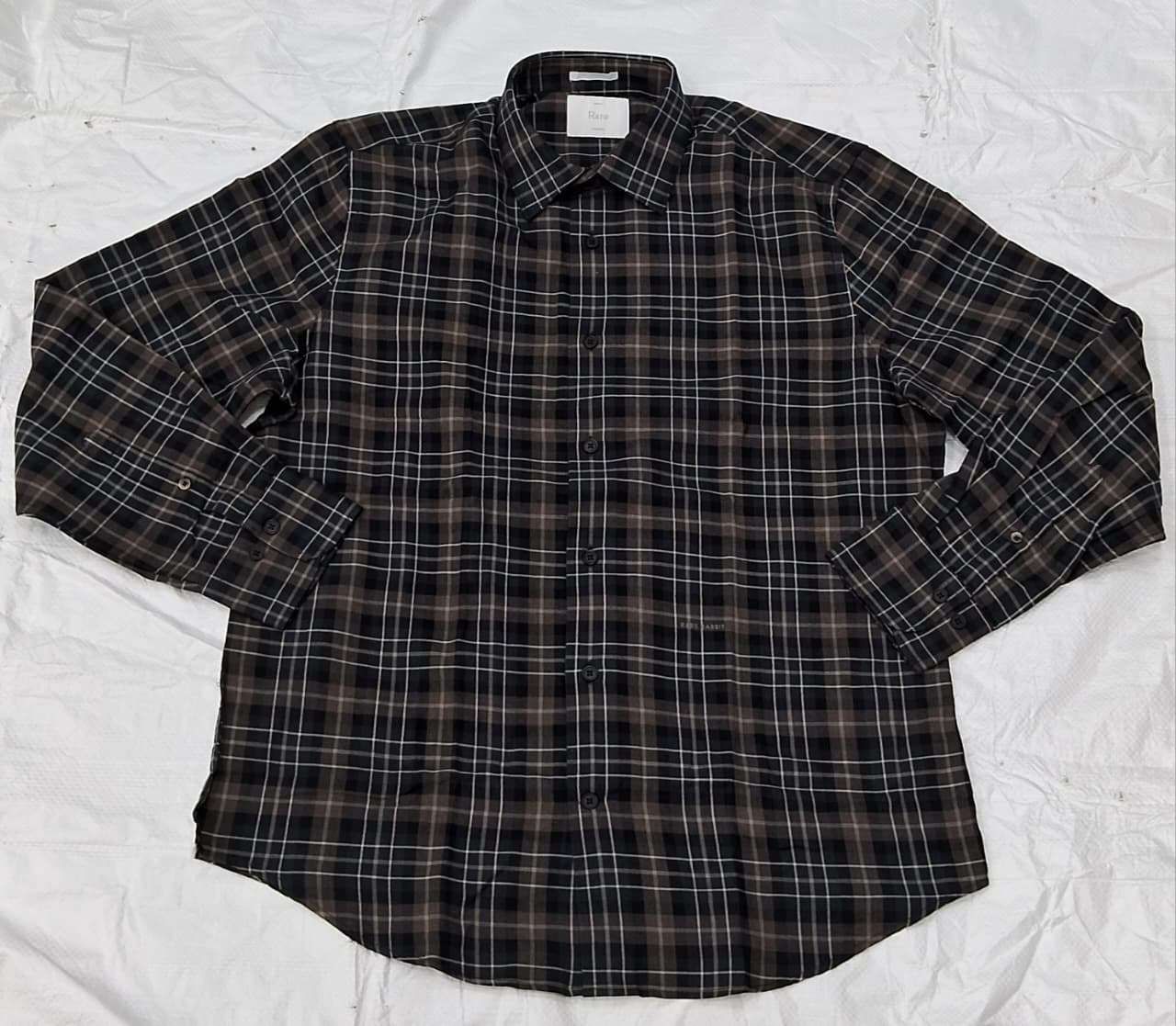
Dark cotton check shirt

The natural fibre behind most office shirts. Breathable, absorbent and comfortable in warm, humid weather. Quality depends on fibre length and the fineness of spinning and weaving.

StructureNatural fibre SurfaceSoft BreathabilityHigh FormalityVaries Typical useEveryday office; warm climates

F/02

Poplin

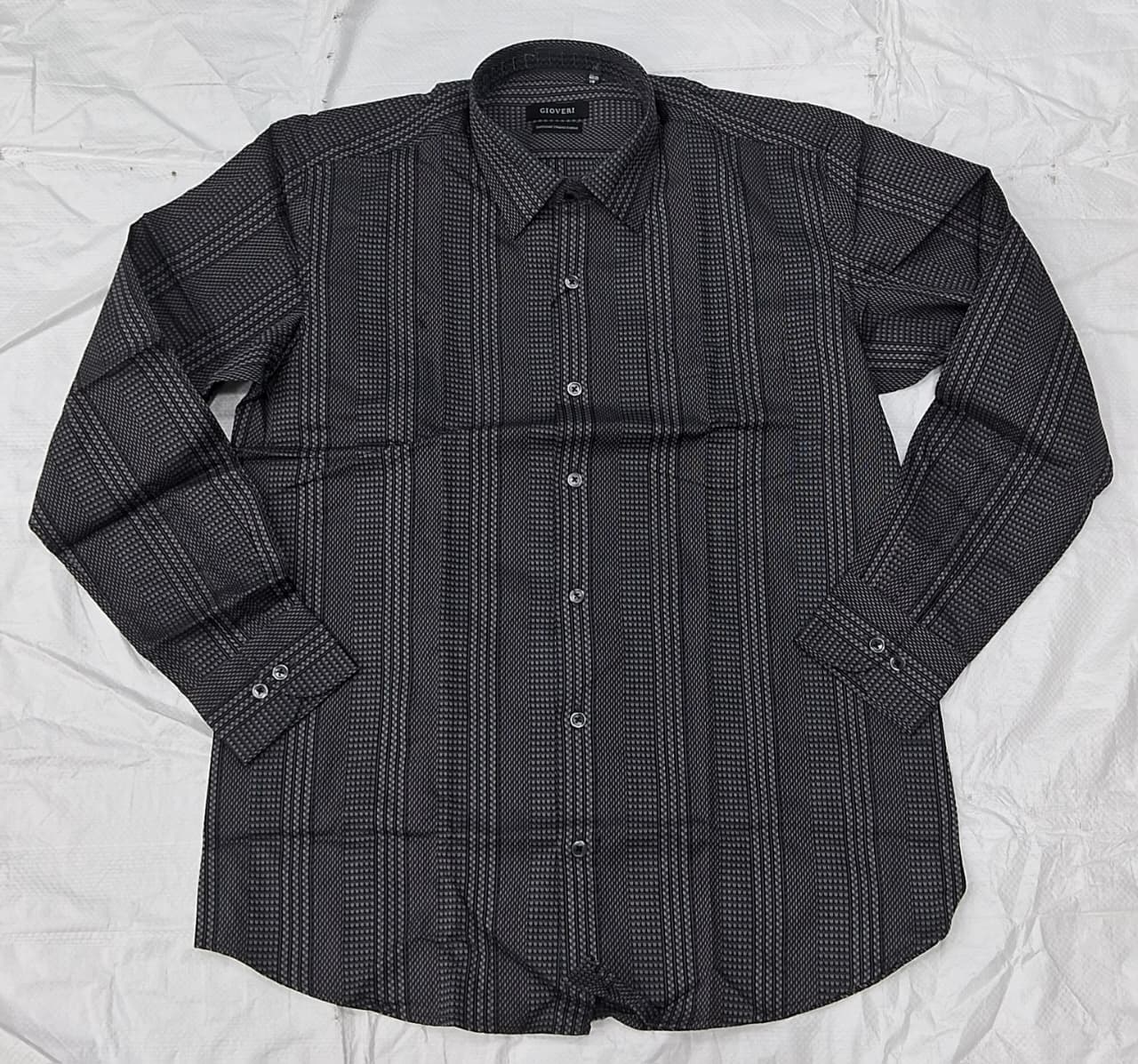
Charcoal shirt with a fine stripe

A tight plain weave with fine warp yarns and slightly heavier weft. Smooth, flat and lightly lustrous — crisp under a jacket and easy to press.

StructurePlain weave SurfaceSmooth BreathabilityGood FormalityHigh Typical useSuits, meetings, presentations

F/03

Oxford

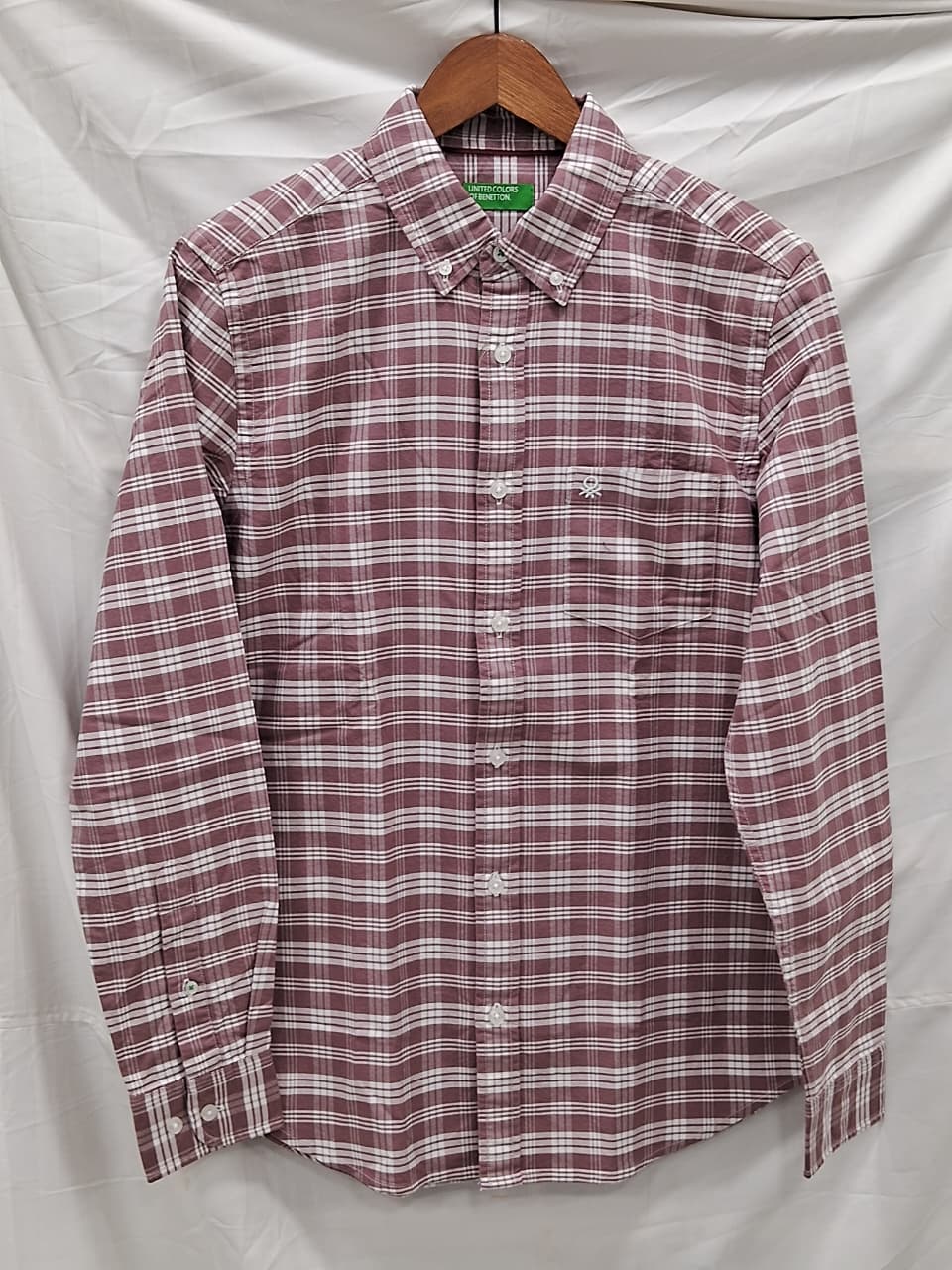
Pink and white check shirt on a hanger

A basket weave in which paired yarns cross, creating a visible, slightly nubby texture. Durable and relaxed, Oxford is the natural partner of the button-down collar.

StructureBasket weave SurfaceTextured BreathabilityGood FormalityMedium Typical useSmart casual, travel

F/04

Twill

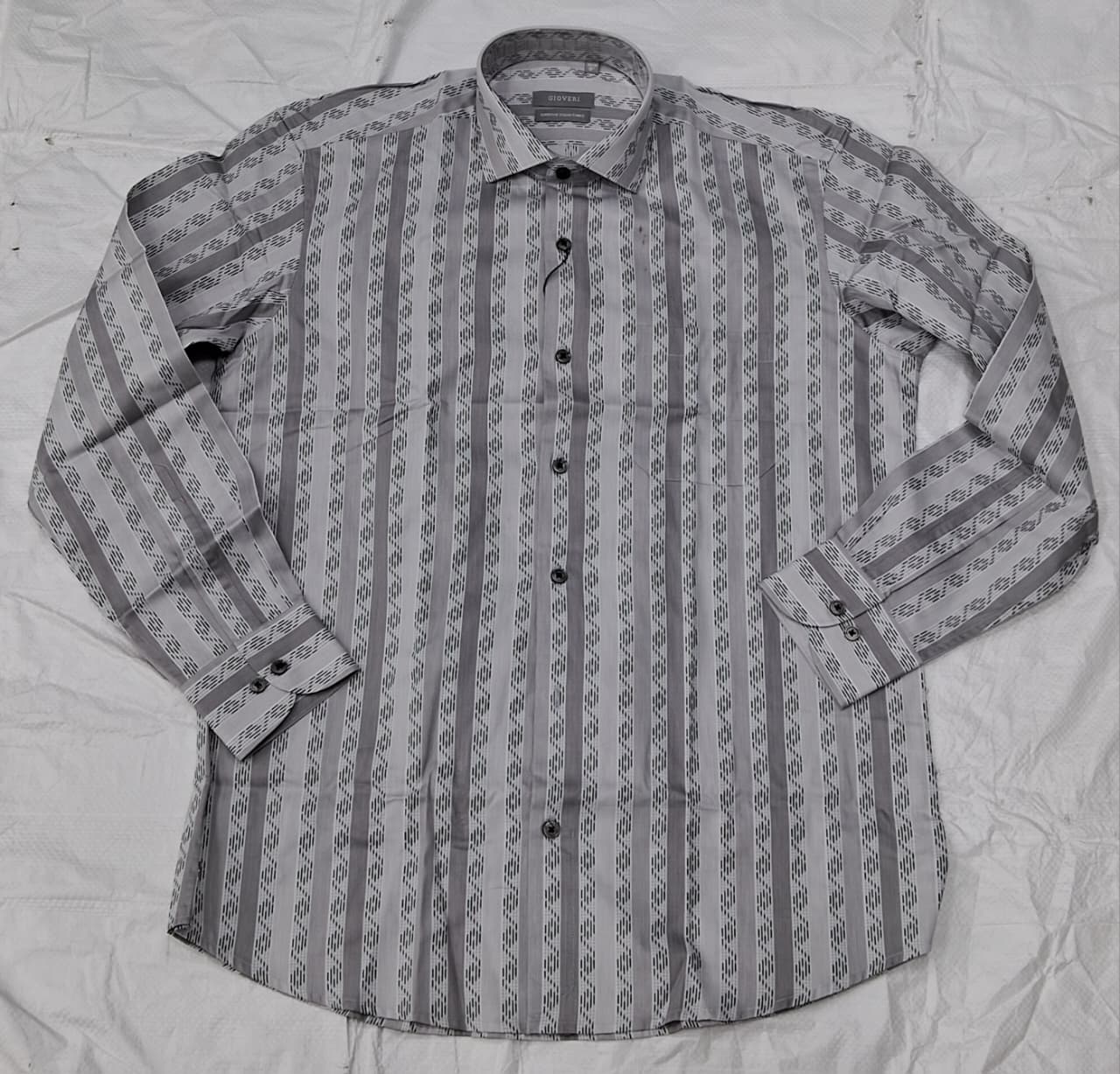
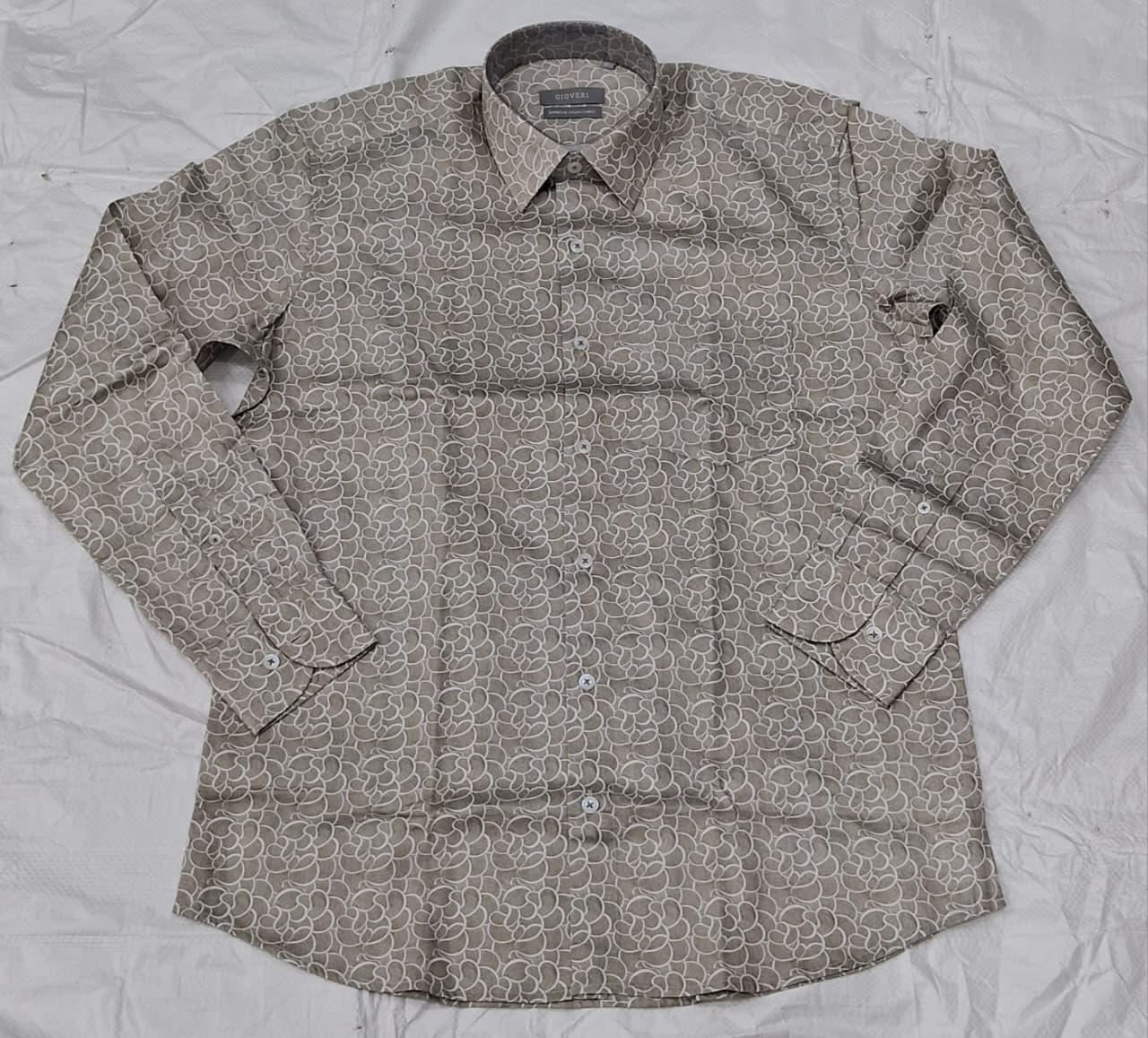
Grey patterned shirt

Woven so that yarns step across in a fine diagonal rib. Twill drapes softly, has a subtle sheen and generally resists creasing better than plain weaves.

StructureDiagonal weave SurfaceSoft, substantial BreathabilityMedium FormalityMedium–high Typical useLong days, cooler offices

F/05

Pinpoint

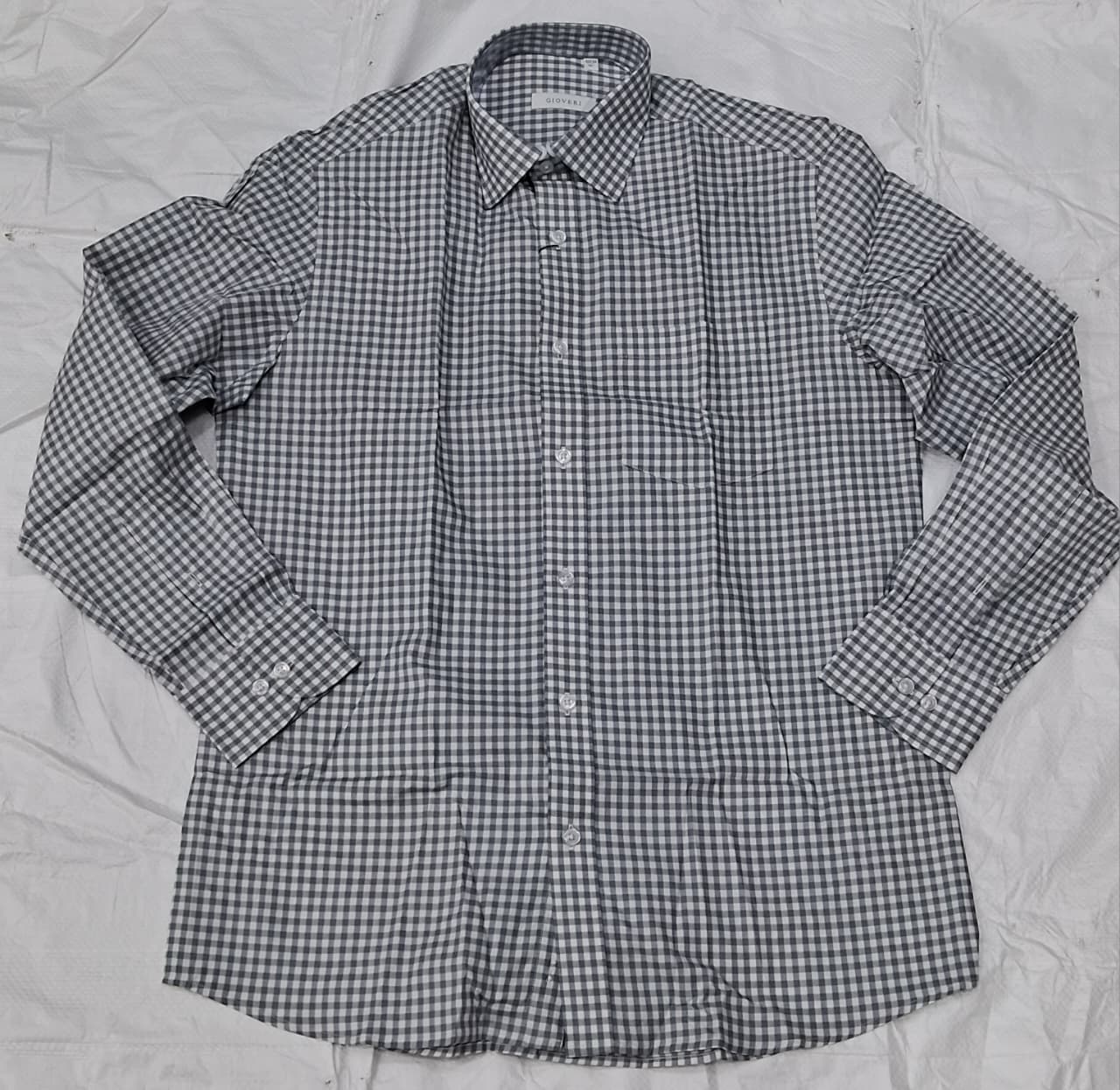
Grey gingham shirt

A finer, tighter variation of the Oxford weave. Smoother and more formal than Oxford, with a light texture that is less shiny than poplin.

StructureFine basket weave SurfaceFine BreathabilityGood FormalityMedium–high Typical useDaily business wear
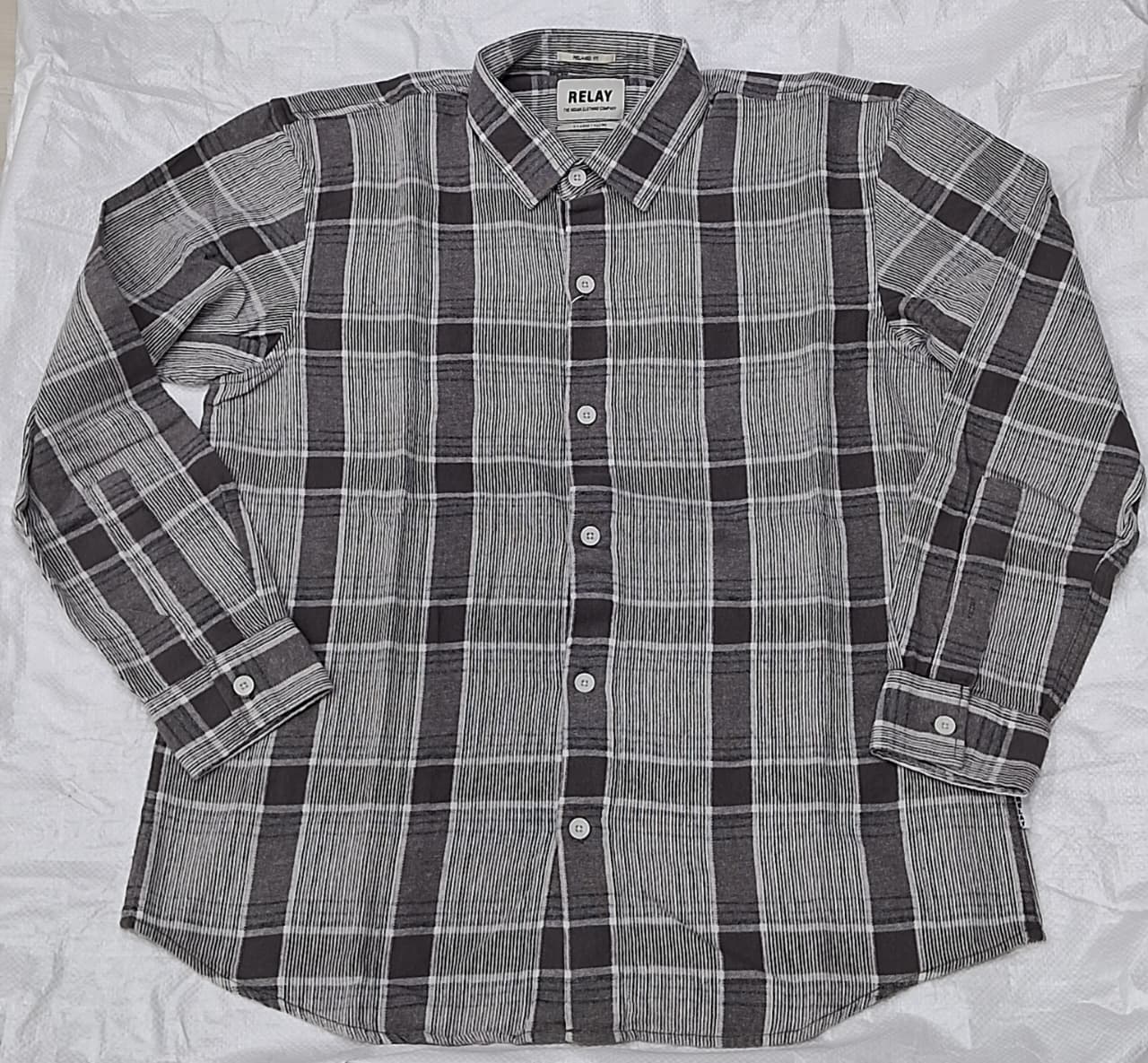
Grey check shirt with a textured surface

Property 01

Fabric texture

Texture is created by the yarn and the weave. Smooth fabrics reflect light and look formal; textured fabrics — dobbies, slubs, basket weaves — scatter light, hide creases and feel more relaxed. Texture is how a solid-coloured shirt gains depth without pattern.

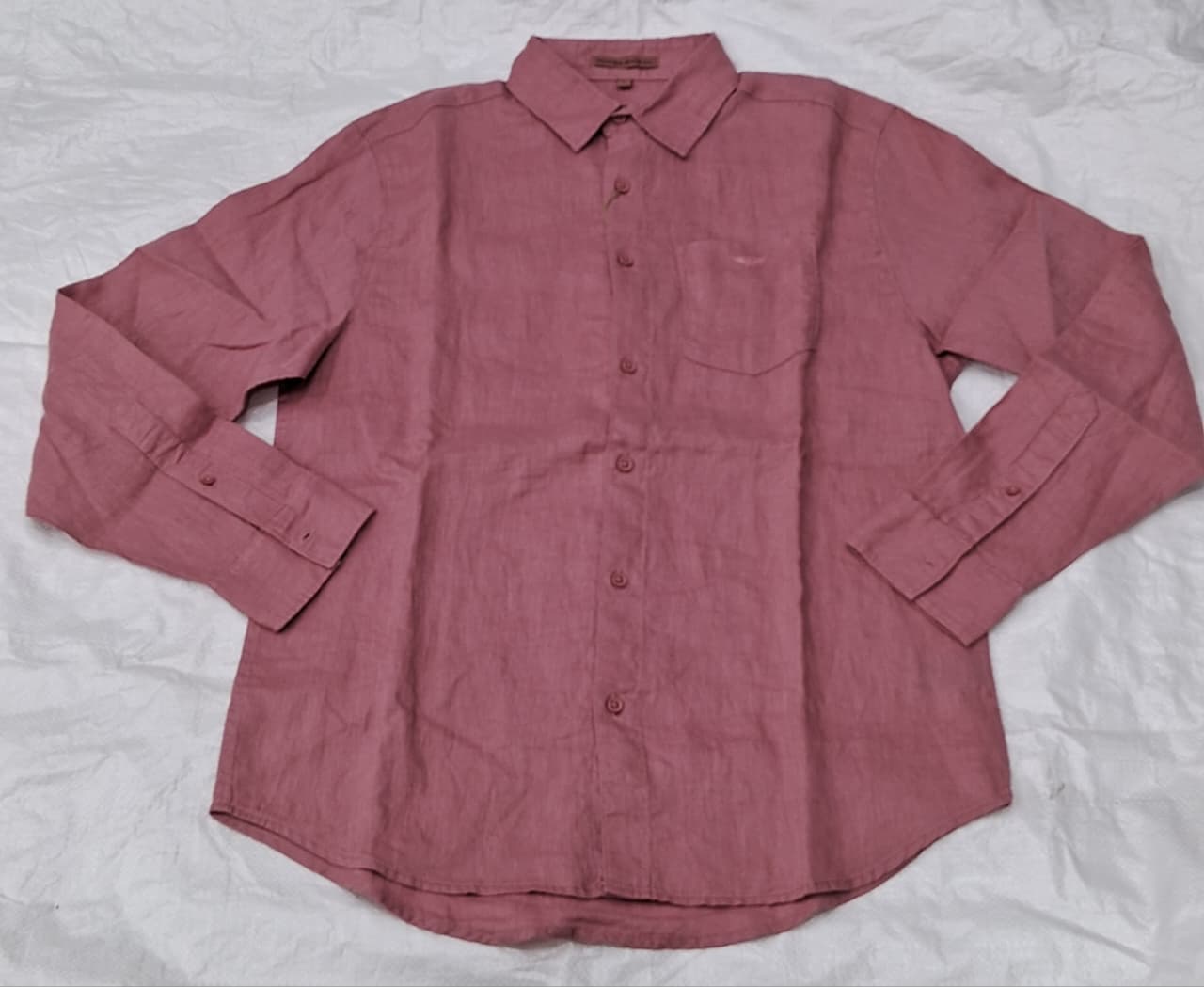
Pink shirt with a soft, open texture

Property 02

Breathability

Breathability depends on fibre and weave openness. Natural fibres such as cotton and linen absorb moisture, and looser weaves let air move through. In Mumbai and Navi Mumbai's heat and monsoon humidity, breathable shirts stay fresher through commutes and long meetings.

03

Garment
construction

Construction is the hidden half of a shirt. These are the parts and processes that decide how it hangs, how it moves and how long it lasts.

A B C D E F G H
Fig. 03Front view — construction points
  1. A

    Collar

    Two layers with an interlining that gives structure. A good collar keeps its shape after washing and sits evenly on both sides.

  2. B

    Collar band

    The strip that joins collar to body and sets how the collar sits on the neck; it determines comfort when buttoned.

  3. C

    Yoke

    The panel across the shoulders. A well-set yoke helps the shirt follow the shoulder line and move with the arms.

  4. D

    Placket

    The front opening that carries buttons and buttonholes. It should lie flat and straight from collar to hem.

  5. E

    Side seams

    Join front and back. Neat, flat seams prevent twisting and keep the shirt comfortable against the body.

  6. F

    Sleeve placket

    The small opening above the cuff that lets the sleeve open wide enough to roll or pass over the hand.

  7. G

    Cuff

    Interlined like the collar to hold its shape; it should close snugly at the wrist.

  8. H

    Hem

    A curved shirt-tail hem helps a shirt stay tucked; a straighter hem suits shirts designed to be worn out.

Grey patterned shirt showing seams and yoke

P/01

Construction

How panels are cut and joined. Precise cutting keeps stripes and checks aligned across the placket, pockets and yoke, and balanced construction lets a shirt hang straight rather than twisting at the side seams.

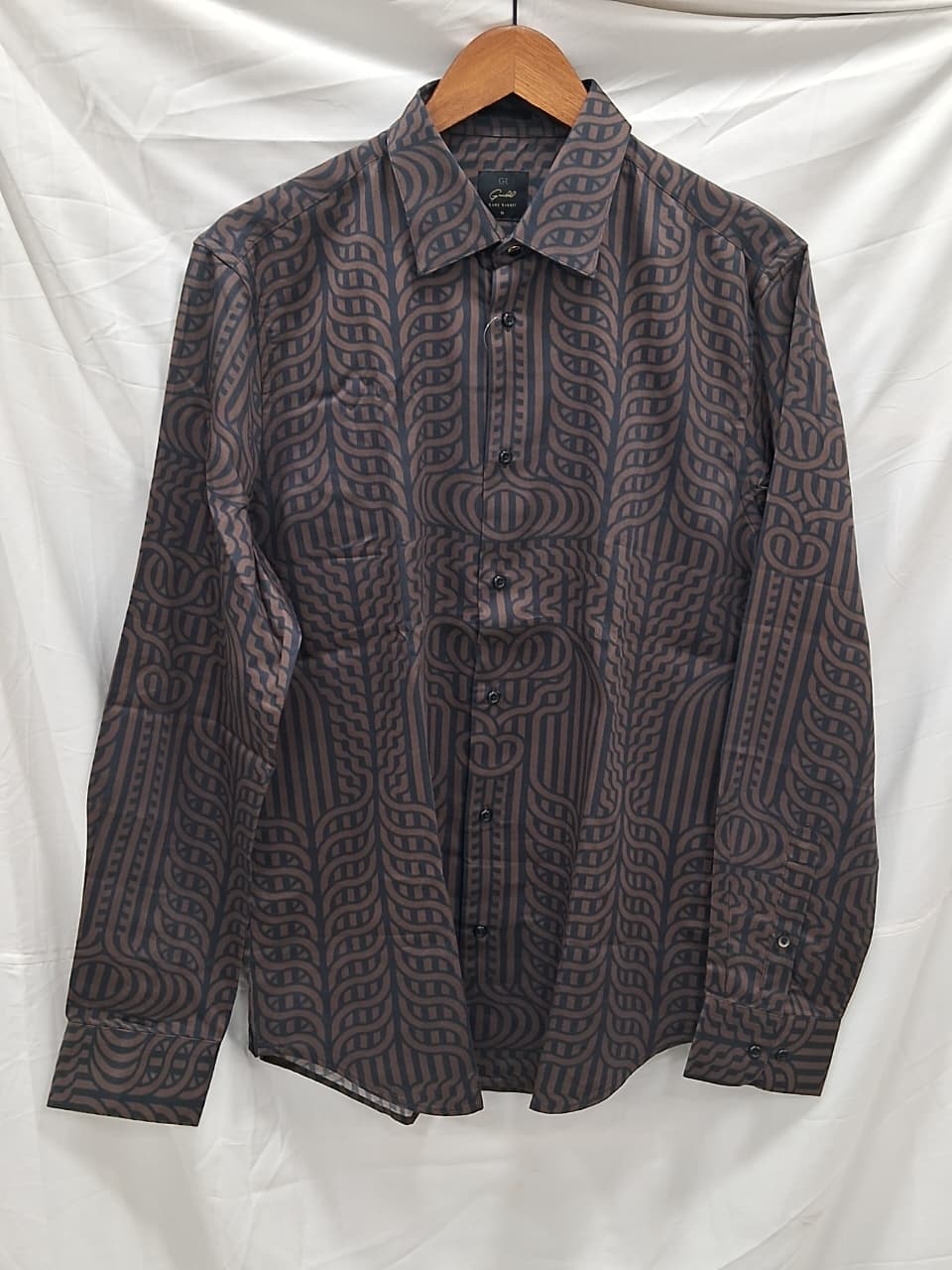
Dark patterned shirt on a hanger

P/02

Stitching

Short, even stitches produce flatter, stronger seams that pucker less after washing. Look at the collar edge, the shoulder and the side seams: consistent stitching there is a reliable sign of care.

Brick red shirt with flap pockets

P/03

Finishing

After weaving, fabrics may be washed, softened or treated for easier care. Finishing also covers buttons, buttonholes and pressing — the final details that decide how polished a shirt looks when you first put it on.