The Complete Guide to Men's Office Shirts
Everything that matters about the most-worn garment in a working wardrobe — in one place.
The office shirt began life as underwear. For much of the nineteenth century only its collar and cuffs were meant to be seen, and these were often detachable, starched and changed daily. When the attached collar became standard in the early twentieth century, the shirt itself became a visible, considered garment — and it has stayed at the centre of professional dress ever since.
What makes a shirt an office shirt
An office shirt is defined less by any single feature than by restraint: a structured collar that holds its shape, a clean front placket, full sleeves finished with a proper cuff, and a cloth smooth or fine enough to sit under tailoring. Colours tend toward white, blue and quiet neutrals; patterns toward fine stripes and small checks.
The four decisions
- Fit — slim, tailored or regular. Fit matters more than anything else; see our fit notes.
- Fabric — poplin for crispness, Oxford for texture, twill for drape, pinpoint for refinement.
- Collar — spread, point or button-down, chosen for your face and whether you wear a tie.
- Colour and pattern — chosen for the room you are dressing for.
How many you need
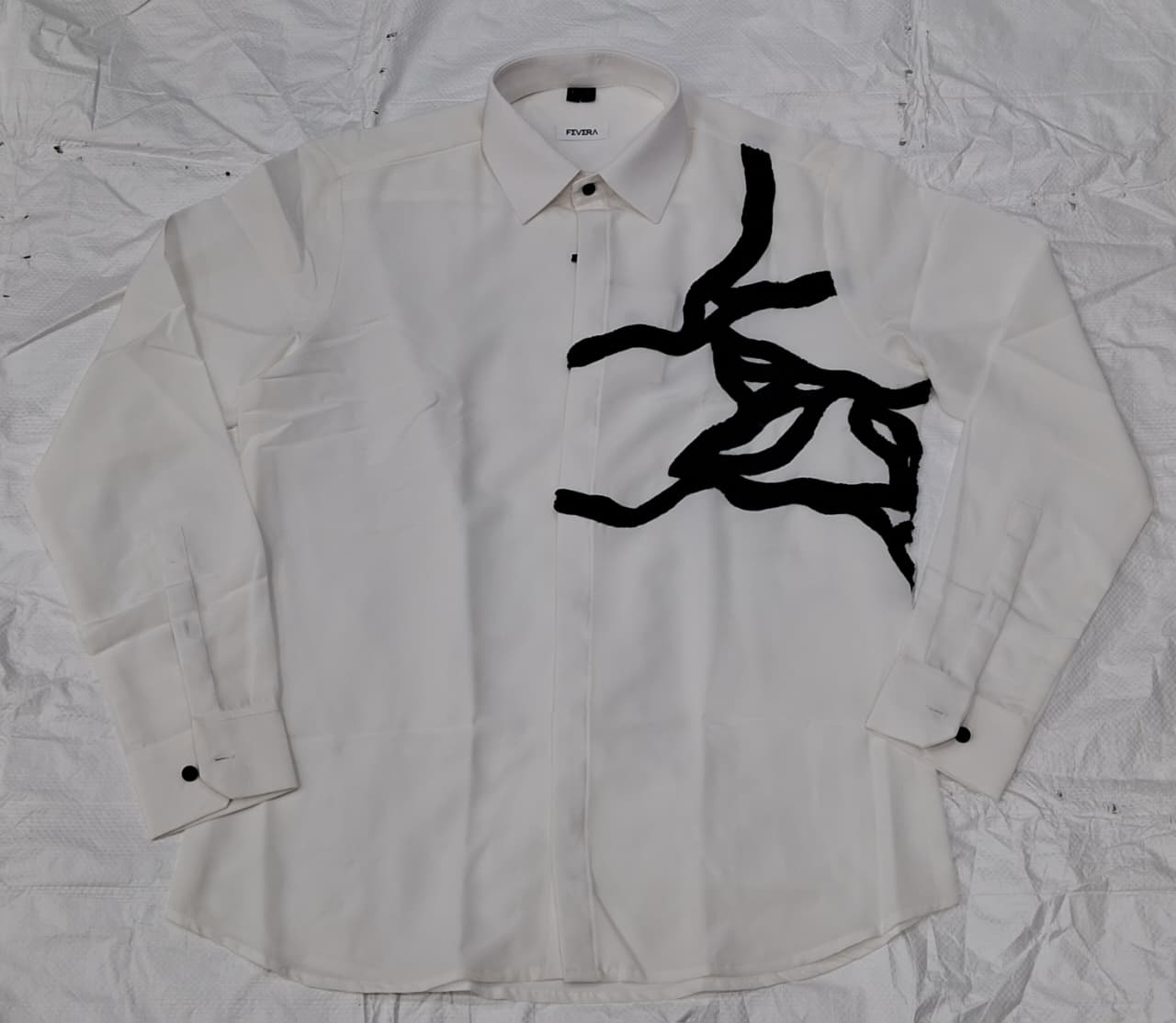
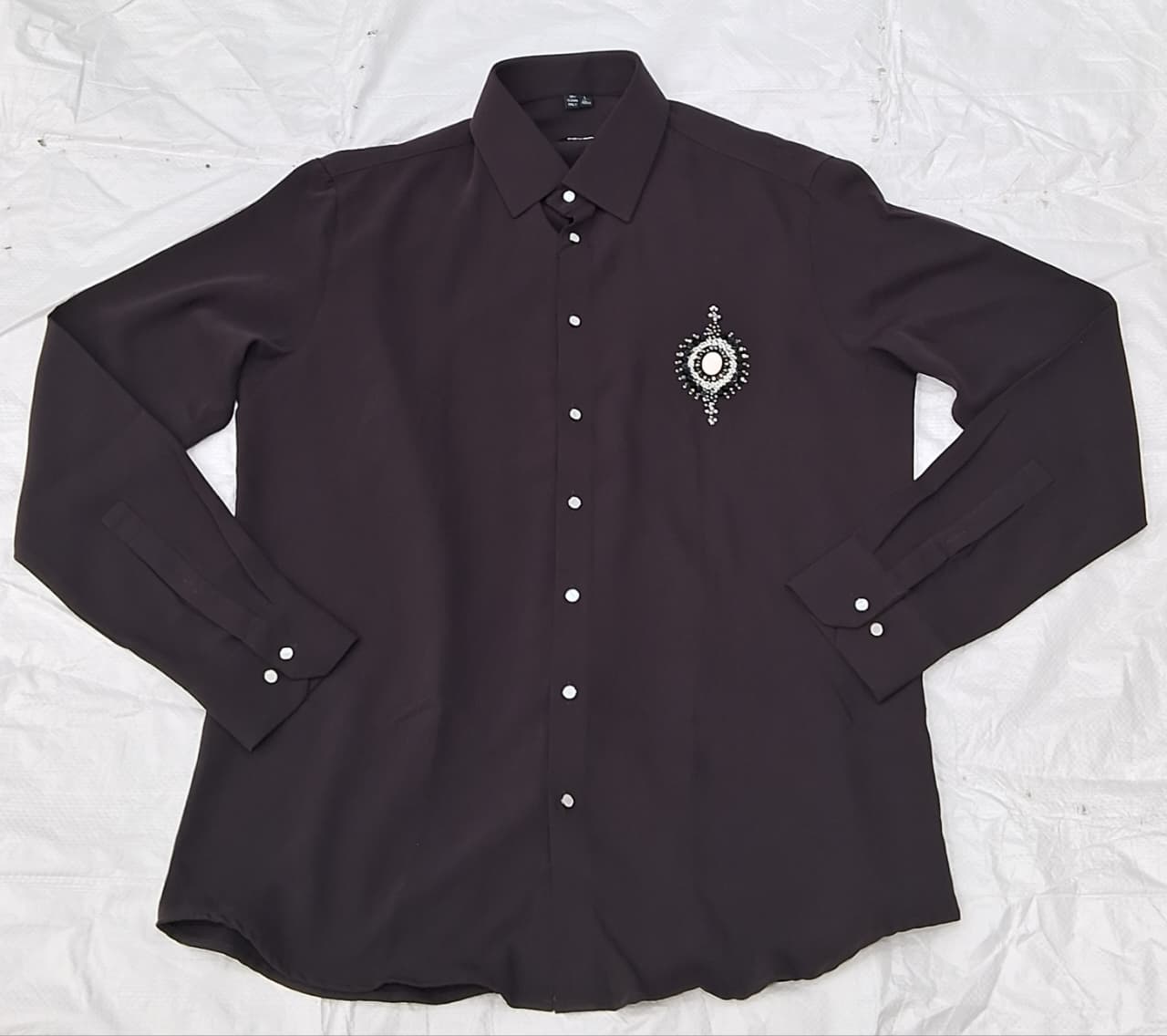
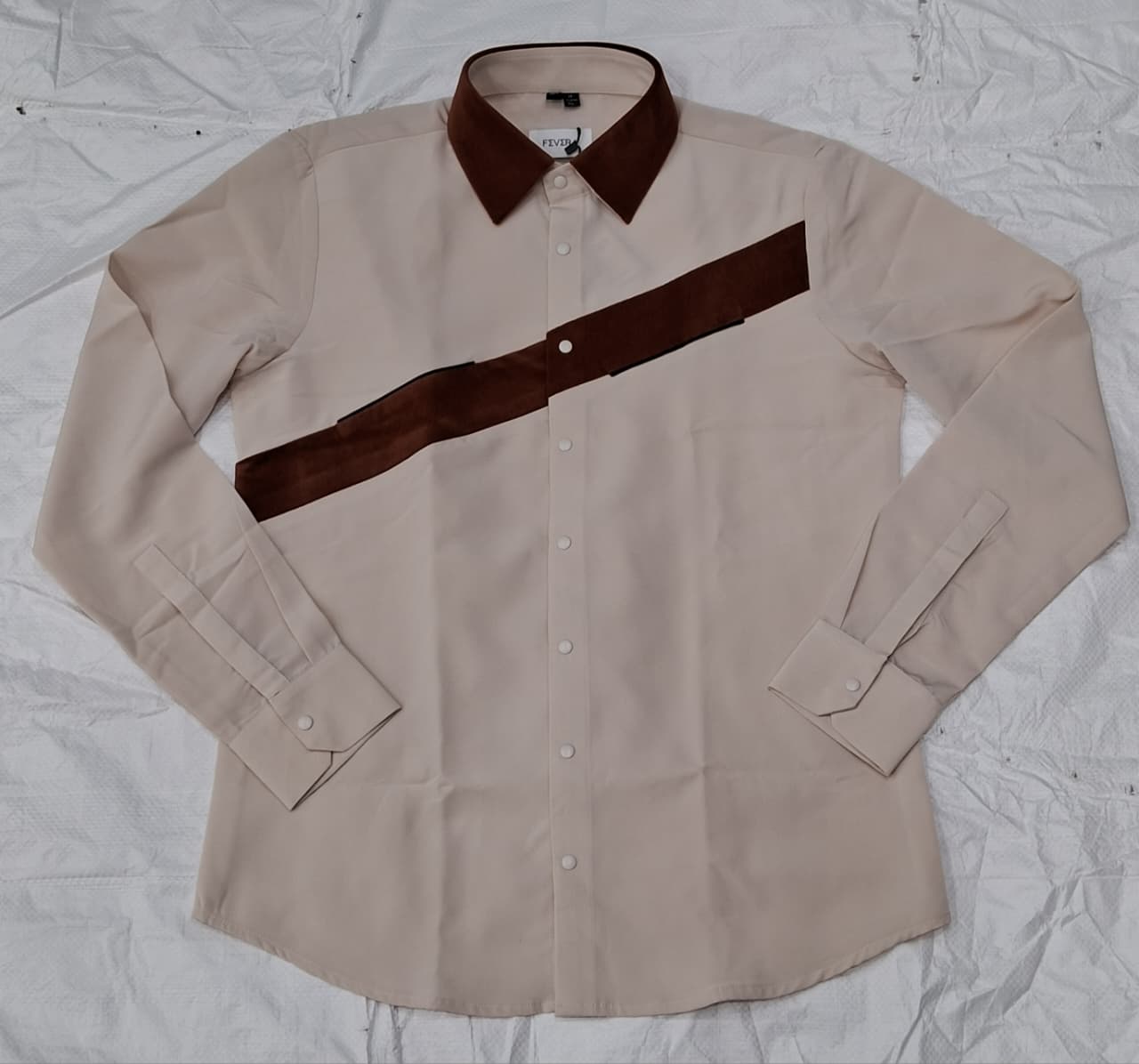
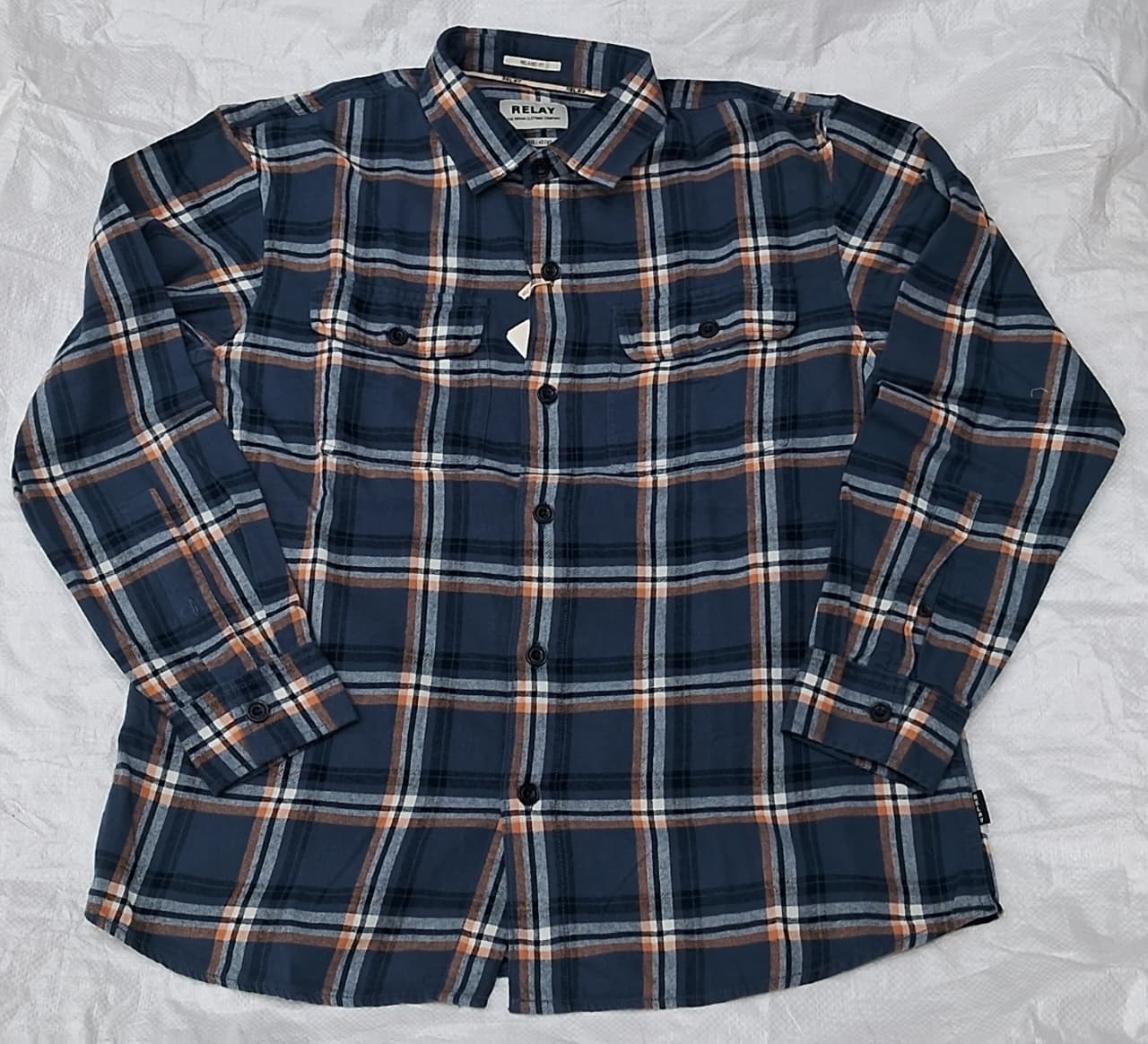
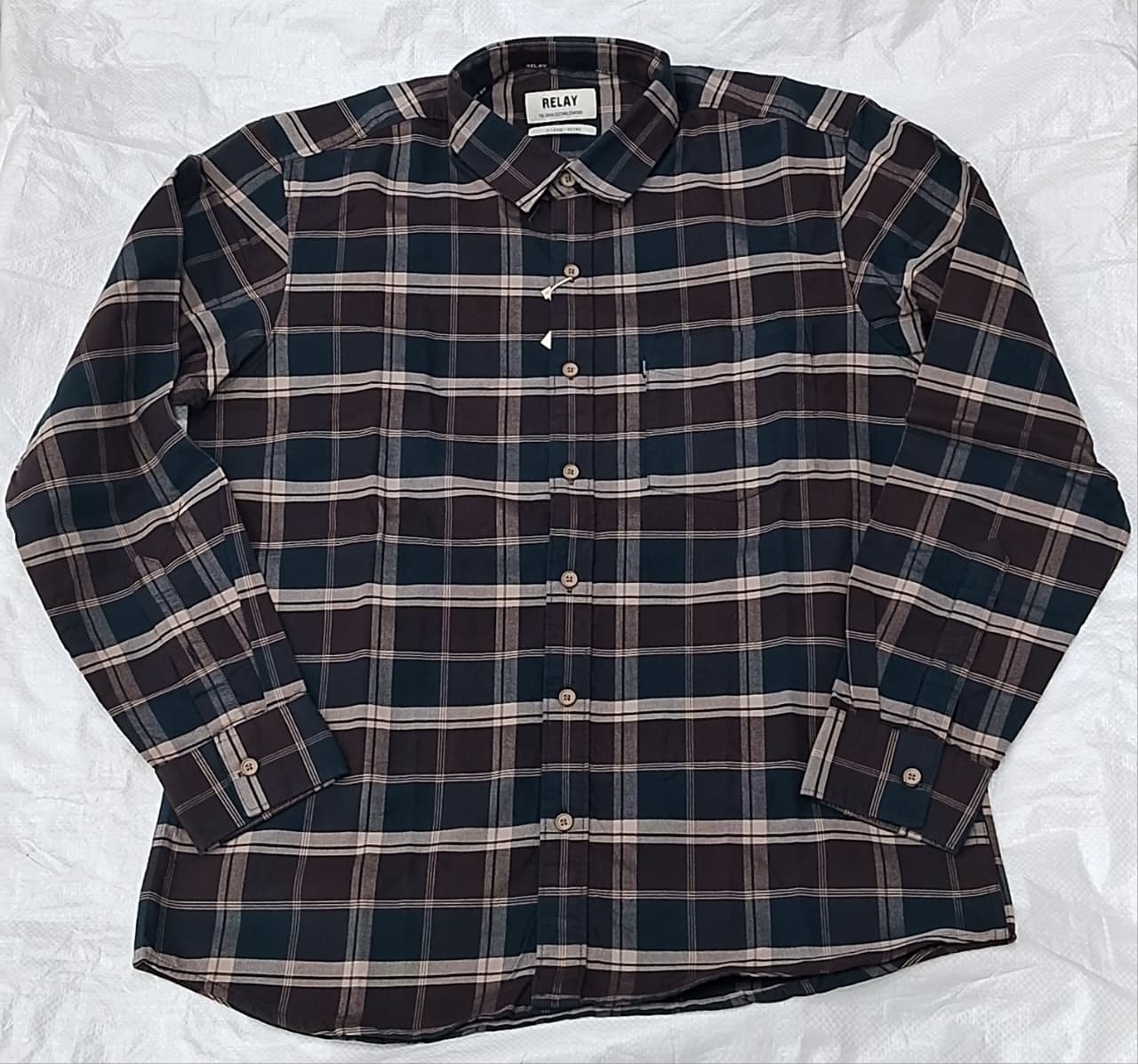
Seven shirts cover a working week with time for laundry: two white, two light blue, one fine stripe, one subtle check and one soft colour. Add executive or contemporary pieces as your role and workplace demand.
Caring for them
Unbutton fully before washing, wash similar colours together, hang to dry and iron collars and cuffs first. A well-cared-for shirt keeps its shape far longer than an expensive one treated badly.
Continue with the office collections or the shirt styles guide.